
| Canterbury Scene | Crossover Prog | Eclectic Prog | Extreme Prog Metal | Folk Rock | Heavy Prog | Jazz-Rock Fusion | Krautrock | Neo Prog | NON PROG | Northern Prog | Post Metal | Post Rock | Prog Related | Progressive Electronic | Progressive Metal | Psychedelic Rock | Rock Progressivo Italiano | Space Rock | Symphonic Rock | Zeuhl |
Progressive Rock World
Post-Metal: a mix of doom metal, sludge metal and post-rock
Post-metal, a subgenre of heavy metal, is a mix of doom metal, sludge metal and post-rock. Born between the ’90s and the early 2000s, it’s known for long braids, dark atmospheres, and the alternation between quiet moments and powerful walls of sound.
The history of post-metal begins in the late ’80s as an experimental evolution of extreme metal, then establishing itself as a true genre in the early 2000s.
Even before the term “post-metal” was coined, some bands began mixing the heaviness of metal with repetitive, industrial rhythms.
Godflesh: In 1989, with the album “Streetcleaner”, they blend suffocating guitar riffs with industrial drum machines, creating an entirely new kind of heaviness.
Melvins: By slowing down heavy rock, they lay the groundwork for sludge metal, which will become crucial to the future post-metal sound.
Tool: They introduce expanded structures and a strong spiritual, conceptual component into alternative metal.
The true founding fathers of the genre are Neurosis from San Francisco. Starting out as a hardcore punk group, they slow down and layer the sound with keyboards and samples. The definitive turning point comes with the album “Through Silver in Blood” (1996), the milestone that defined the aesthetics and sonic dynamics of post-metal.
In the early 2000s, the genre finds its name and its highest artistic expression thanks to a new generation of bands.
Isis: The Boston band releases “Oceanic” (2002) and “Panopticon” (2004). Isis combine the violence of Neurosis with the dreamy, ethereal melodies of post-rock, defining the modern standard of the genre.
Cult of Luna: From Sweden, they expand the genre with orchestral dynamics, keyboards, and an epic, cinematic emotional component.
Pelican, a fully instrumental post-metal band, chose to do without vocals, focusing instead on the interweaving of guitars. Over the years, the genre has opened up to outside influences, leaving an indelible mark on the contemporary extreme-music scene, especially on the post-black metal movement.
Post-metal stands out for a musical approach that favors subtraction and expanded timing, moving away from the technical emphasis typical of classic metal to focus on emotional and hypnotic impact.
As for structure and composition, post-metal tracks abandon the classic “verse-chorus” form in favor of a development reminiscent of classical symphonies, divided into movements or separate sections. Minimalism and repetition are key elements: guitar riffs are repeated obsessively to induce a trance-like state or strong tension in the listener. Also, the typical composition starts from a single instrument or a clean sound, building up layers until it culminates in a cinematic crescendo.
Volume control, or dynamics, is essential in post-metal. The genre is built on the stark contrast between calm and noise, alternating atmospheric arpeggios with sudden walls of distorted sound. Silence and pauses are just as important as heavily played parts, because they create the anticipation of the climax.
From a sonic and instrumental standpoint, guitars are tuned very low to get a muddy, heavy, telluric sound, inherited from doom and sludge. The rhythm section, made up of bass and drums, favors slow, heavy, reverberant hits rather than the speed typical of thrash or death metal. When present, the voice takes on the role of an instrument, with a visceral scream (screaming or growl) placed in the background of the mix, almost serving as another atmospheric element. Finally, the use of synthesizers, keyboards, samples, and background noises is common to fill spaces and amplify the sense of alienation.
The bands I follow most closely are the Fathers of the genre, Neurosis and Tool. Even though Tool don’t strictly fall under post-metal, they’re considered among the precursors and greatest inspirations of the genre. Without Tool—especially albums like Ænima from 1996 and Lateralus from 2001—post-metal as we know it today wouldn’t exist.
Articles in publication order

Welcome to Progressive Rock World!
FrancescoProg
12-11-2026 06:06
12-11-2026 06:06

Alphataurus by Alphataurus
FrancescoProg
16-11-2026 08:00
16-11-2026 08:00

Not Only Prog: Jefferson Airplane’s "Surrealistic Pillow"
FrancescoProg
15-11-2026 08:00
15-11-2026 08:00

Not Only Prog: Blade Runner by Vangelis
FrancescoProg
14-11-2026 08:00
14-11-2026 08:00
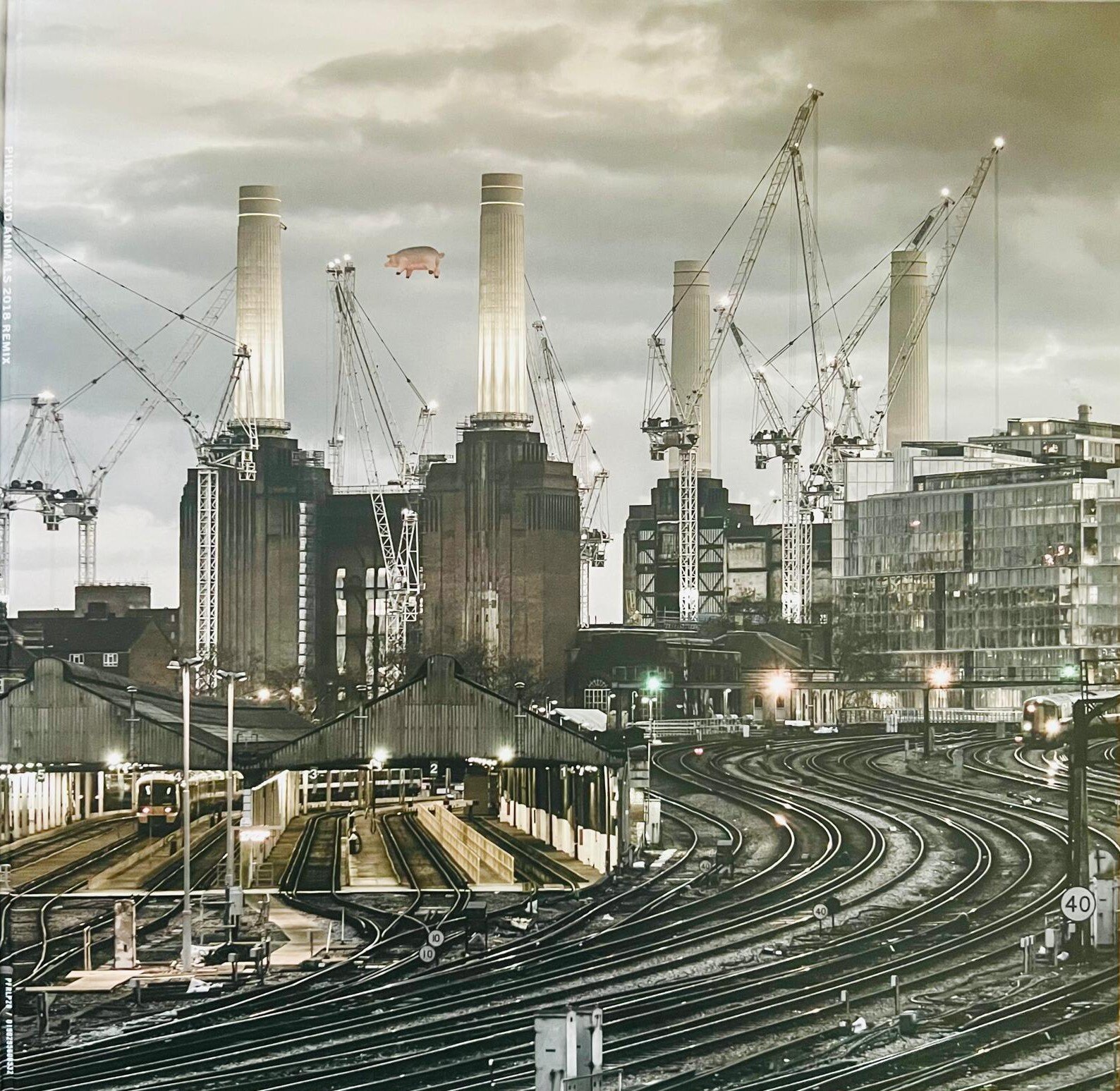
Animals by Pink Floyd
FrancescoProg
13-11-2026 08:00
13-11-2026 08:00

Supernova by Jakob Manz
FrancescoProg
12-11-2026 05:39
12-11-2026 05:39

Fossils by Giorgio Bussolin
FrancescoProg
11-11-2026 08:00
11-11-2026 08:00

El Último Cortejo by BUBU
FrancescoProg
10-11-2026 08:00
10-11-2026 08:00

The One Bone by L.B. Lacertae
FrancescoProg
09-11-2026 08:00
09-11-2026 08:00

Not Only Prog: Led Zeppelin self-titled album
FrancescoProg
08-11-2026 08:00
08-11-2026 08:00

Not Only Prog: Pet Sounds by the Beach Boys
FrancescoProg
07-11-2026 08:00
07-11-2026 08:00
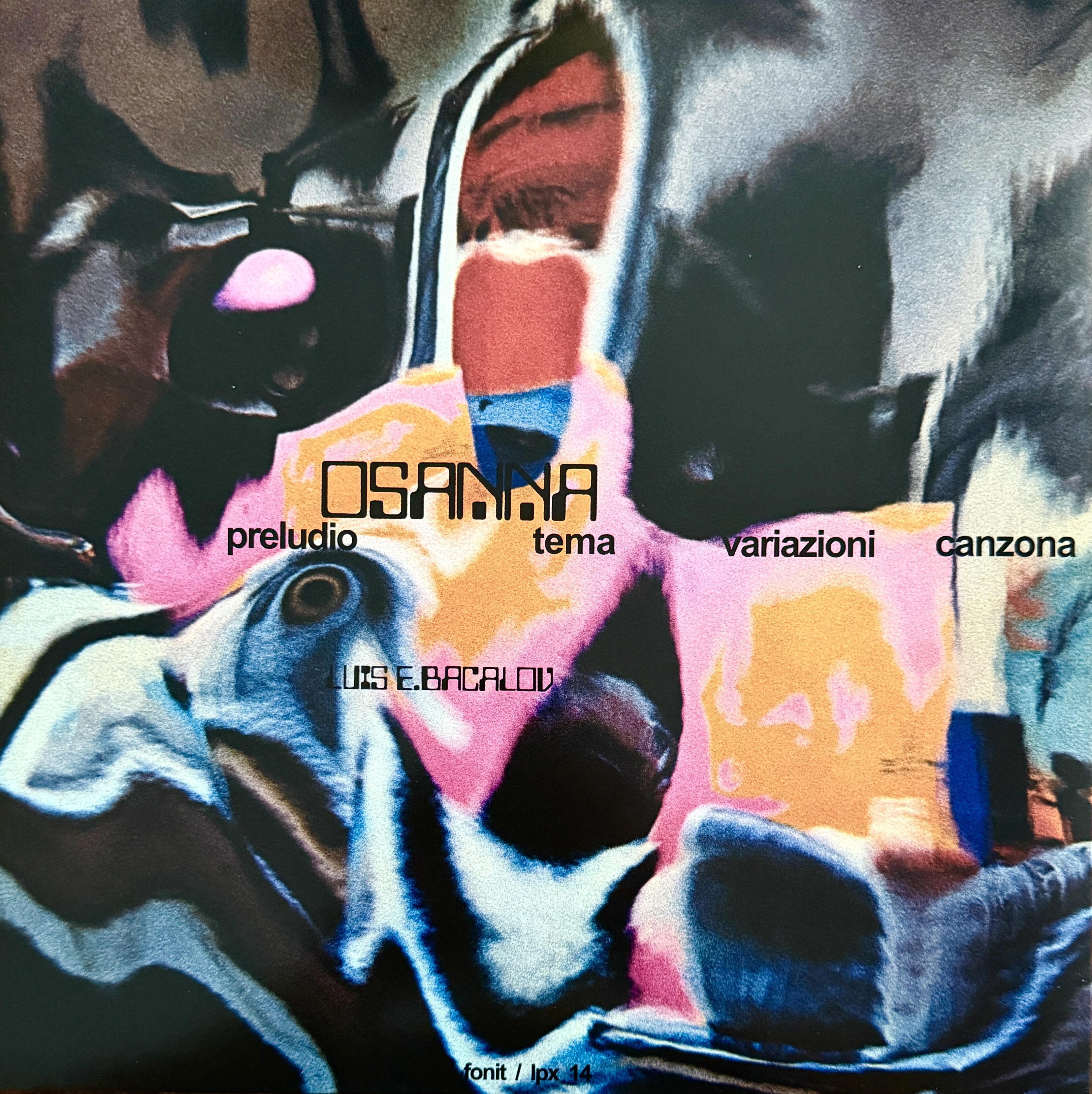
Preludio, tema, variazioni, canzona, by Osanna
FrancescoProg
06-11-2026 08:00
06-11-2026 08:00
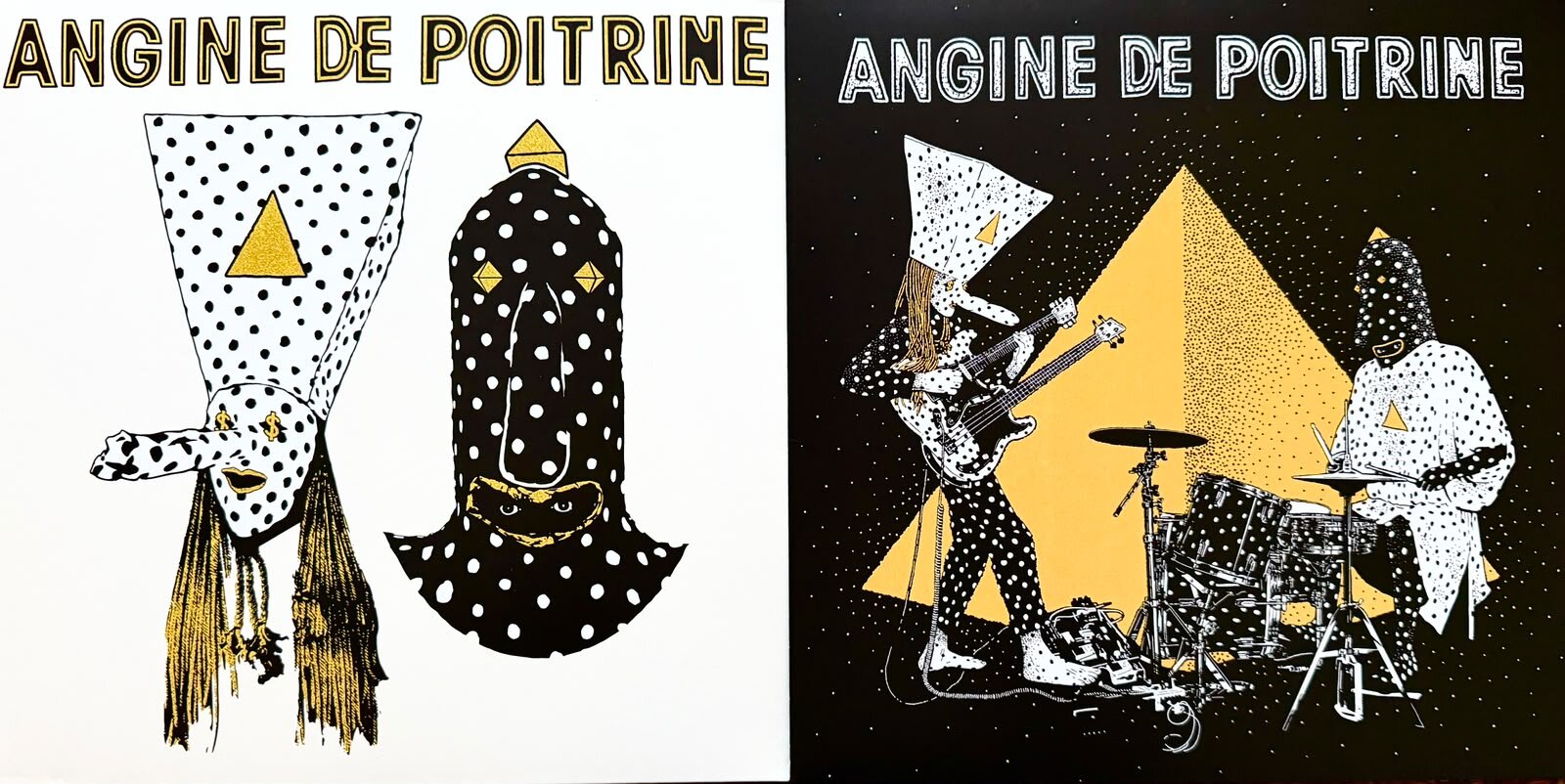
Vol.1 and Vol.2 by Angine de Poitrine
FrancescoProg
05-11-2026 06:53
05-11-2026 06:53
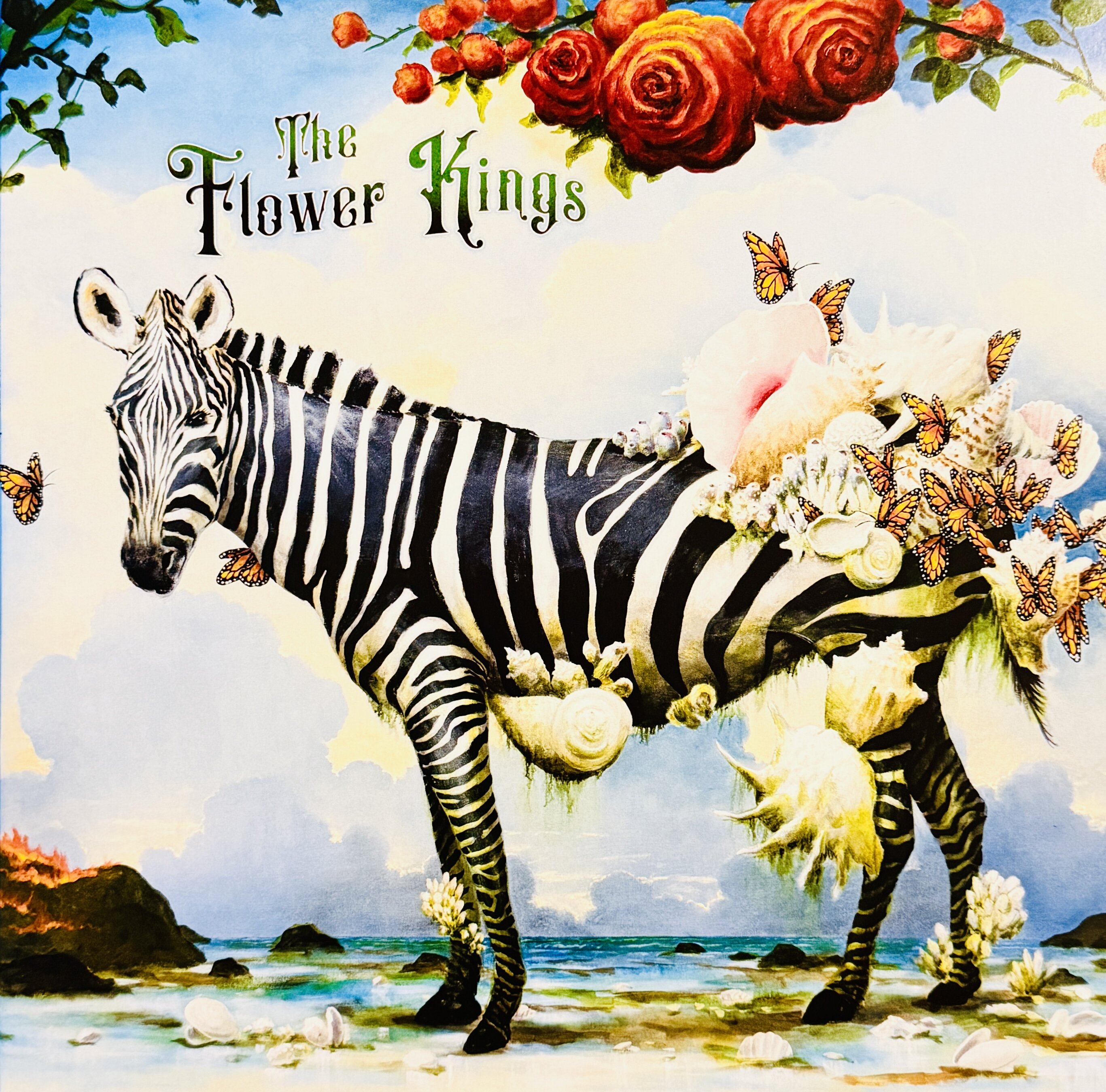
Hope by The Flower Kings
FrancescoProg
04-11-2026 08:00
04-11-2026 08:00
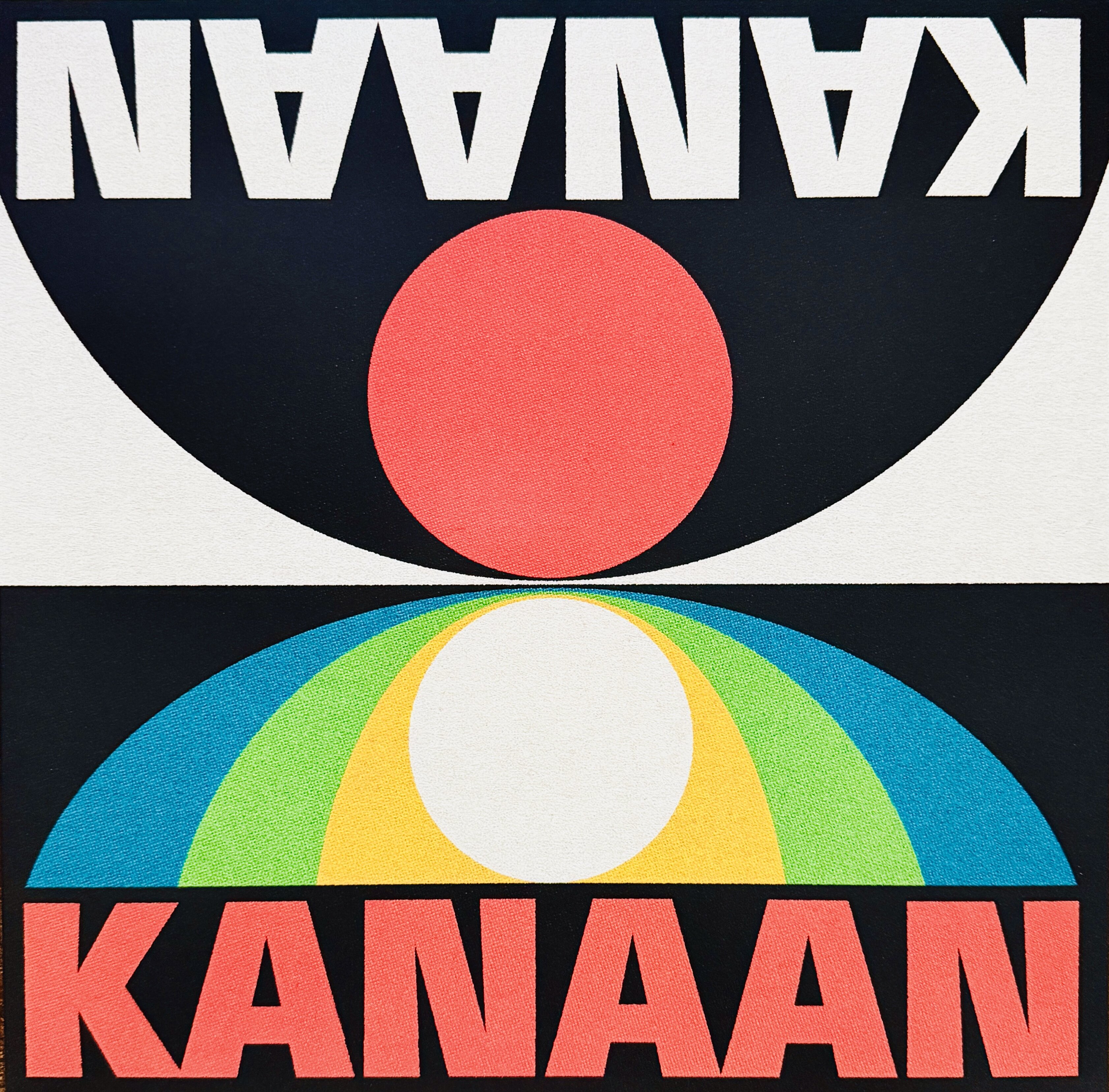
Kanaan self-titled album
FrancescoProg
03-11-2026 08:00
03-11-2026 08:00
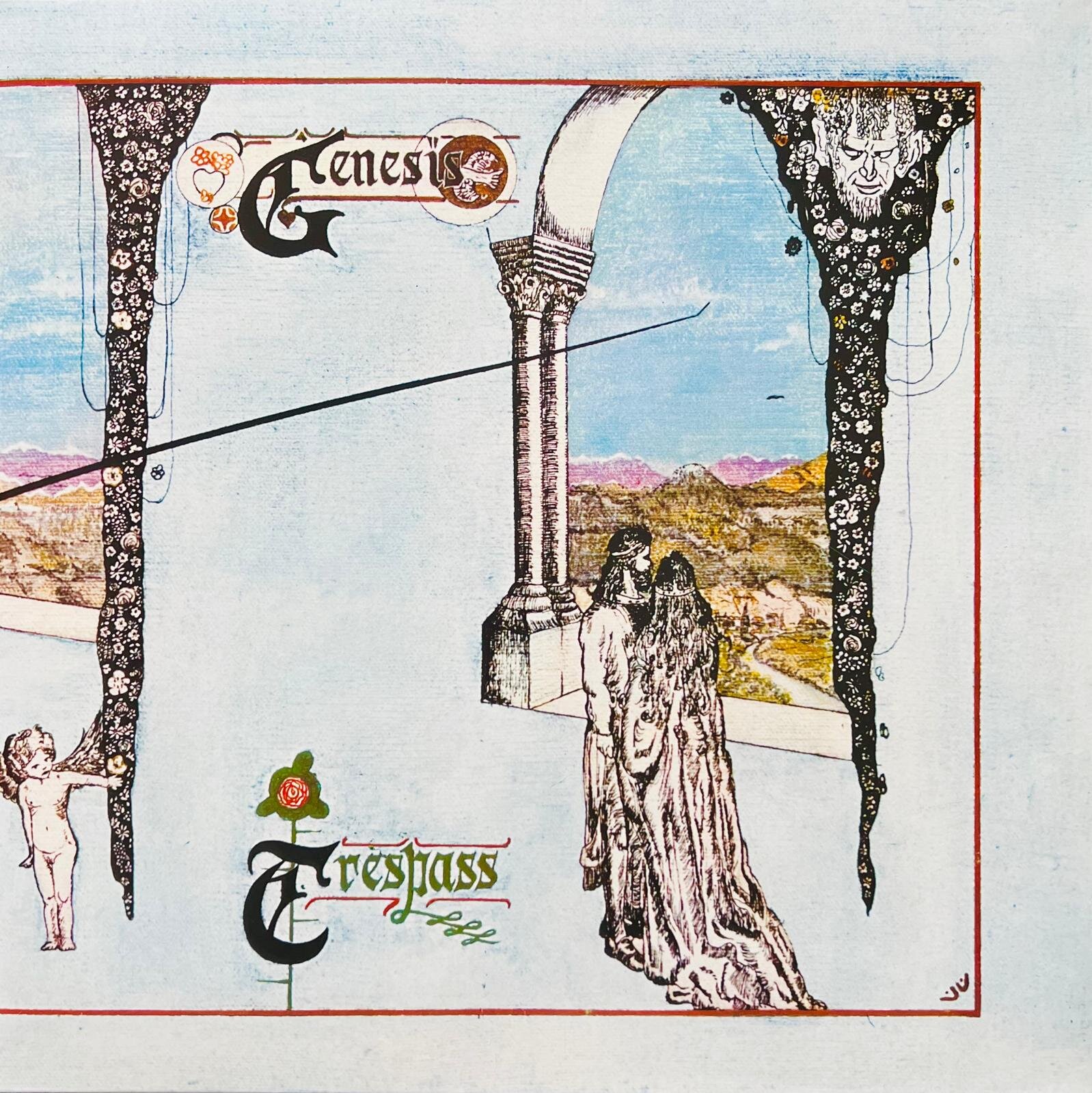
Trespass by Genesis
FrancescoProg
02-11-2026 08:00
02-11-2026 08:00

Not Only Prog: Blackfield self-titled album
FrancescoProg
01-11-2026 08:00
01-11-2026 08:00

Not Only Prog: Master of Reality by Black Sabbath
FrancescoProg
31-10-2026 08:00
31-10-2026 08:00

Ash Ra Tempel by Ash Ra Tempel
FrancescoProg
30-10-2026 08:00
30-10-2026 08:00

Sacrament by White Willow
FrancescoProg
29-10-2026 08:00
29-10-2026 08:00