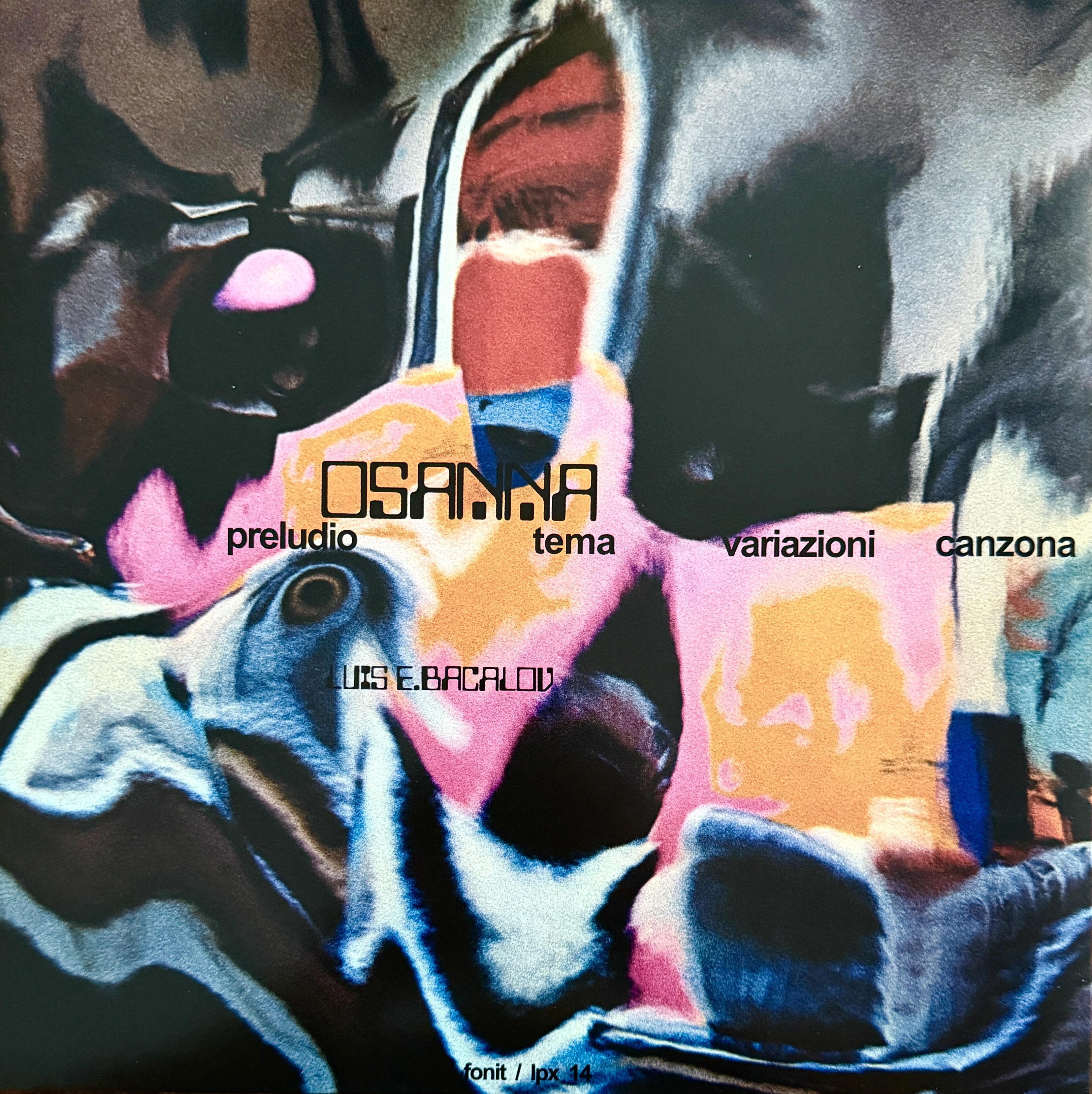
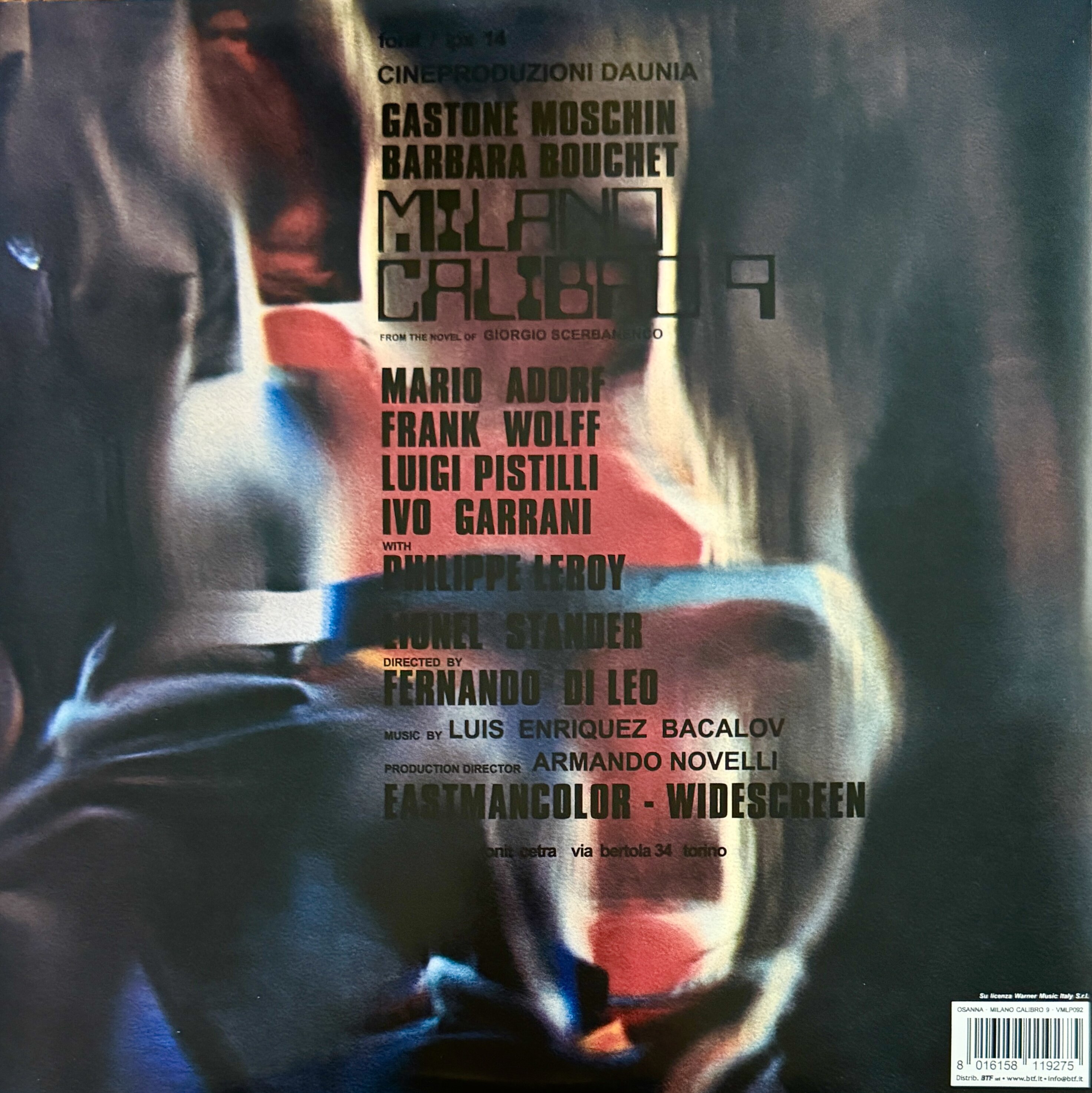
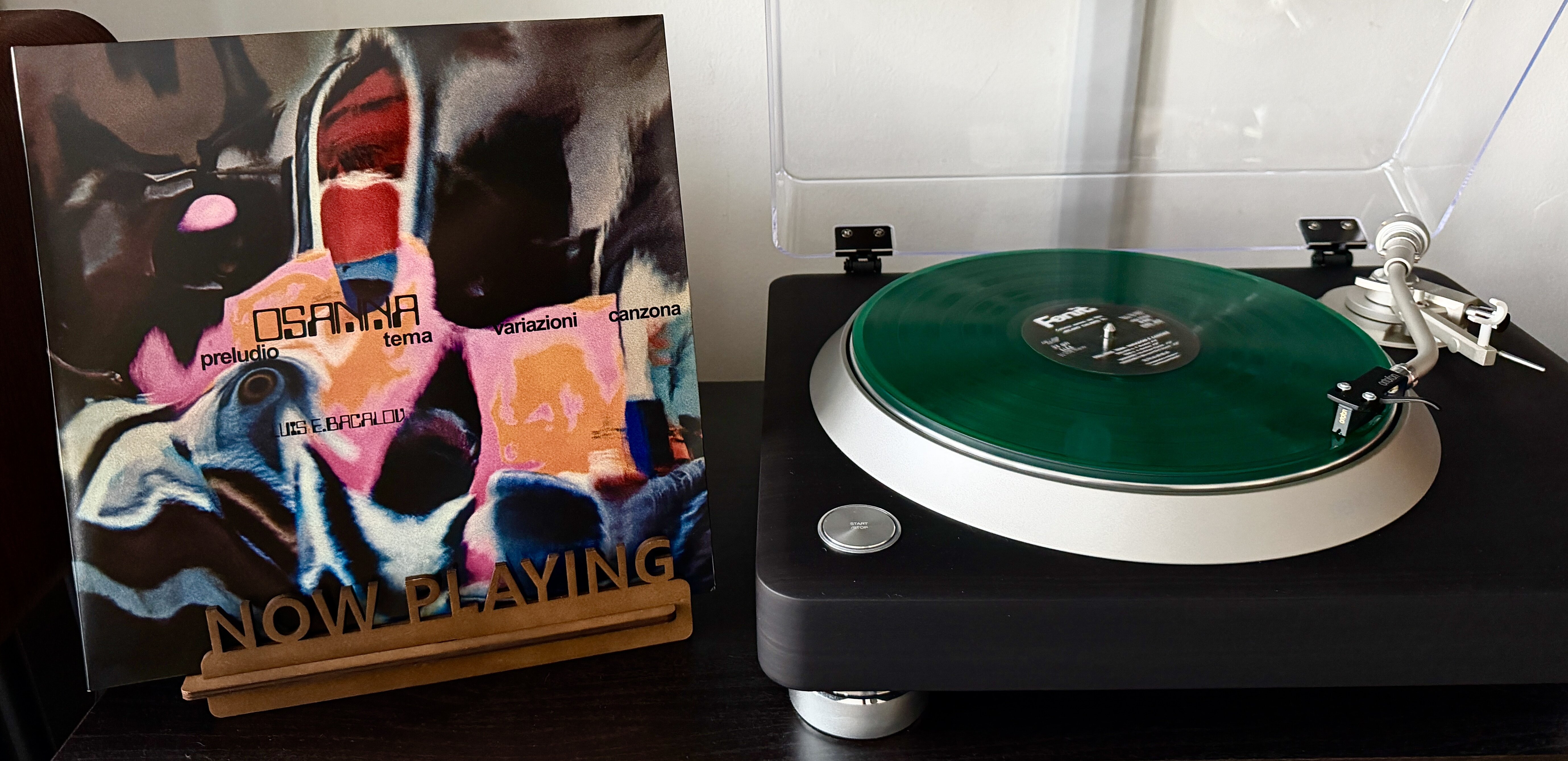
Preludio, tema, variazioni, canzona (Milano Calibro 9) by Osanna, 1972 album.
Listening to a record of such a level, you immediately sense, from the very first notes, the presence of a work of art. This is not due solely to Bacalov’s involvement, but also to the high compositional and performance quality that gradually emerges. The listener is immersed in an emotional experience that distinguishes only records belonging to the realm of beauty.
“Milano Calibro 9” is a true pillar of Italian progressive rock. Even if it’s better known by the title of the crime film directed by Fernando Di Leo, the album’s title is actually Preludio, tema, variazioni, canzona (Prelude, theme, variations, canzona).
The story of this album is tied to the success of another much-loved prog-symphonic soundtrack: “Concerto Grosso for the New Trolls” from 1971, composed by maestro Luis Bacalov. Struck by that work, Di Leo asked Bacalov to write the music for his noir film “Milano Calibro 9”, based on stories by Giorgio Scerbanenco.
Bacalov decided to try again to blend classical music and rock, but this time he chose Osanna, a Neapolitan band that had debuted the year before with the masterpiece “L’uomo”. Leading the record project was producer Sergio Bardotti.
The album was recorded by Osanna’s historic, classic lineup. Completing this extraordinary group were the orchestra and the direction of maestro Luis Bacalov.
The members of Osanna:
Lino Vairetti: Lead vocals, acoustic guitar, ARPI synthesizer and keyboards were in Lino’s expert hands.
Danilo Rustici: Danilo handled electric guitar, 12-string guitar and effects.
Elio D’Anna: Elio brought to life the transverse flute, soprano sax and tenor sax.
Lello Brandi: Lello kept the groove on electric bass.
Massimo Guarino: Massimo was the band’s percussive heart on drums and percussion.
Collaborators and Orchestra Direction:
Luis Enriquez Bacalov: Maestro Bacalov not only conducted the orchestra, but also handled the orchestral arrangements, playing piano and harpsichord.
Orchestra of the Unione Musicisti di Roma: Under Bacalov’s guidance, the orchestra performed the symphonic and string parts.
Sergio Bardotti: Sergio Bardotti was the record’s artistic producer.
This is a one-of-a-kind album, a mix of symphonic progressive rock and noir atmospheres that perfectly captures the essence of the film’s grey, ruthless Milan by Fernando Di Leo. Unlike other musical collaborations of the time, this record doesn’t look for a soft compromise between genres, but goes straight for the heart, alternating moments of classical poise with avant-garde bursts.
On one side, Luis Bacalov’s baroque and symphonic music, creating a melancholy, solemn mood, perfect for a crime film. On the other, Osanna’s visceral hard prog, with their sharp guitar riffs and frantic flute and sax solos, adding energy and tension. And then, to round it all out, an avant-garde experimentation that includes noise inserts, dissonances and a pioneering use of synthesizers, creating a constant, gripping contrast between the sweetness of the strings and the power of rock.
The record has a rigid, geometric structure, inspired by the classical tradition of variations on a main theme, and is almost entirely instrumental.
Side A:
1. Preludio (Composed by Bacalov): This track opens the album with an atmosphere of strong suspense, introducing the orchestra. It’s precisely this piece that accompanies the film’s famous opening credits.
2. Tema (Composed by Bacalov): Here we find the work’s main melodic motif, melancholy and compelling, led by the strings. A real gem.
3. Variazione I (Osanna): The band takes the reins and overturns the orchestral theme, speeding it up in a hard-rock key. An explosion of energy.
4. Variazione II (My Mind Flies) (Osanna): The only sung track on side A. It starts with rarefied, ethereal atmospheres, dominated by the flute, then bursts into powerful prog. A moving piece.
Side B:
5. Variazione III (Osanna): An energetic piece that highlights the rhythm section and the tight dialogues between guitar and horns. Fantastic.
6. Variazione IV (Osanna): A shorter, more experimental variation, playing with odd time signatures. Original.
7. Variazione V (Osanna): A track that blends jazz-rock elements with psychedelic improvisations.
8. Variazione VI (Osanna): A deconstructed track, rich in dissonances and unpredictable tempo changes.
9. Variazione VII (Osanna): The band’s last variation, fading out while conceptually reconnecting to the opening theme to close the rock circle.
10. Canzona (There Will Be Time) (Composed by Bacalov): The grand orchestral finale. A solemn, romantic and heartbreaking piece led by Bacalov’s piano, in which Lino Vairetti recites and sings melancholy lines in English. An indescribable emotion.
Osanna’s album, compared to the collaboration with the New Trolls, comes across with a decidedly more powerful, dark and experimental sound. Danilo Rustici’s sharp guitar riffs, Elio D’Anna’s edgy flute and sax, and a precise, driving rhythm section are the essential elements.
The album, born as a soundtrack, saw only some of its parts included in Di Leo’s film. It’s interesting to note that the splendid closing orchestral track, “Canzona (There Will Be Time)”, is not present in “Milano Calibro 9”, but was later reused by Di Leo in his next noir film from 1974, “Il poliziotto è marcio”.
At the beginning, in 1972, the film title “Milano Calibro 9” appeared only in small print as a subtitle. But then, with later reissues, the cover was changed to give the title the place it deserved, putting it in full spotlight. This is because the film had become a true cult of genre cinema, beloved even by international directors like the great Quentin Tarantino.
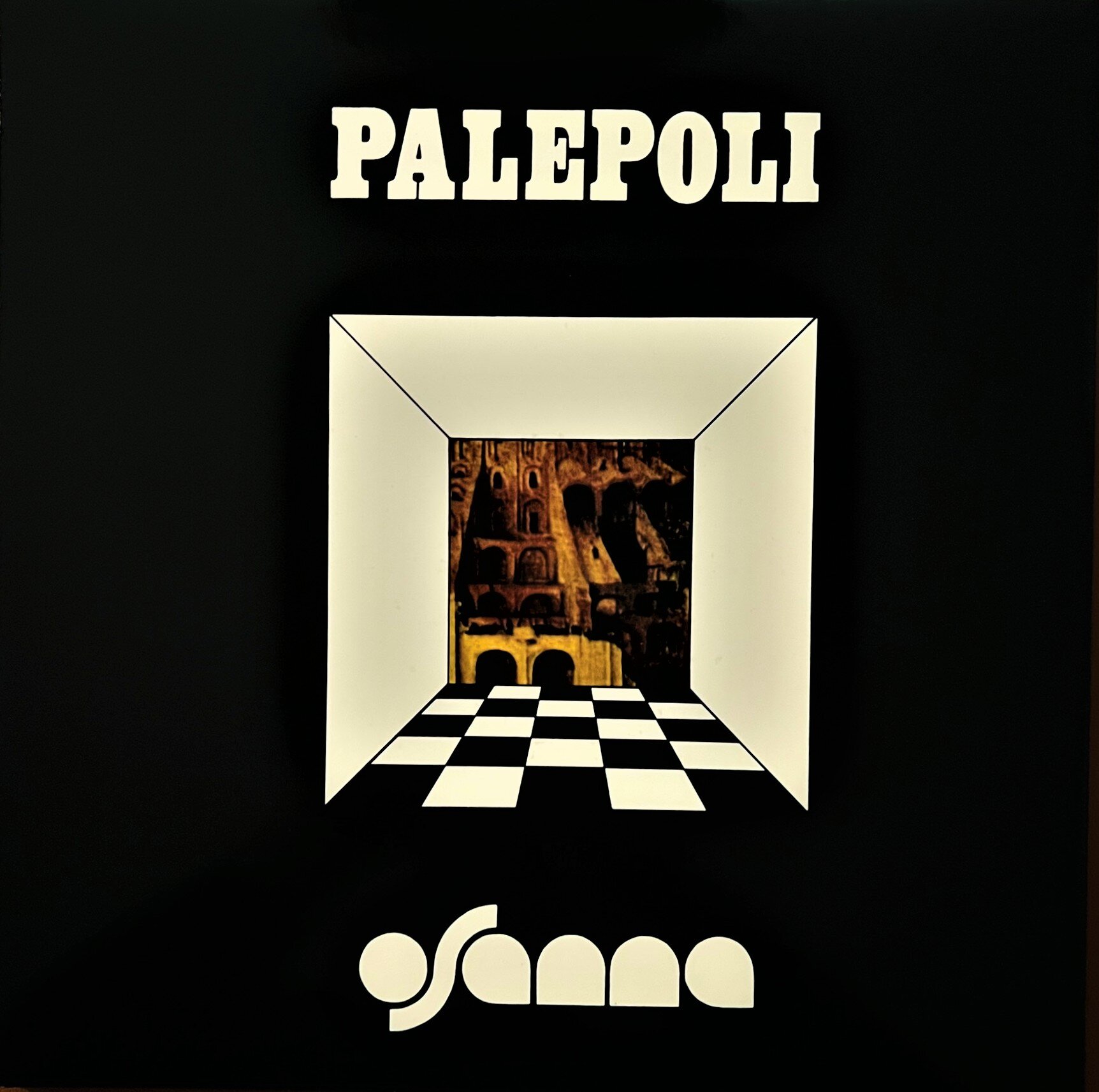
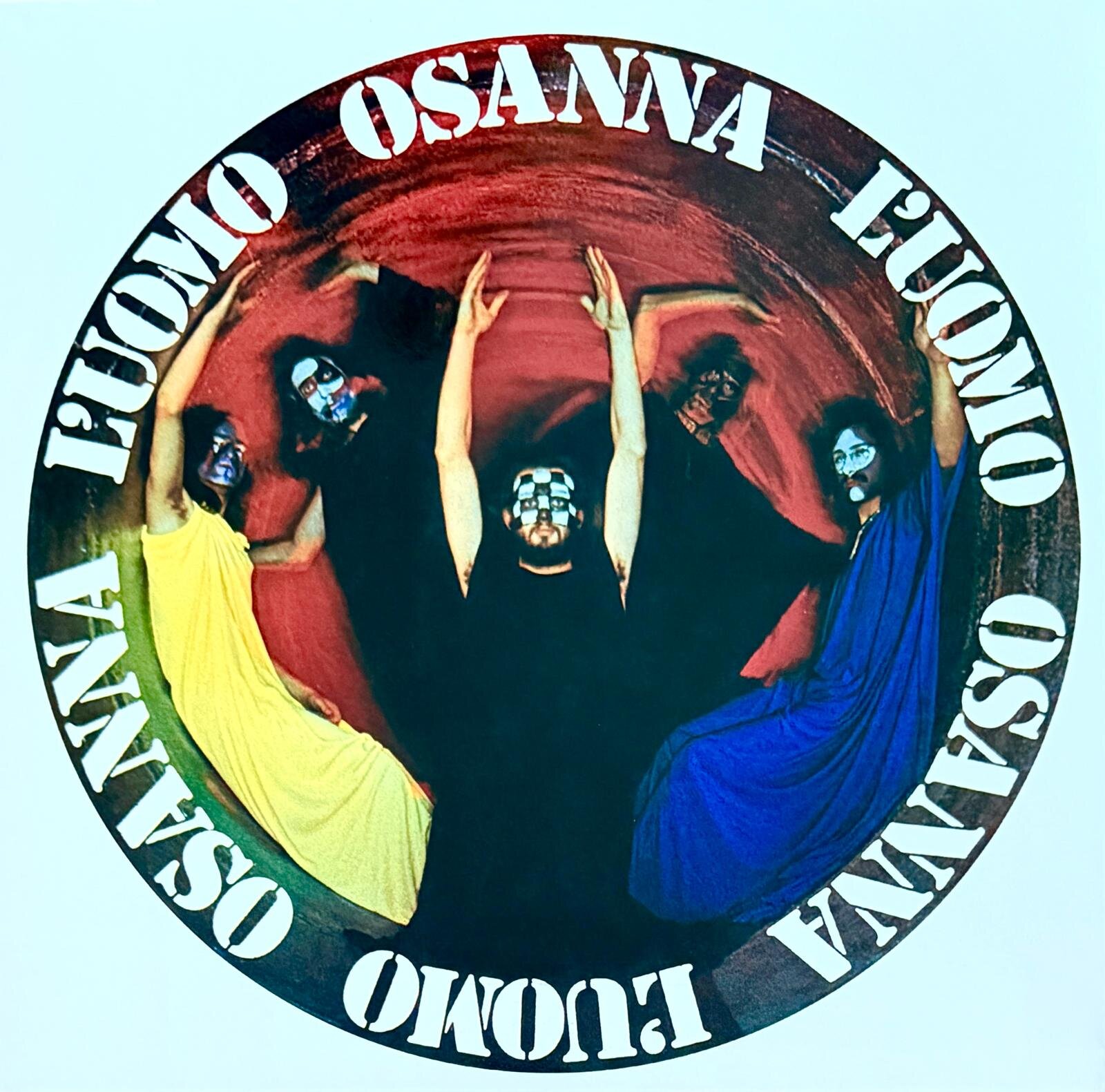
This album, over time, became a true international cult of Italian progressive rock and a benchmark for avant-garde soundtracks. When it came out in 1972, however, it wasn’t welcomed with enthusiasm by everyone. Some critics and more purist prog fans received it with some distrust, comparing it (often unfavorably) with their dazzling debut, “L’uomo” from 1971, and later with the absolute masterpiece “Palepoli” from 1973. Many thought that the soundtrack’s commercial formula, tied to Luis Bacalov’s rigid symphonic scores, had partly distorted Osanna’s typical expressive freedom.
But as the decades passed, the verdict completely flipped. Today the album is rightly celebrated as a formidable, successful experiment. Its main strength is the ability to condense in just 30 minutes the band’s entire sonic palette, from hard rock to jazz-rock, up to psychedelic dissonances, blending them perfectly with the dramatic lyricism of the string orchestra. A real gem.
My Version
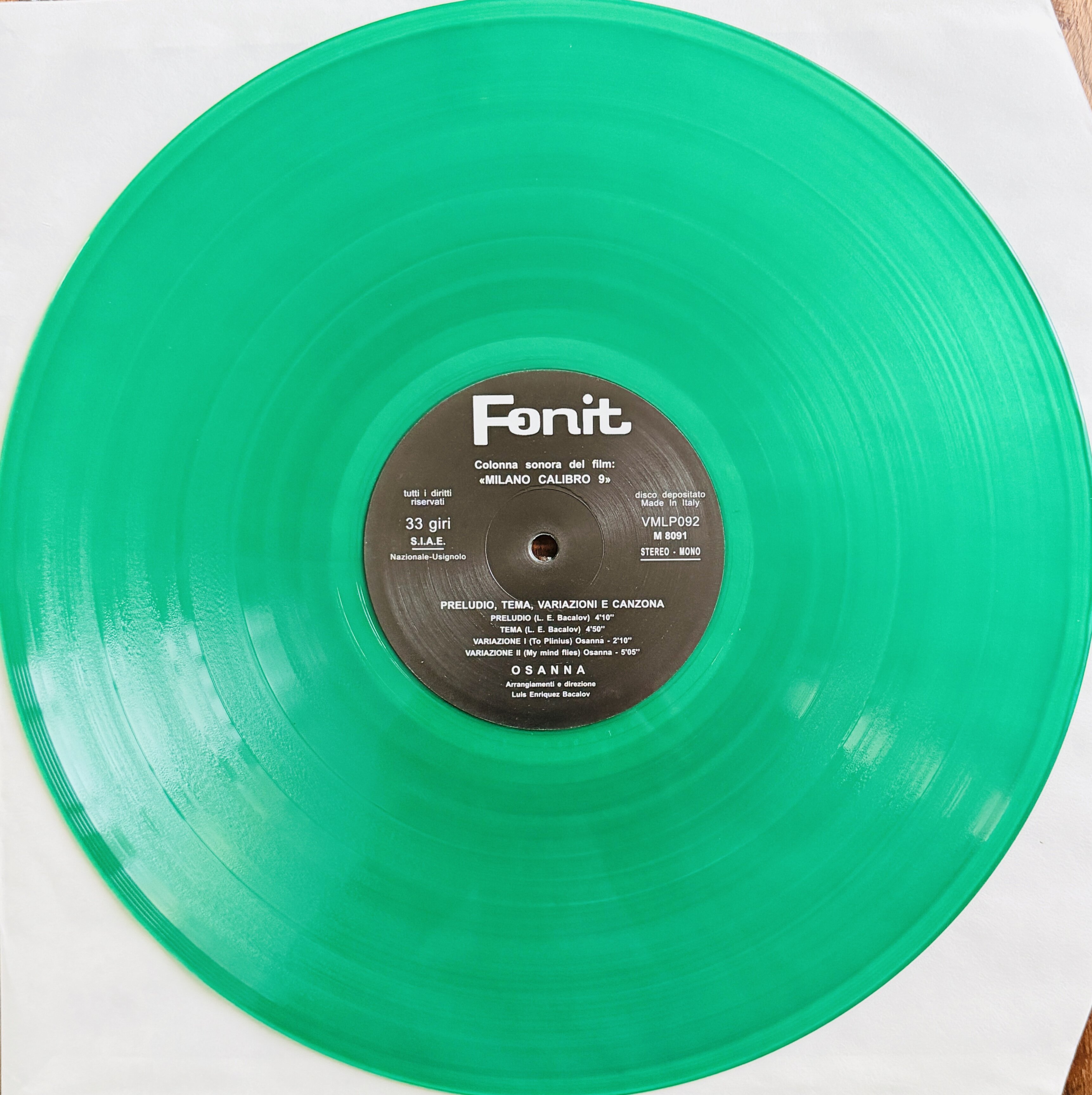
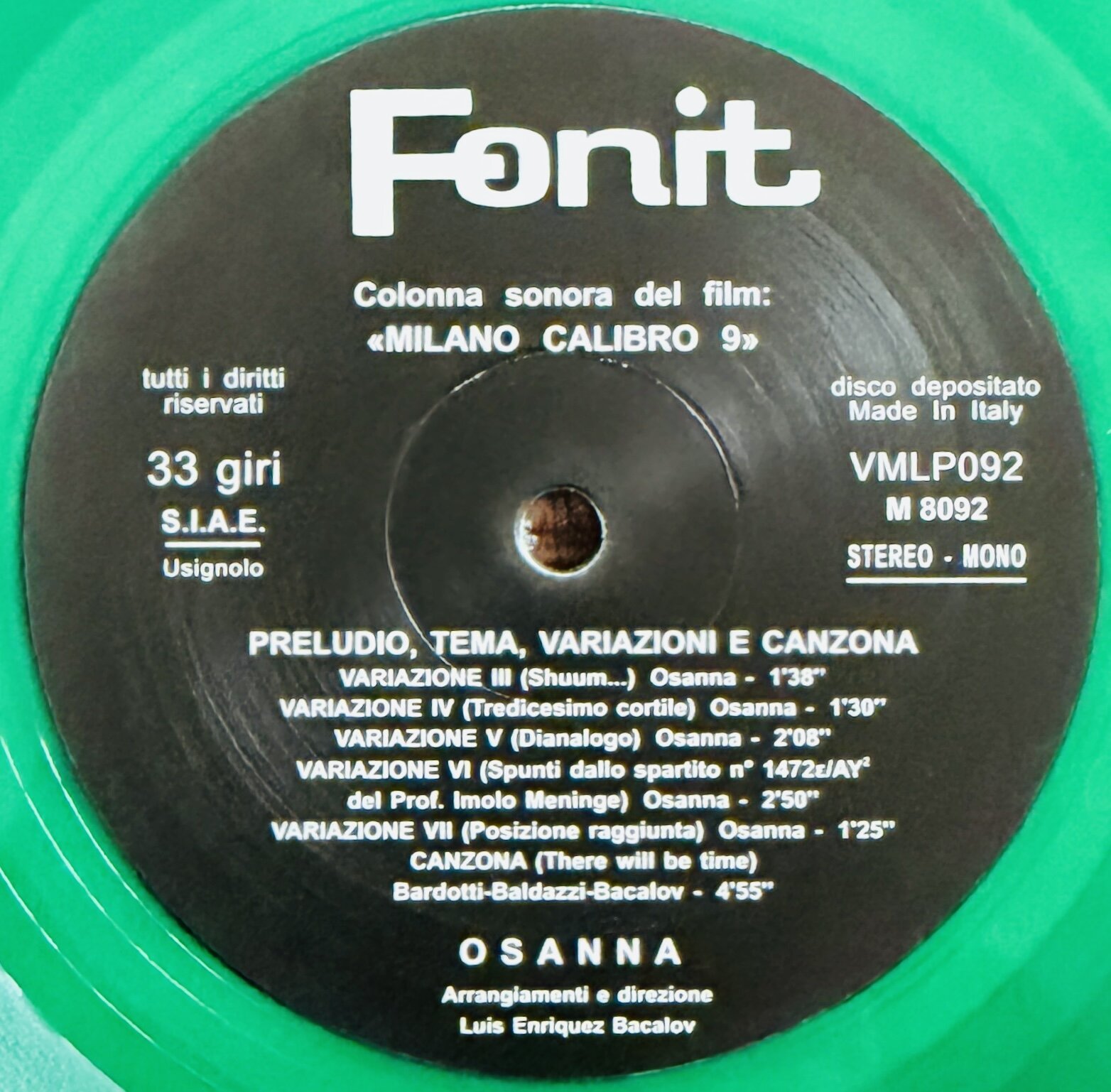
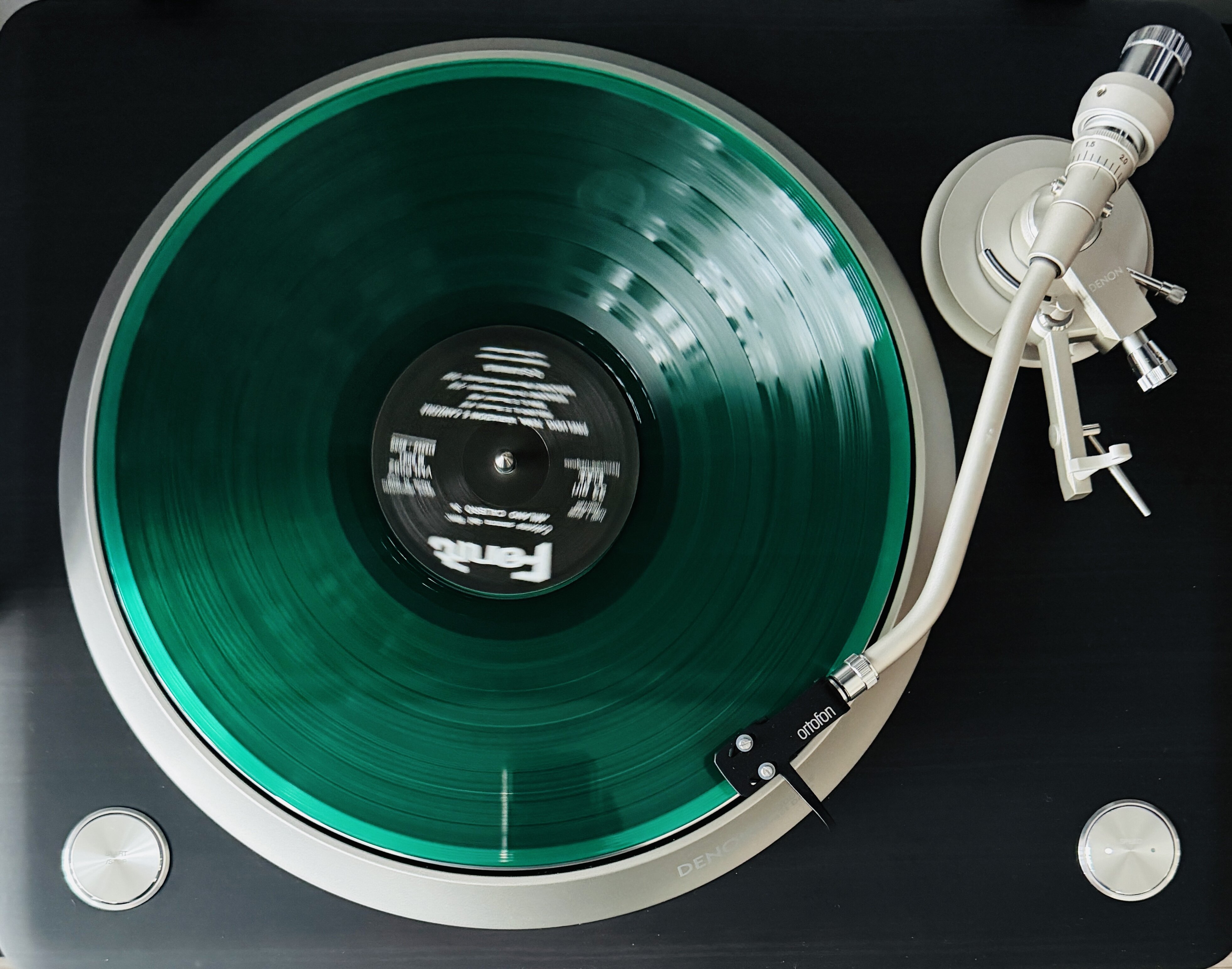
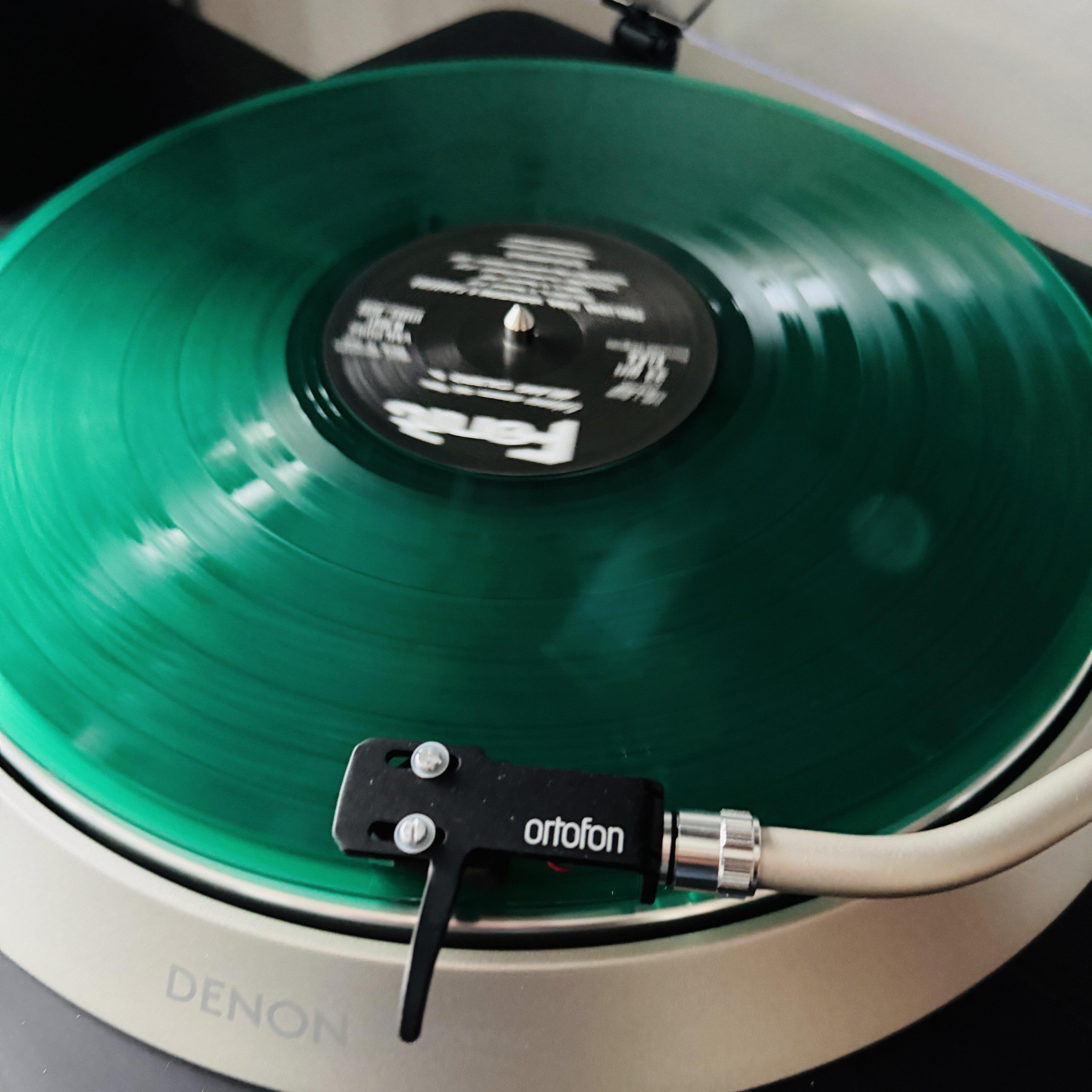
Label: Vinyl Magic – VMLP 092, Vinyl Magic – VMLP092
Format: Vinyl, LP, Album, Limited Edition, Reissue, Stereo, 180 Gram, Clear Green
Country: Italy
Released: 9 Feb 2022
Tracklist
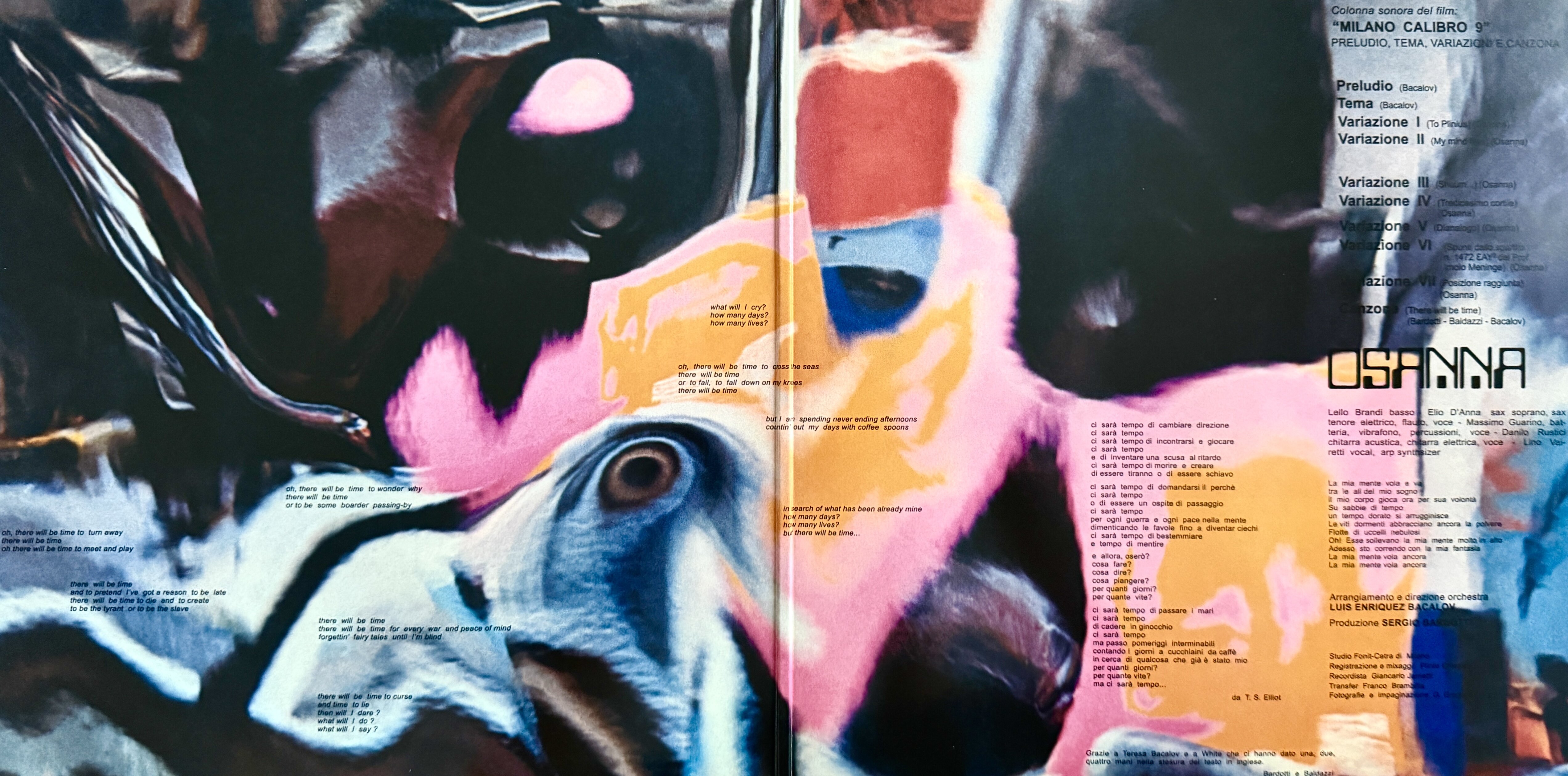
A1 Prelude 4:10
A2 Theme 4:50
A3 Variation I (To Plinius) 2:10
A4 Variation II (My Mind Flies) 5:05
B1 Variation III (Shuum...) 1:38
B2 Variation IV (Tredicesimo Cortile) 1:30
B3 Variation V (Dianalogo) 2:08
B4 Variation VI (Spunti Dallo Spartito N° 1472 Є/AY² Del Prof. Imolo Meninge) 2:50
B5 Variation VII (Posizione Raggiunta) 1:25
B6 Canzona (There Will Be Time) 4:55
Lineup
Arranged By, Directed By [Orchestra Direction] – Luis Enriquez Bacalov
Bass – Lello Brandi
Directed By [Movie Directed By] – Fernando Di Leo
Drums, Percussion, Vibraphone, Vocals – Massimo Guarino
Flute, Vocals, Soprano Saxophone, Tenor Saxophone – Elio D'Anna
Vocals, Acoustic Guitar, Electric Guitar – Danilo Rustici
Vocals, Synthesizer – Lino Vairetti