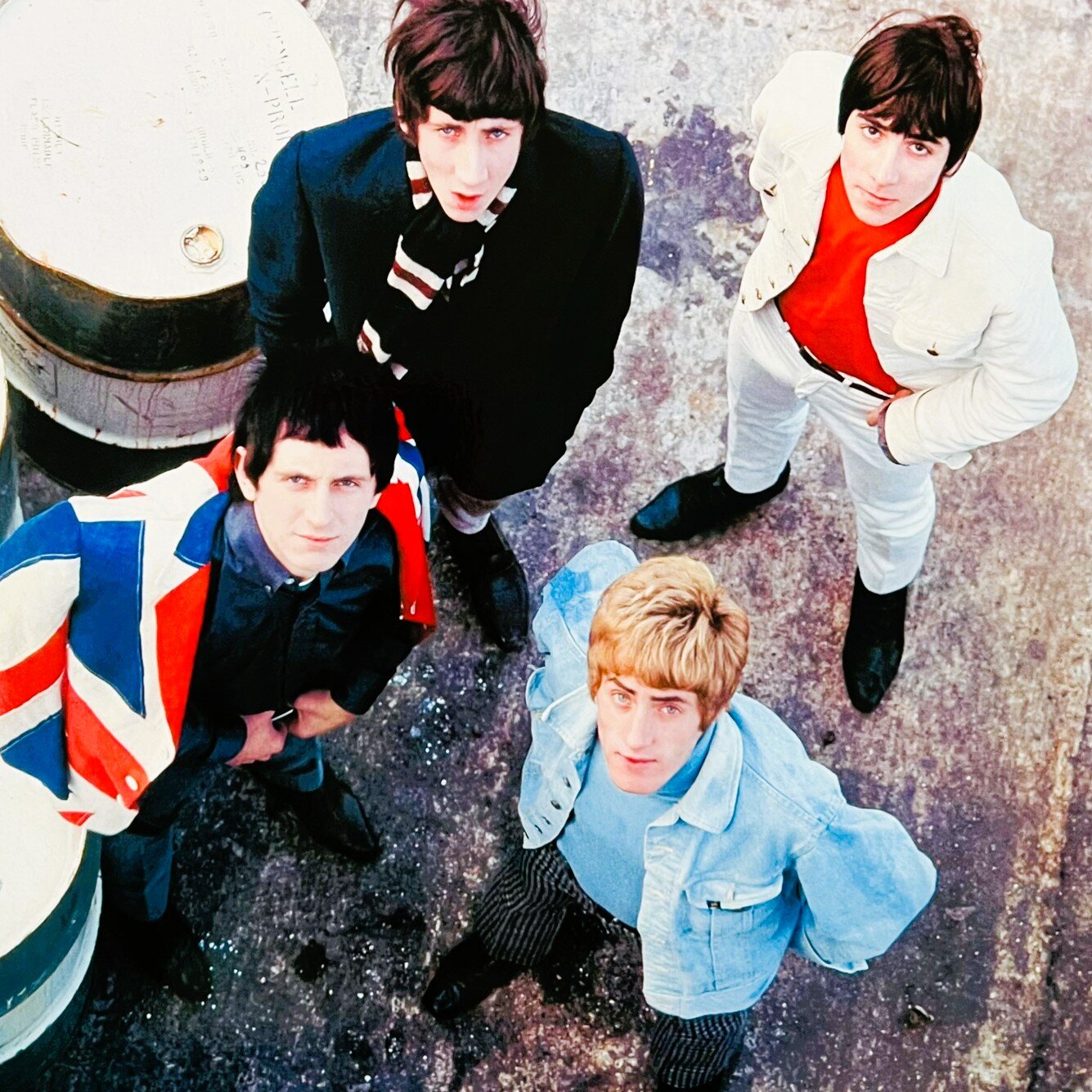
Not Only Prog: Quadrophenia by The Who, a 1973 album.
Quadrophenia, released on 26 October 1973, is the sixth studio album by the legendary The Who and one of the greatest British rock albums ever.
It is their second epic rock opera after Tommy from 1969, and it is the only album that Pete Townshend, the guitarist, wrote and composed on his own.
The story behind Quadrophenia is truly unusual, especially when it comes to the musicians who worked on it. There were very few guests in the studio, and there were tons of changes both behind the scenes and during the tours that followed.
Unlike other great rock albums of the time, the credits for 1973’s Quadrophenia feature almost no outside musicians. The album was played almost entirely by the four classic members of The Who:
Roger Daltrey: Lead vocals.
Pete Townshend: Guitars, synthesizers, piano, banjo, cello, and vocals on some tracks.
John Entwistle: Bass, backing vocals and, crucially, all the brass instruments (horns, trumpets). Instead of calling in an outside horn section, Entwistle recorded dozens of overdubbed tracks by himself.
Keith Moon: Drums, percussion and vocals on the track Bell Boy.
The only credited outside contributions on the original album are Chris Stainton, who plays piano on three tracks (The Dirty Jobs, 5:15 and Drowned), and John Curle, a real BBC voice, who reads the weather at the start of the record (I Am the Sea).
During the making of the album, The Who went through a major change: they split from their longtime manager and producer, Kit Lambert.
Lambert had been key to the band’s success and to the birth of “Tommy”, but at that time he was struggling with addiction and the financial relationship with The Who had become difficult. Roger Daltrey pushed to remove him. Even though Lambert began working on pre-production, he was fired before the album was finished. So, The Who decided to self-produce the album together with sound engineer Ron Nevison.
While recording in the studio, The Who worked very privately. But when they started playing the album live, things changed a lot because of the music’s complexity and the tragic loss of the original members.
Live, The Who were only four and couldn’t reproduce the album’s synths and brass. They decided to play over backing tracks recorded on tape, but it was a technical disaster. The tapes jammed, the band lost time, and Pete Townshend, furious, even dragged sound engineer Bobby Pridden onto the stage, smashing equipment. For this reason, the “bare” lineup had to stop playing the whole album in 1974.
The title plays on the words “schizophrenia” and “quadraphonic”, a cutting-edge audio technology at the time. The story revolves around Jimmy, an English boy from the early-’60s Mod subculture, who has four distinct personalities, each representing a member of The Who: a tough guy (Roger Daltrey), a romantic (John Entwistle), a raging madman (Keith Moon) and a hypocrite seeking redemption (Pete Townshend).
Before going on, it’s necessary to have a few basics about Mod culture.
Mod culture, or Modernism, was one of the most influential youth subcultures of the 20th century. Born in London in the late ’50s, it reached its peak in the mid-’60s, redefining style, music, and youth rebellion. Unlike other protest movements of the time, Mods weren’t scruffy or openly political: theirs was a revolution built on a love of aesthetics, elegance, and imported music.
Mods were extremely careful about their look. Men wore tailored three-button suits with Italian or French cuts, slim shirts, narrow ties, and smart shoes like Chelsea boots or loafers. To protect expensive clothes while traveling, they wore the famous green military parka (M-51 or M-65 model). Women, called Moddedtes, broke with traditional fashion through miniskirts (made famous by Mary Quant), short geometric haircuts (Vidal Sassoon style), and bold eye makeup.
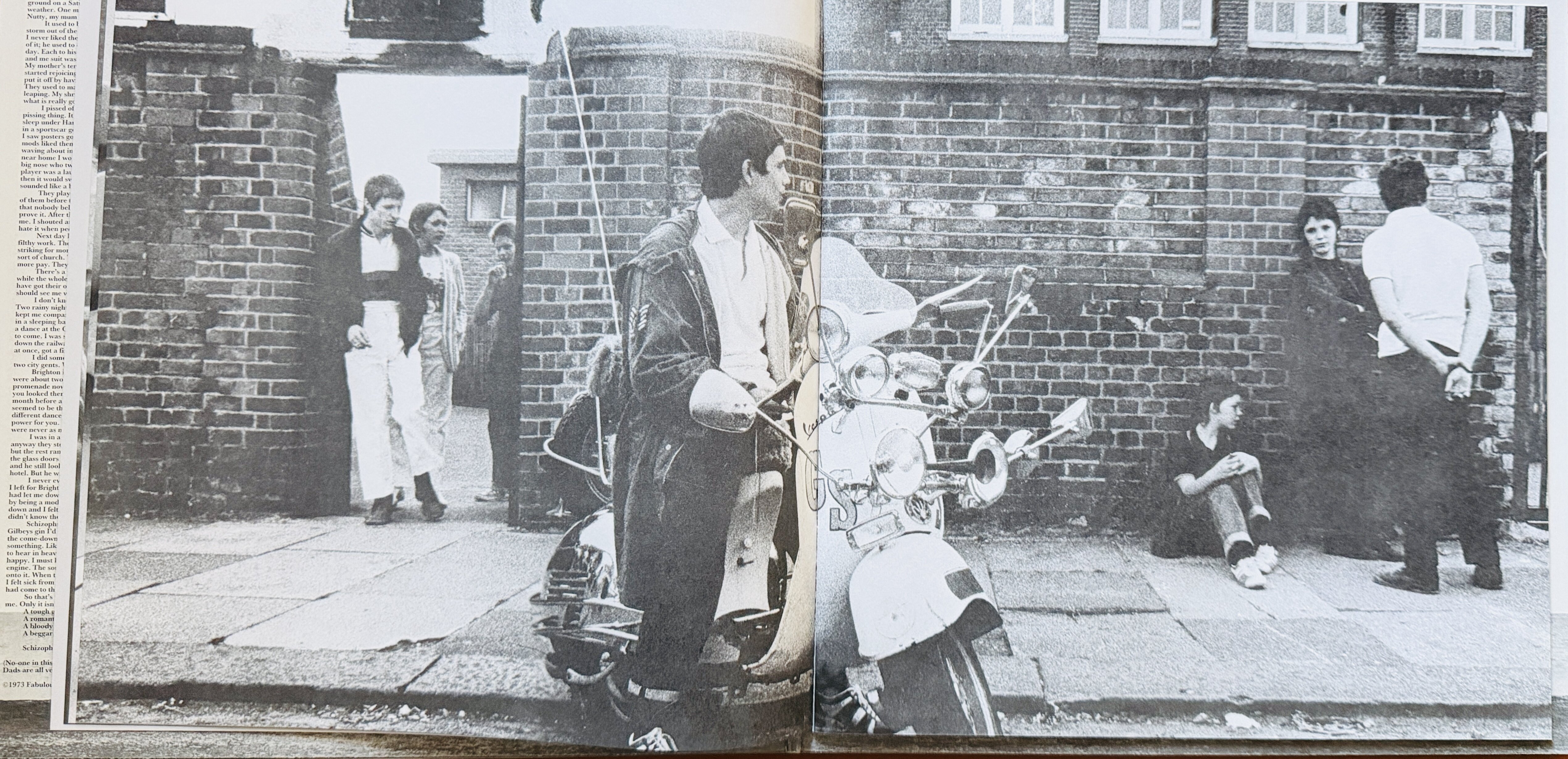
The scooter was the ultimate symbol of freedom and belonging. Mods rode only Vespa Piaggio or Lambretta Innocenti scooters, strictly customized with lots of rear-view mirrors and extra headlights on the handlebars.
At first, early Mods listened to Modern Jazz (from which the movement takes its name) and Blues. Soon, however, their soundtrack shifted toward imported Black American music: Soul, Rhythm & Blues, and Motown. By the mid-’60s, English bands like The Who and The Small Faces tapped into this audience, becoming the movement’s reference bands, labeled Maximum R&B.
Mods lived for the weekend, a chance to cut loose in London clubs like The Scene or the Flamingo. To keep up and dance until dawn, they relied on amphetamines, known as Purple Hearts. This created an interesting contrast: their spotless, “good boy” appearance hid a lively, rebellious energy.
Mods were mainly young people from the English working class. During the week they worked as shop assistants, clerks, or laborers, but their true love was sharp clothes, records, and accessories for their scooters. It was a way to escape the monotony of post-war life and to express their personality through a unique style.
Now let’s look at the story told on the record.
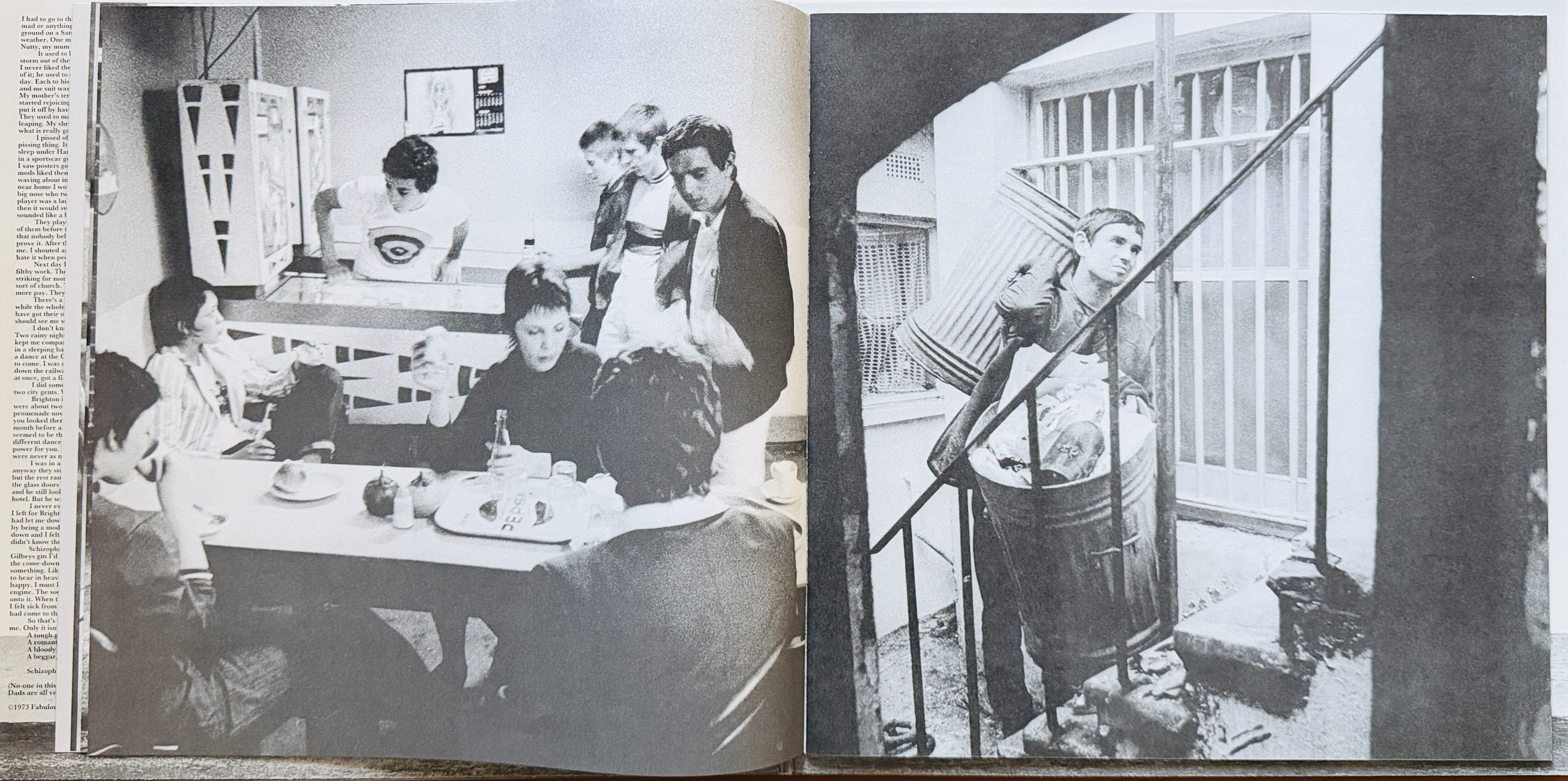
Set between London and Brighton in 1965, the plot follows Jimmy in his search for an identity and a place in the world. He fights against his parents’ misunderstanding, an alienating job as a garbage man, and amphetamine abuse, finding comfort only in Mod fashion, his Vespa GS scooter, and music.
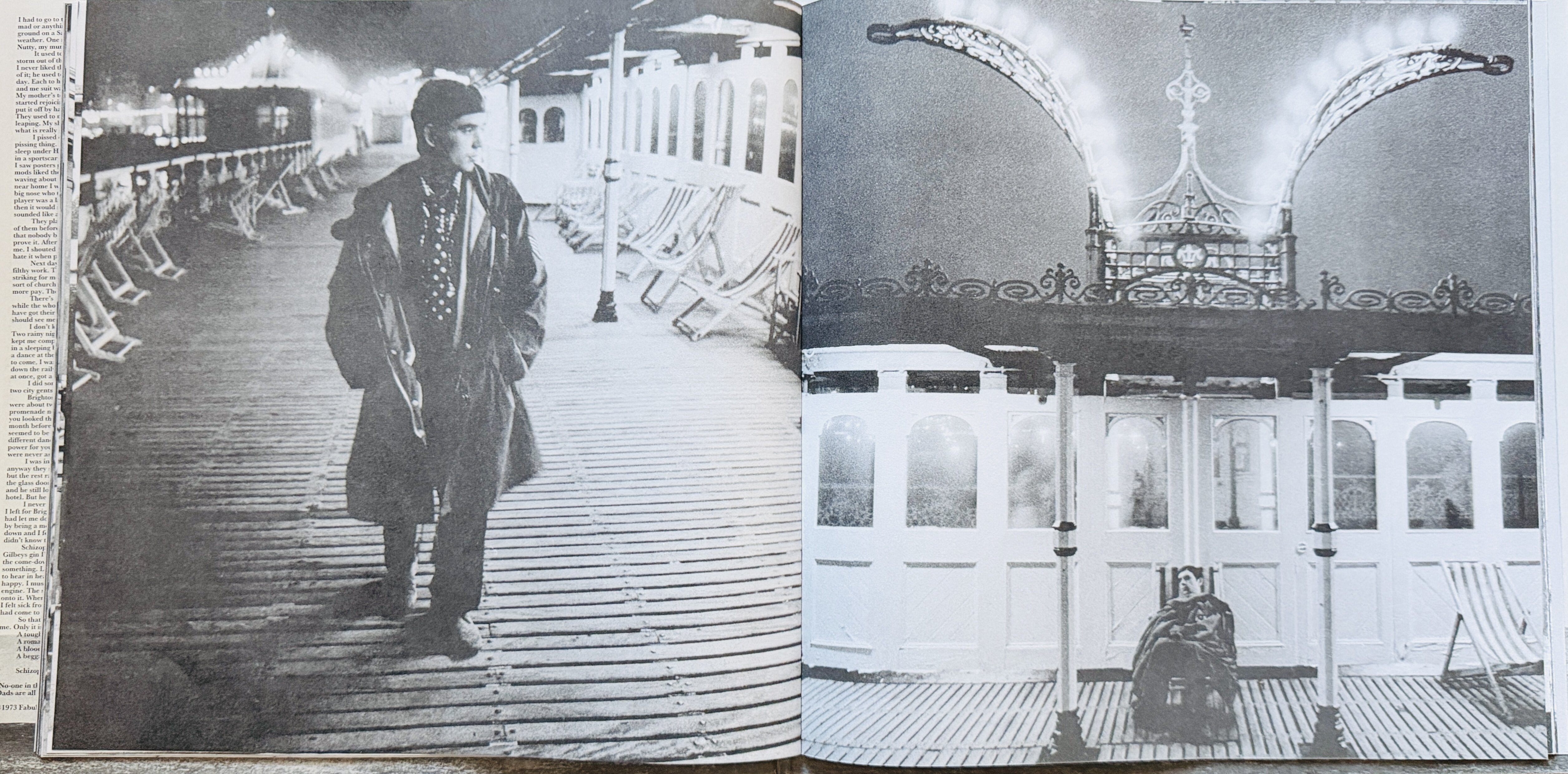
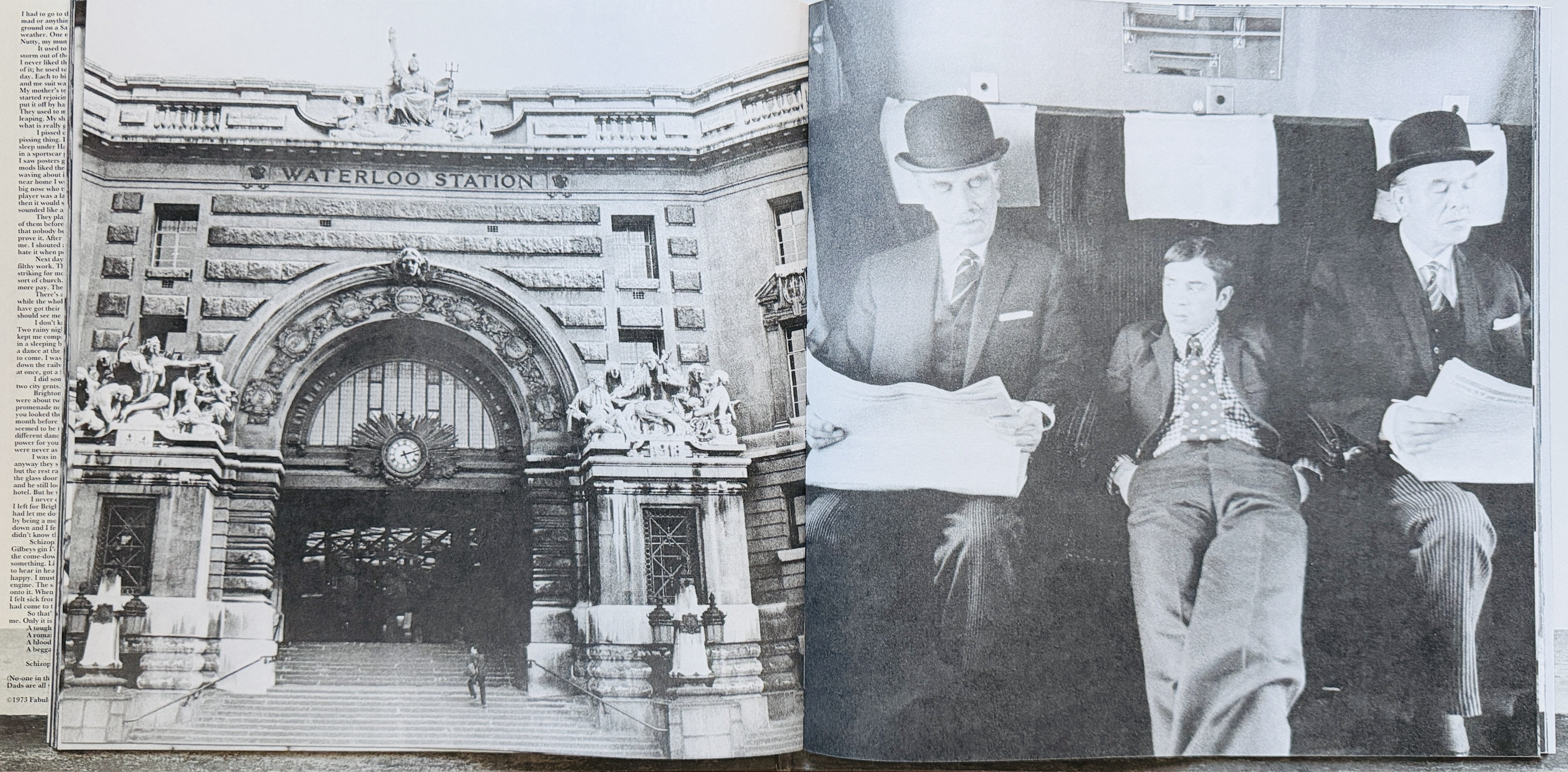
The peak of his social life comes during the legendary weekend of clashes between Mods and Rockers in Brighton, where Jimmy finally feels part of something important. However, the illusion soon fades: his girlfriend leaves him for his best friend, the Mods scatter, and, returning to Brighton by train, he discovers that his idol, “Ace Face”, is actually a waiter.
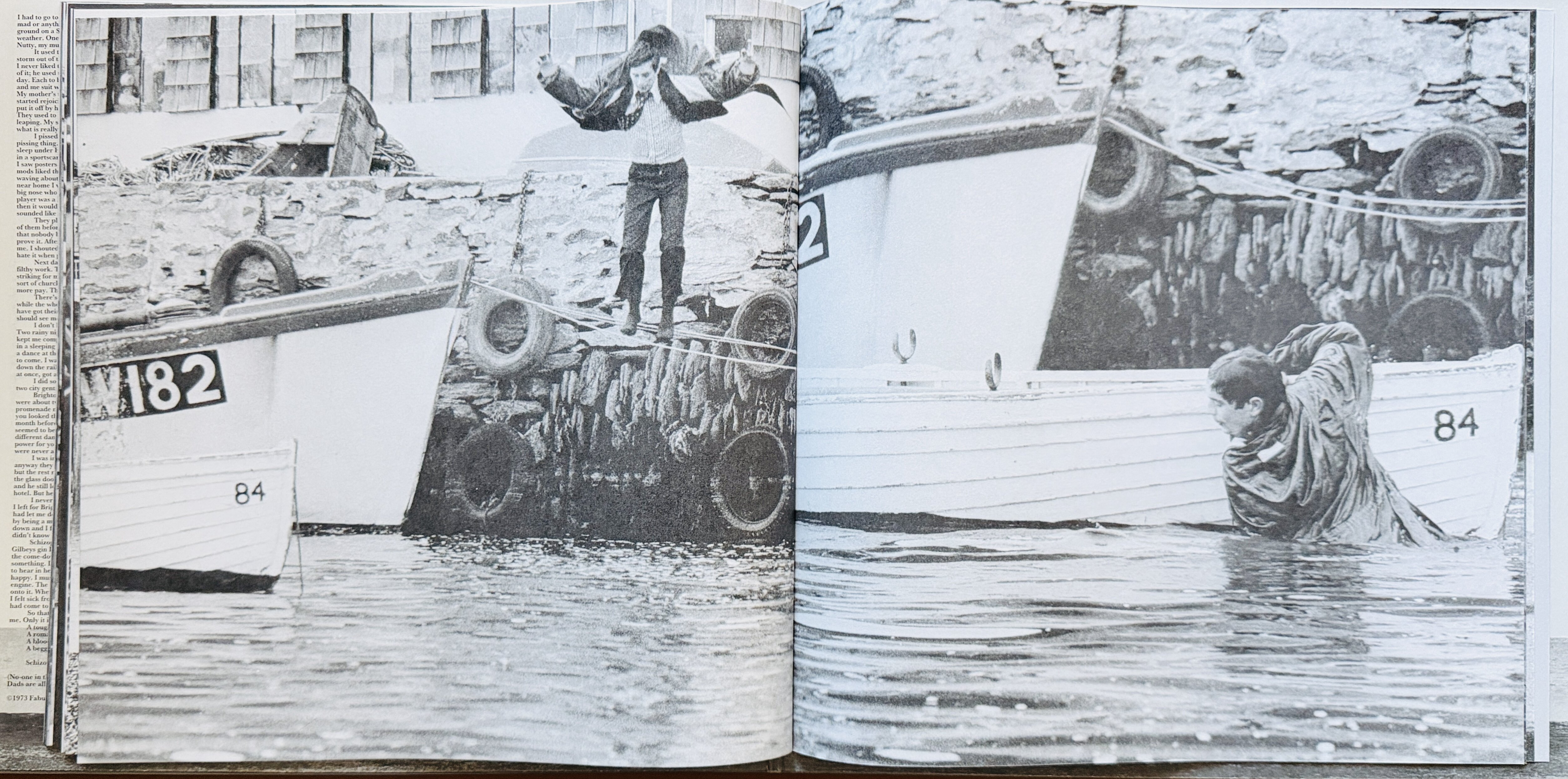
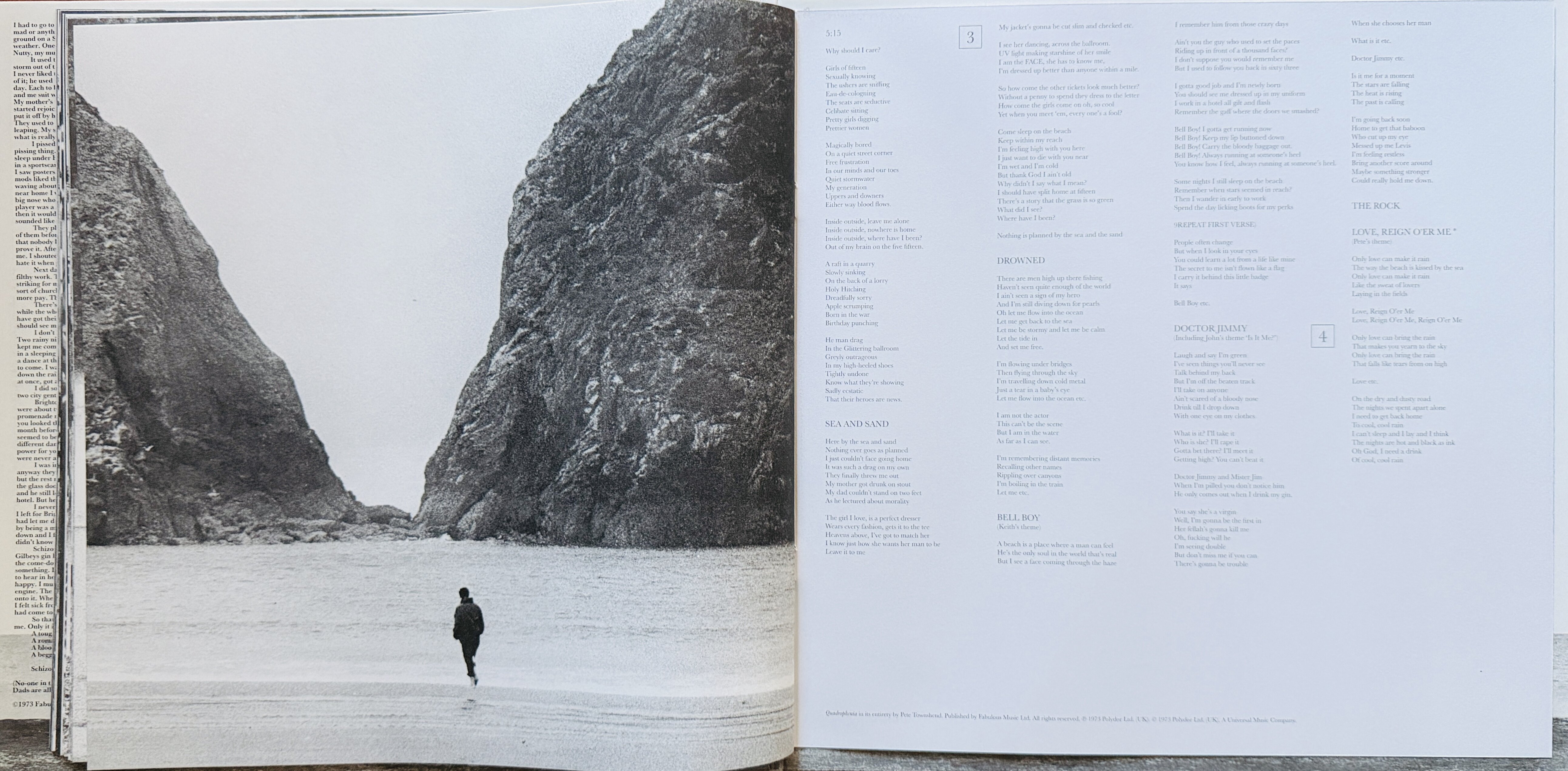
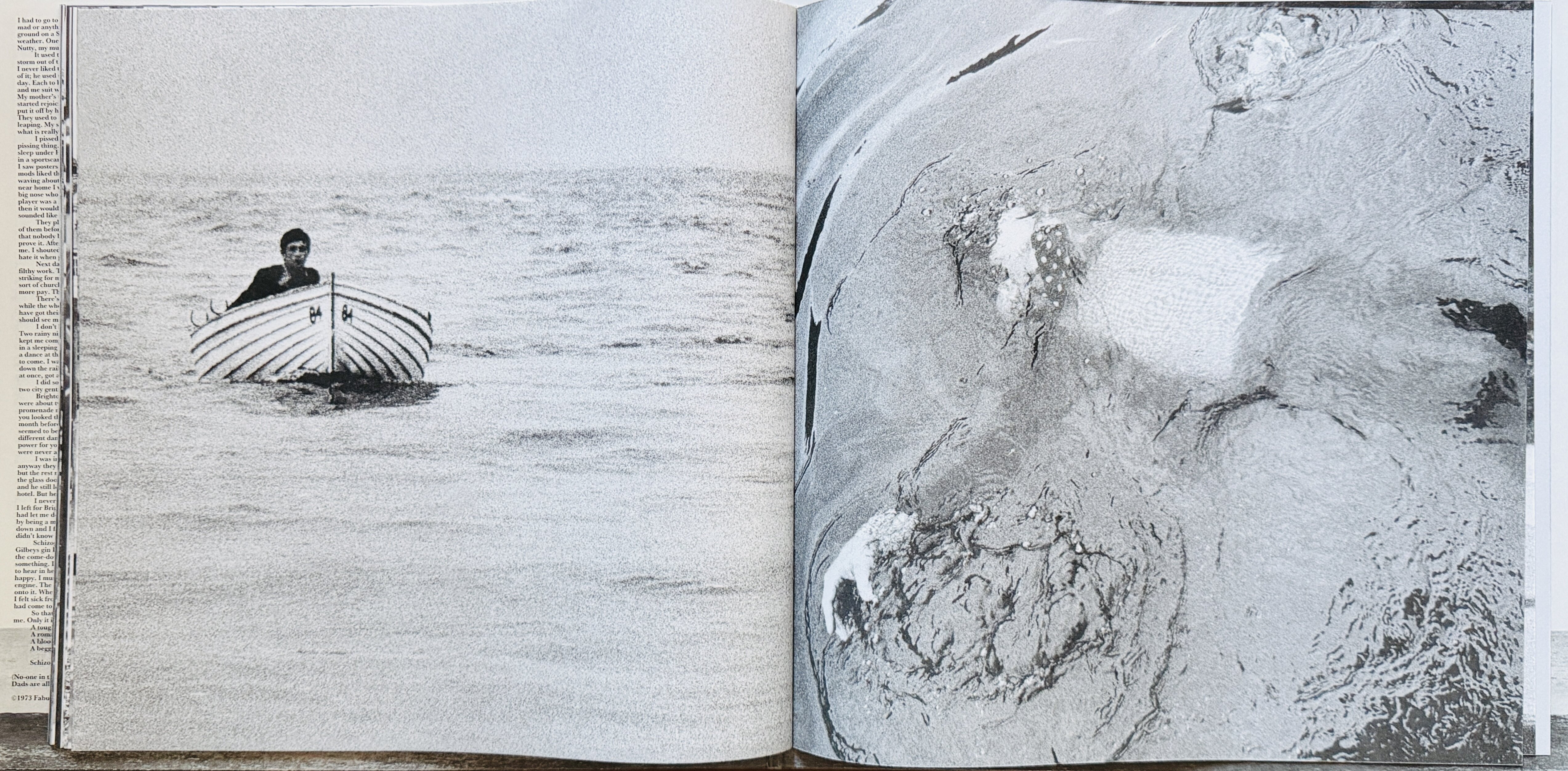
Crushed by disillusionment, Jimmy steals a boat and heads out to sea during a storm. Stranded on a rock, the album ends with “Love, Reign O’er Me”, a desperate prayer that symbolizes a cleansing and a spiritual rebirth through the rain, leaving the ending open.
Quadrophenia is a true masterpiece, an album that marks the highest point in Pete Townshend’s and The Who’s career. If Tommy was still tied to the classic ’60s rock song, Quadrophenia is a full-on rock symphony, complex, layered, and full of nuance.
The album is built like a symphony, with four main musical themes, each linked to one of Jimmy’s four personalities (and therefore to a band member). These themes are introduced in the first song, “I Am the Sea”, developed throughout the double album, and then fused together masterfully in the final instrumental “The Rock” and the closing “Love, Reign O’er Me”. It’s not just a collection of tracks, but a single musical story that flows without interruption.
Musically, Quadrophenia is an innovative album. Townshend used synthesizers in a pioneering way, creating pulsing, hypnotic sound beds with the ARP 2500 and ARP Odyssey. Unlike the progressive rock of the time, where synths played virtuosic solos, The Who used them to create a unique atmosphere that set the tempo for Keith Moon’s drums. And then there’s John Entwistle’s “do-it-yourself” orchestration: instead of calling in an orchestra, he recorded a multi-track brass section on his own, creating a powerful, dramatic sound that gives the album an almost cinematic feel. Finally, Townshend recorded real sounds from the surrounding environment, like the noise of waves, rain, and scooter engines, to immerse the listener in Jimmy’s mind. These sounds, mixed in quadraphonic, created an immersive effect.
Every instrument has a key role. Keith Moon’s drumming is at its absolute peak: it doesn’t just keep time, it “sings” along with the melody, filling every space with dramatic rolls. Entwistle’s bass is huge and distorted, with solo-like lines that drive tracks like “The Real Me”. Townshend’s guitars alternate electric power chords with delicate acoustic arpeggios, reflecting Jimmy’s emotional fragility. And Roger Daltrey’s voice is theatrical and visceral, perfect for expressing teenage frustration and despair.
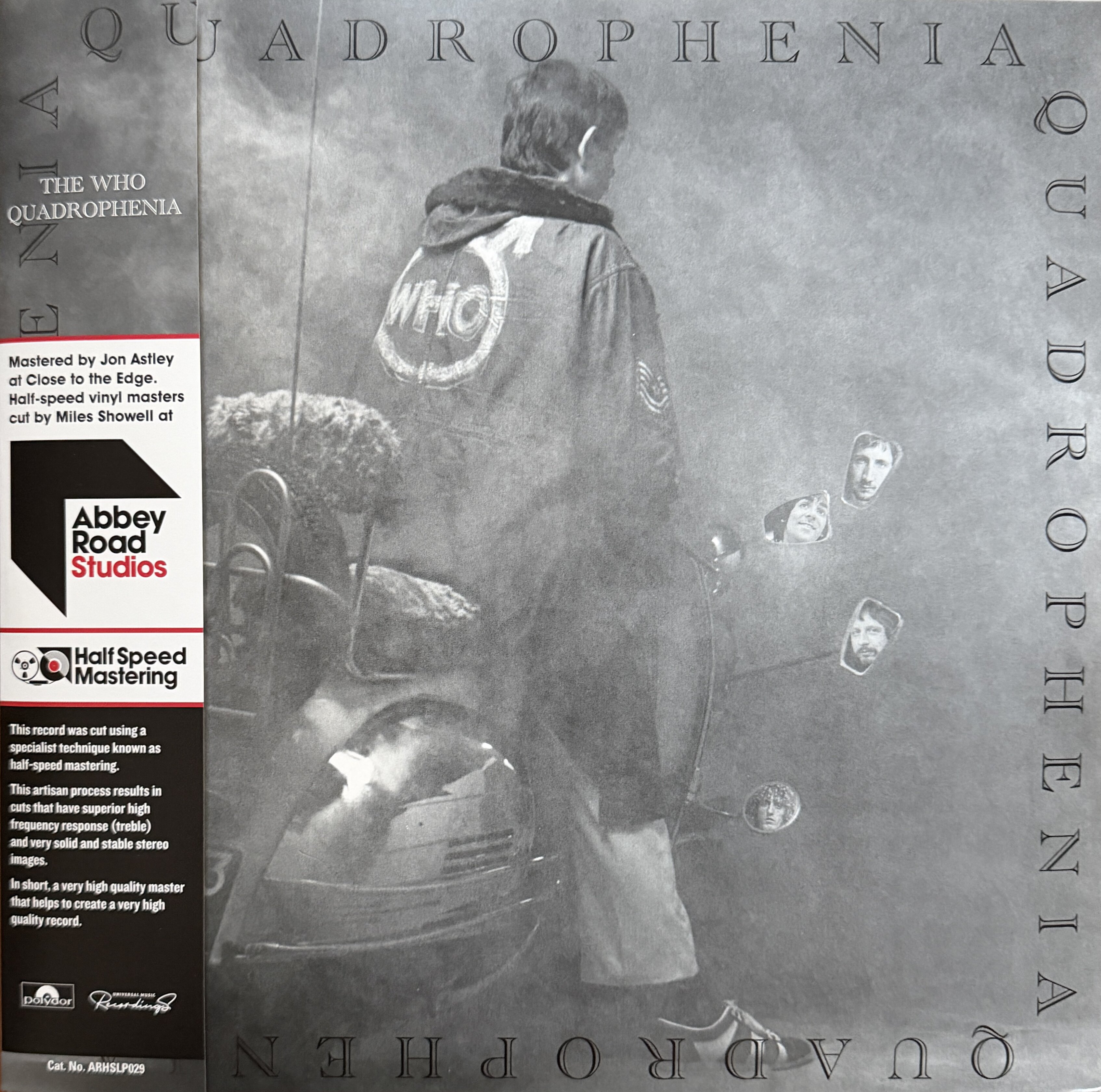
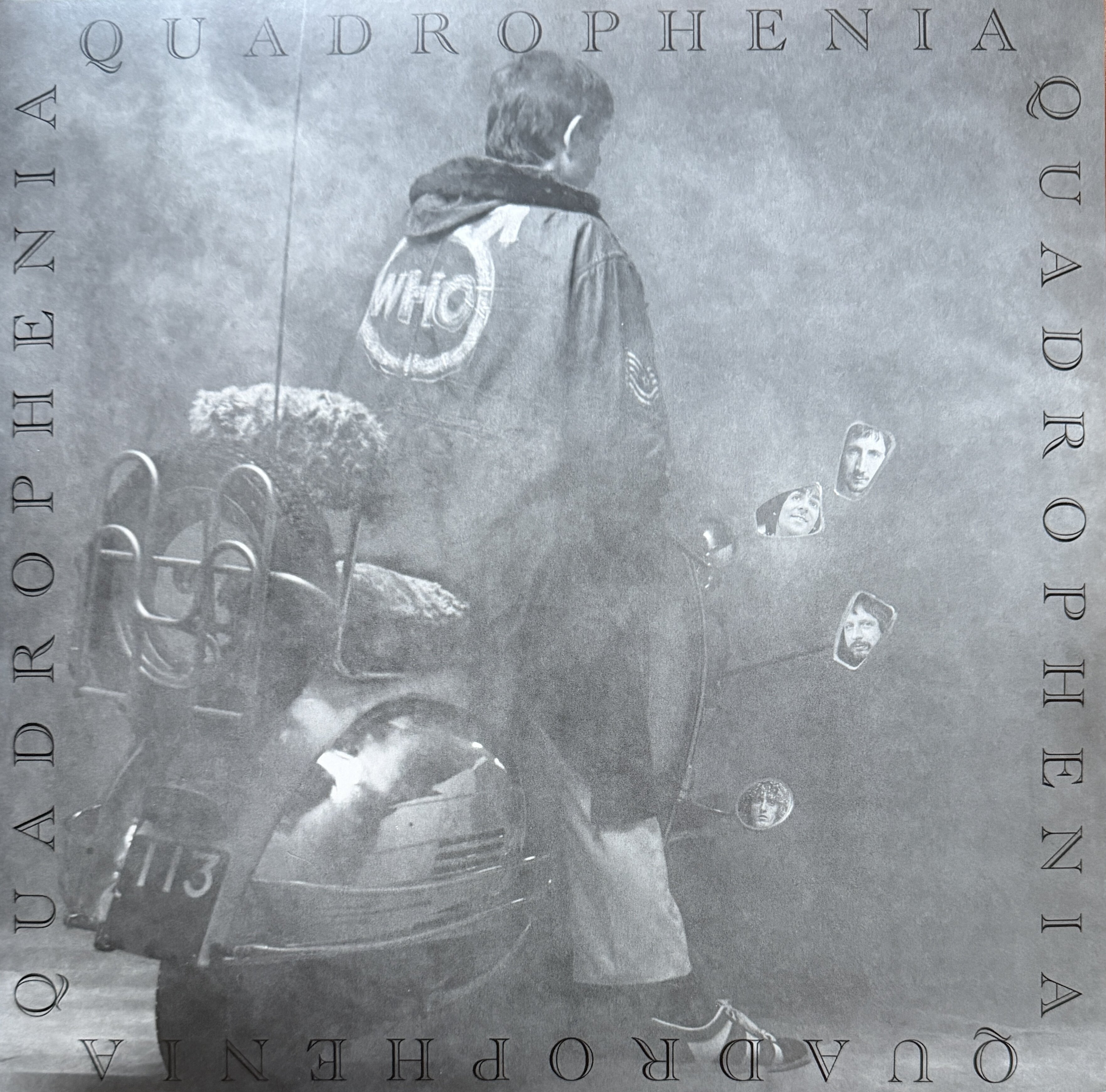
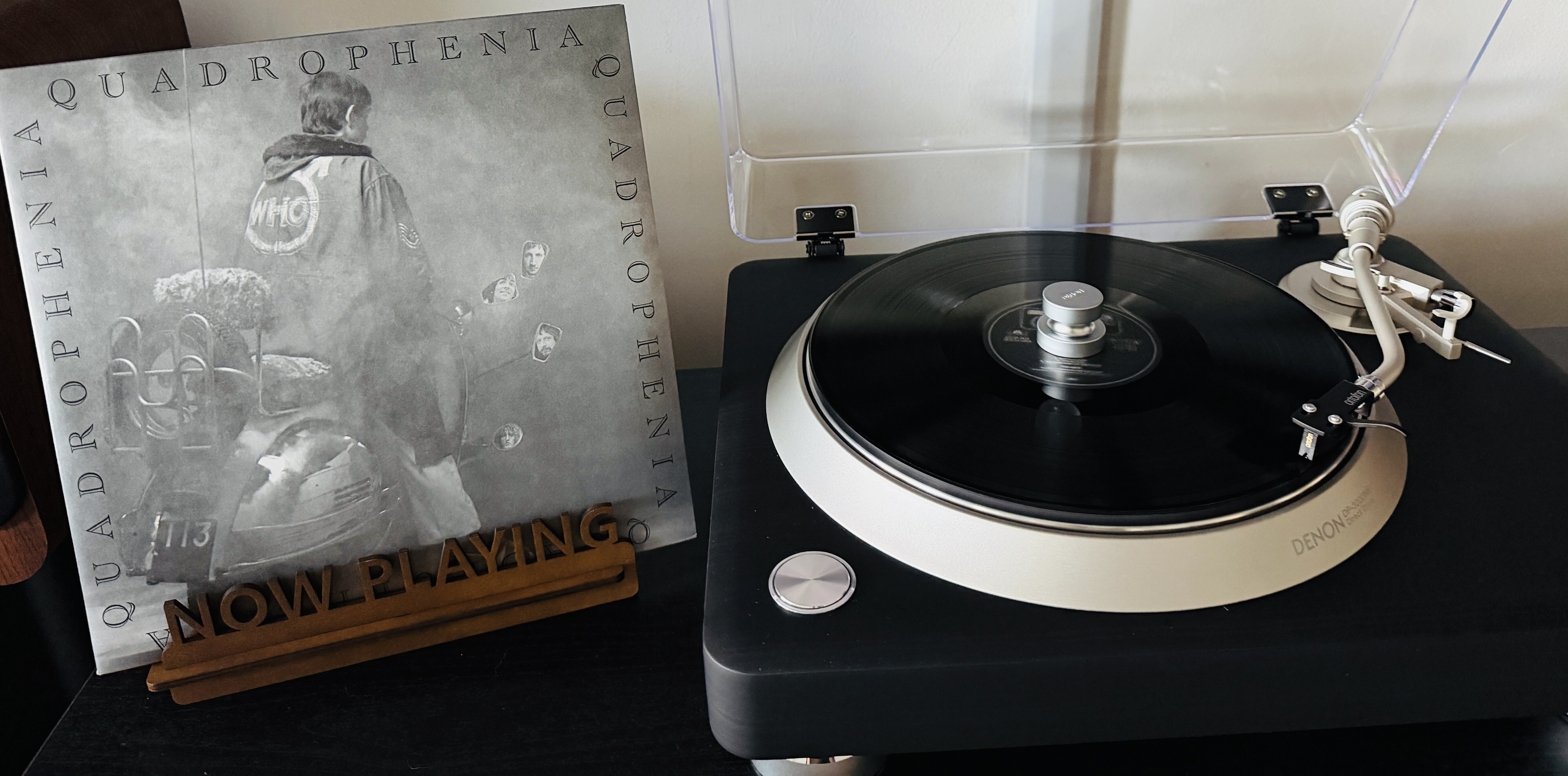
The cover of Quadrophenia is one of the most iconic and expensive in rock history. Bassist John Entwistle said it cost about £16,000 at the time. The cover idea came from singer Roger Daltrey, and the photo was taken by photographer Graham Hughes.
The cover image is a truly powerful black-and-white shot: it shows a young Mod from behind looking at a gray, desolate London street, with Battersea Power Station in the background (the same plant Pink Floyd would make famous on the cover of Animals in 1977).
The boy wears the classic green military parka, a Mod symbol, and is sitting on a Vespa GS. In the four rear-view mirrors you can see the faces of the four members of The Who: Roger Daltrey, Pete Townshend, John Entwistle, and Keith Moon. This visual choice perfectly represents the album’s theme: the protagonist Jimmy contains within himself the band’s four personalities.
The boy on the scooter wasn’t a famous actor, but a real mod named Chad (whose full name was Terry Kennett), found by the band’s staff in a London club. Chad became the official face of Jimmy for the entire visual project.
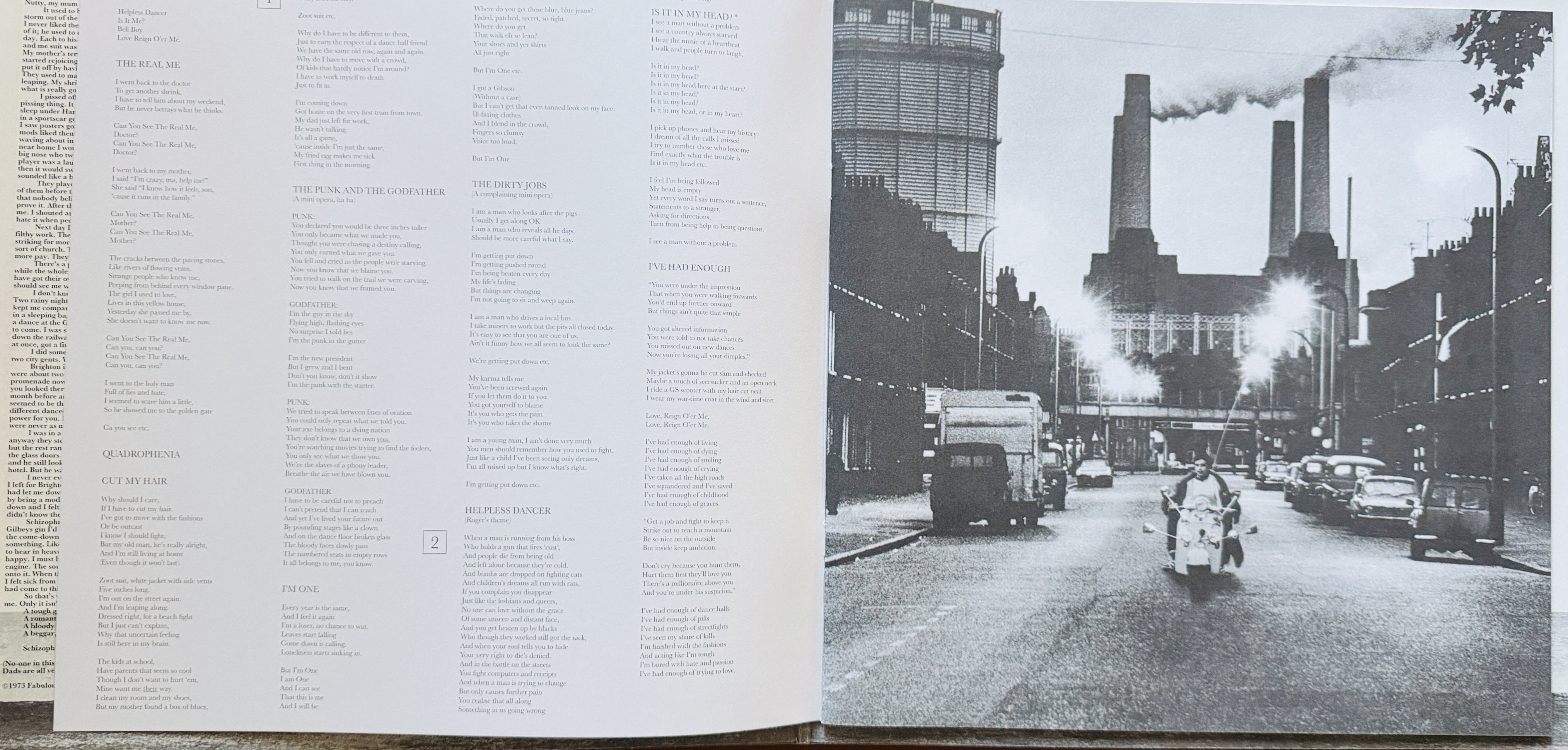
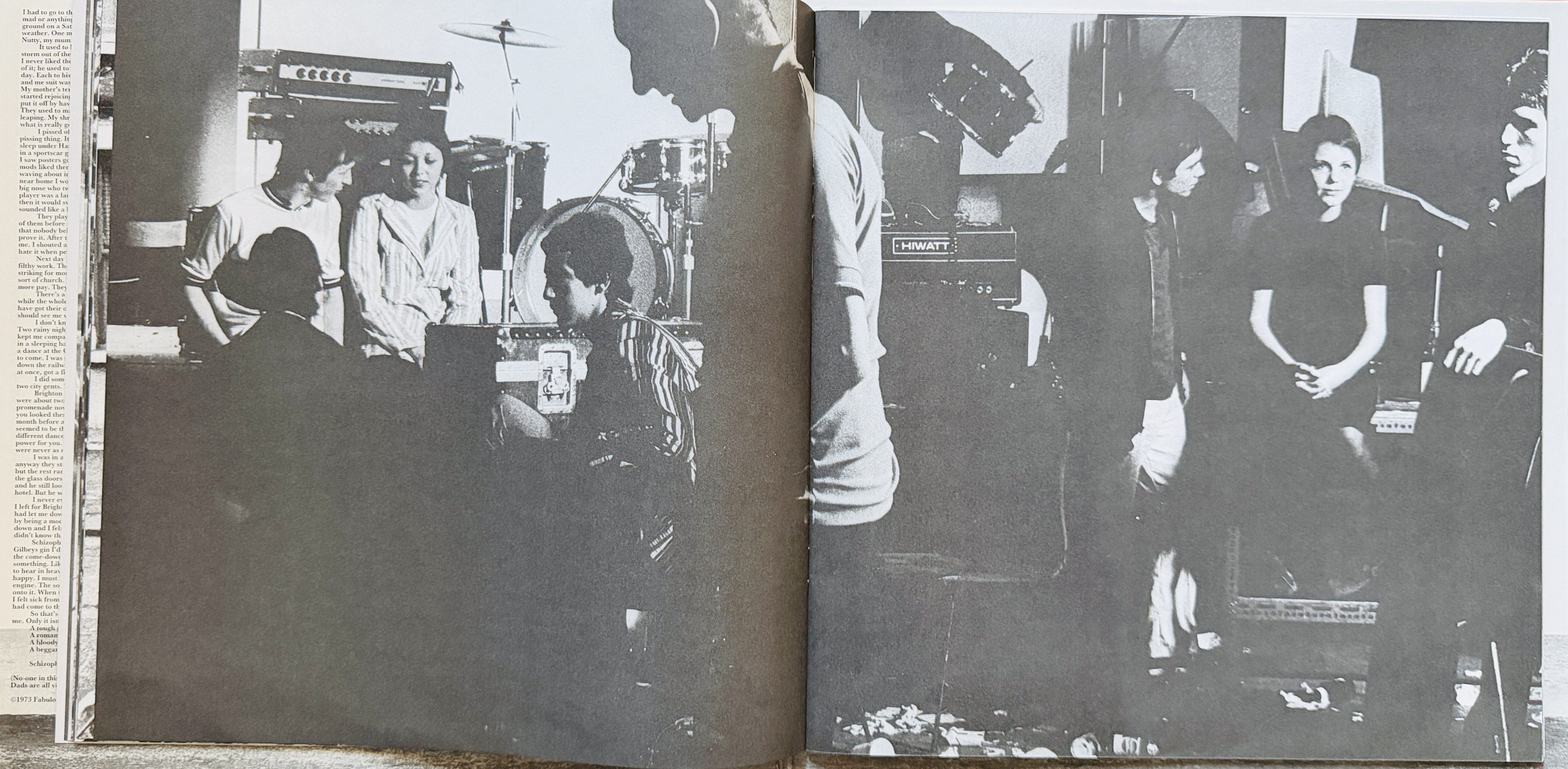
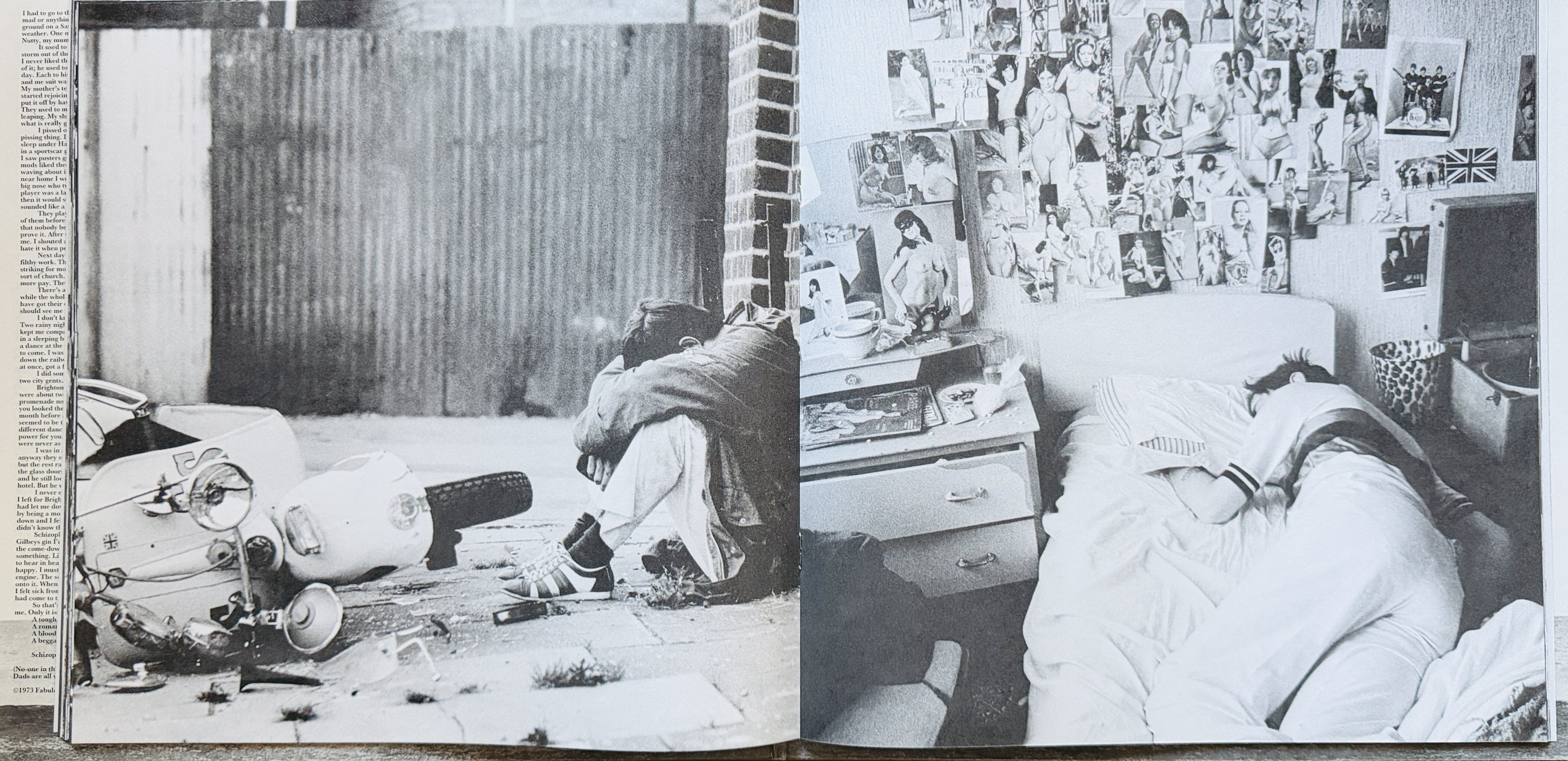
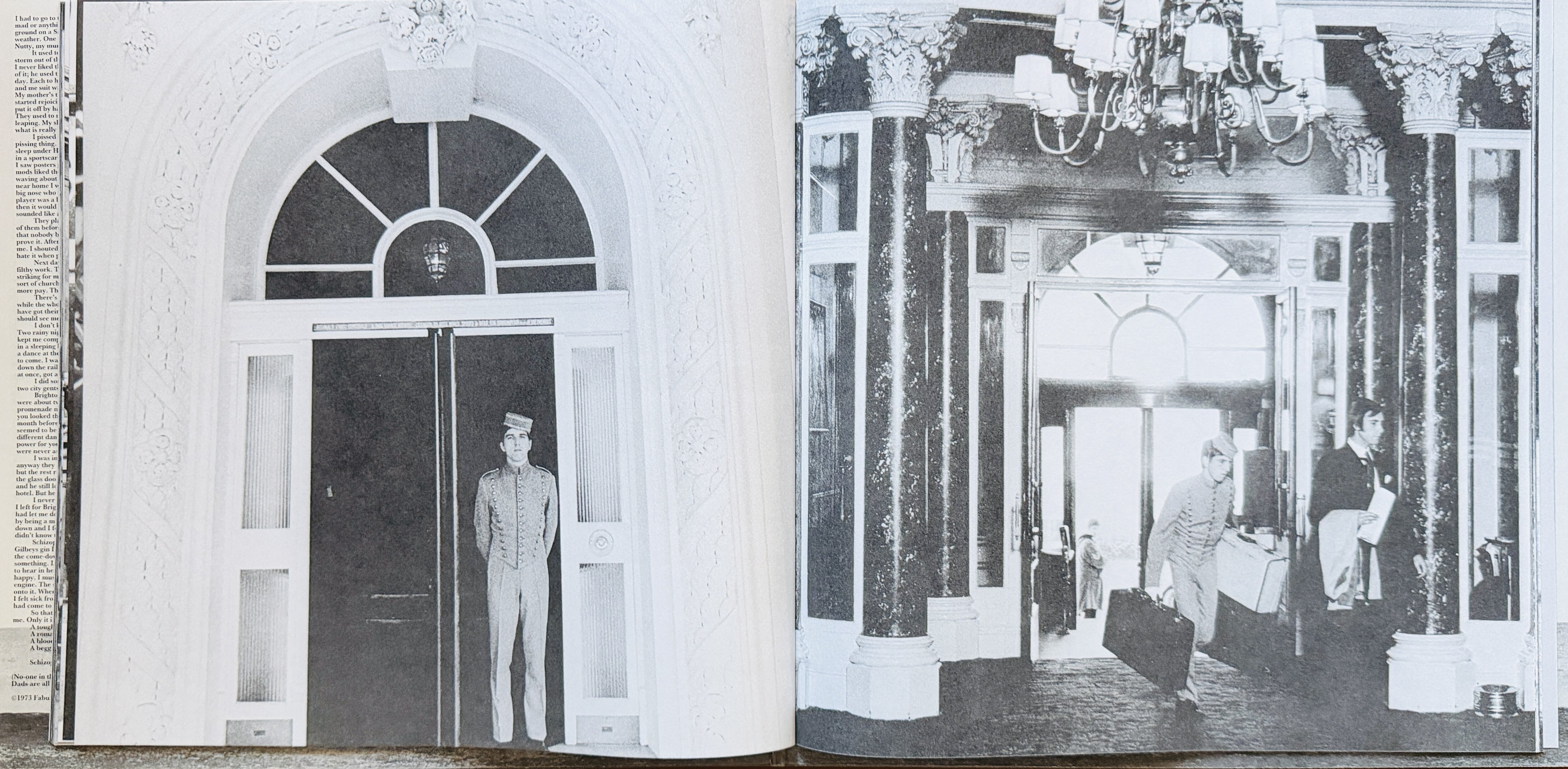
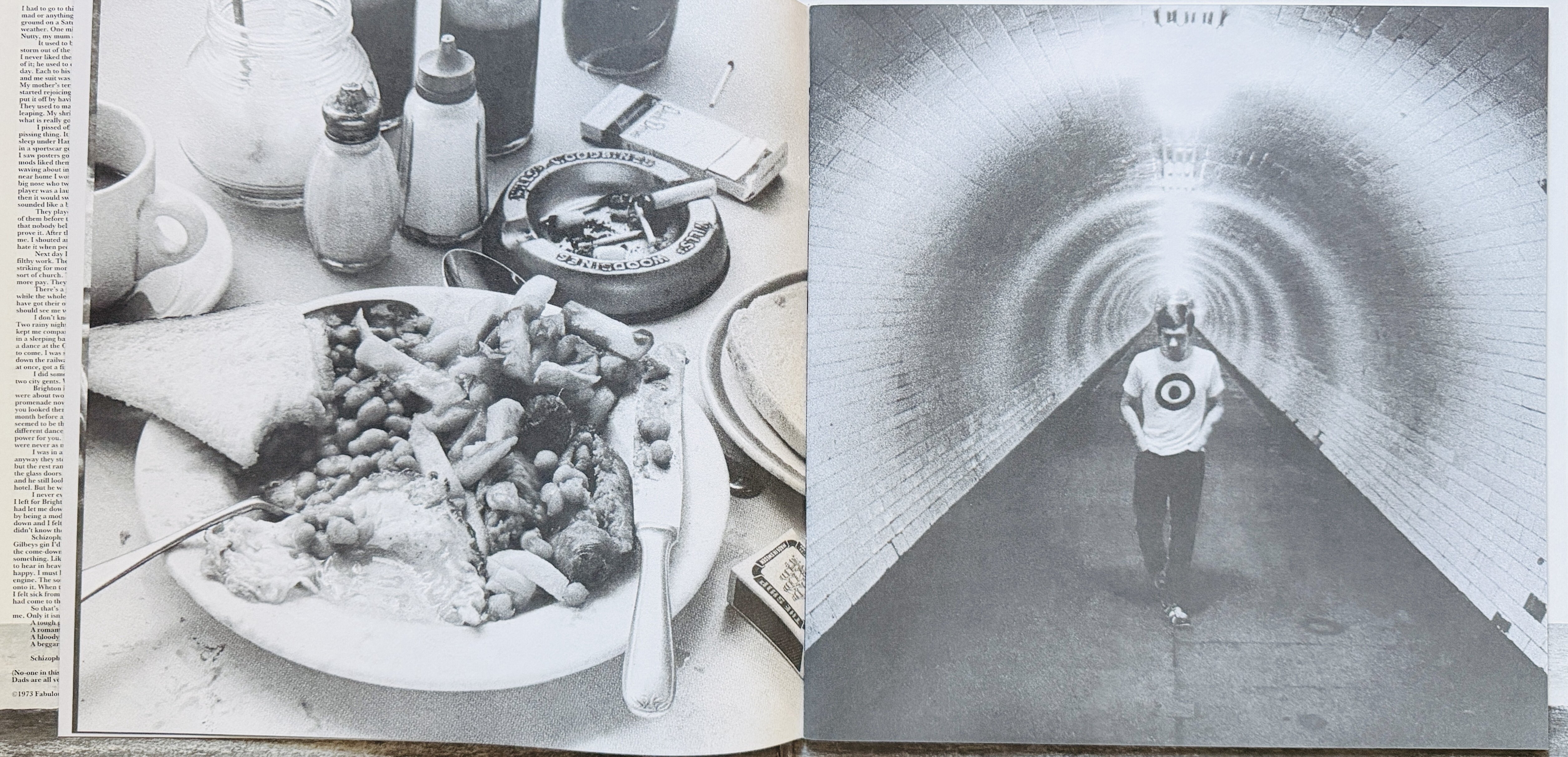
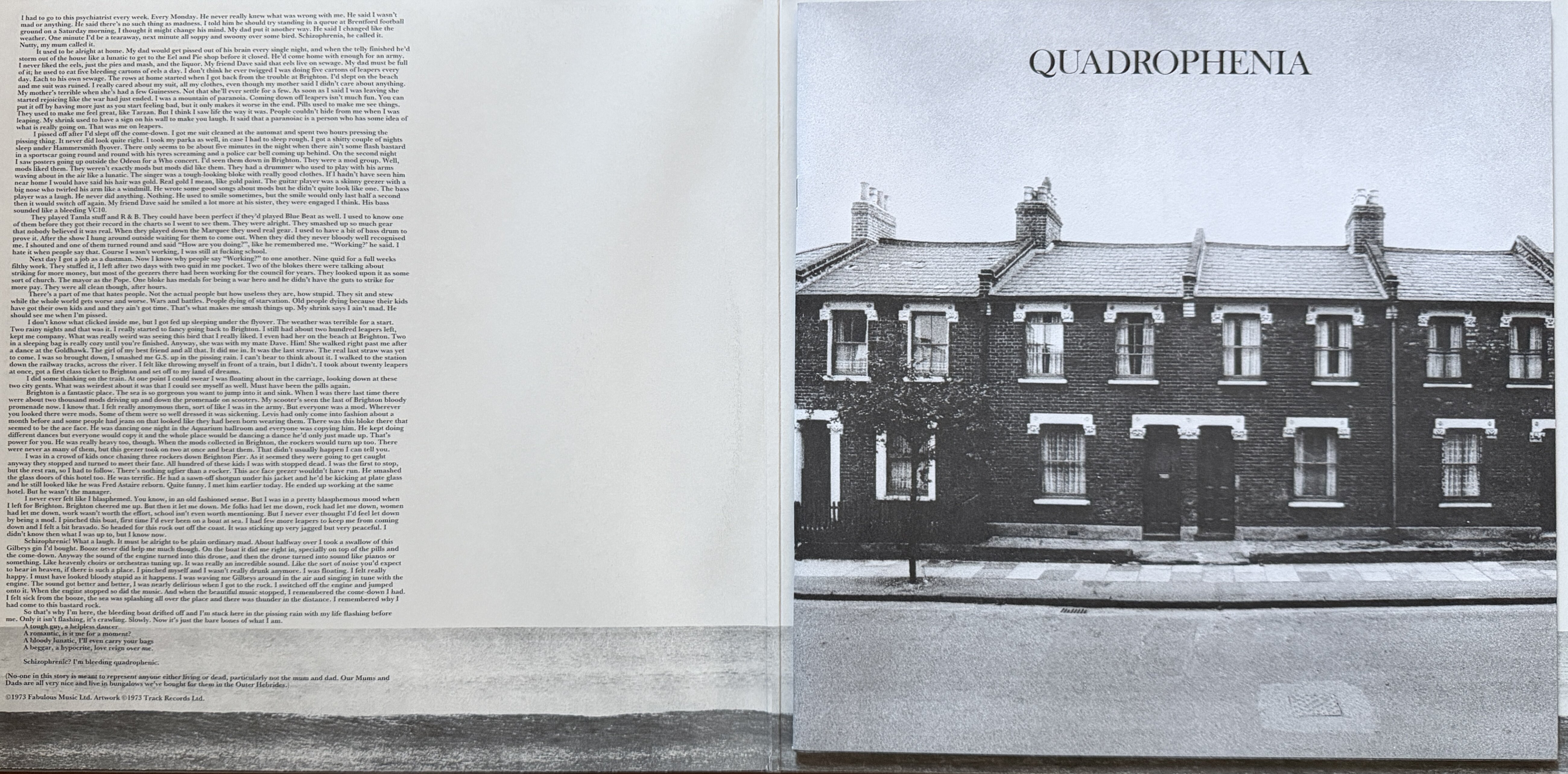
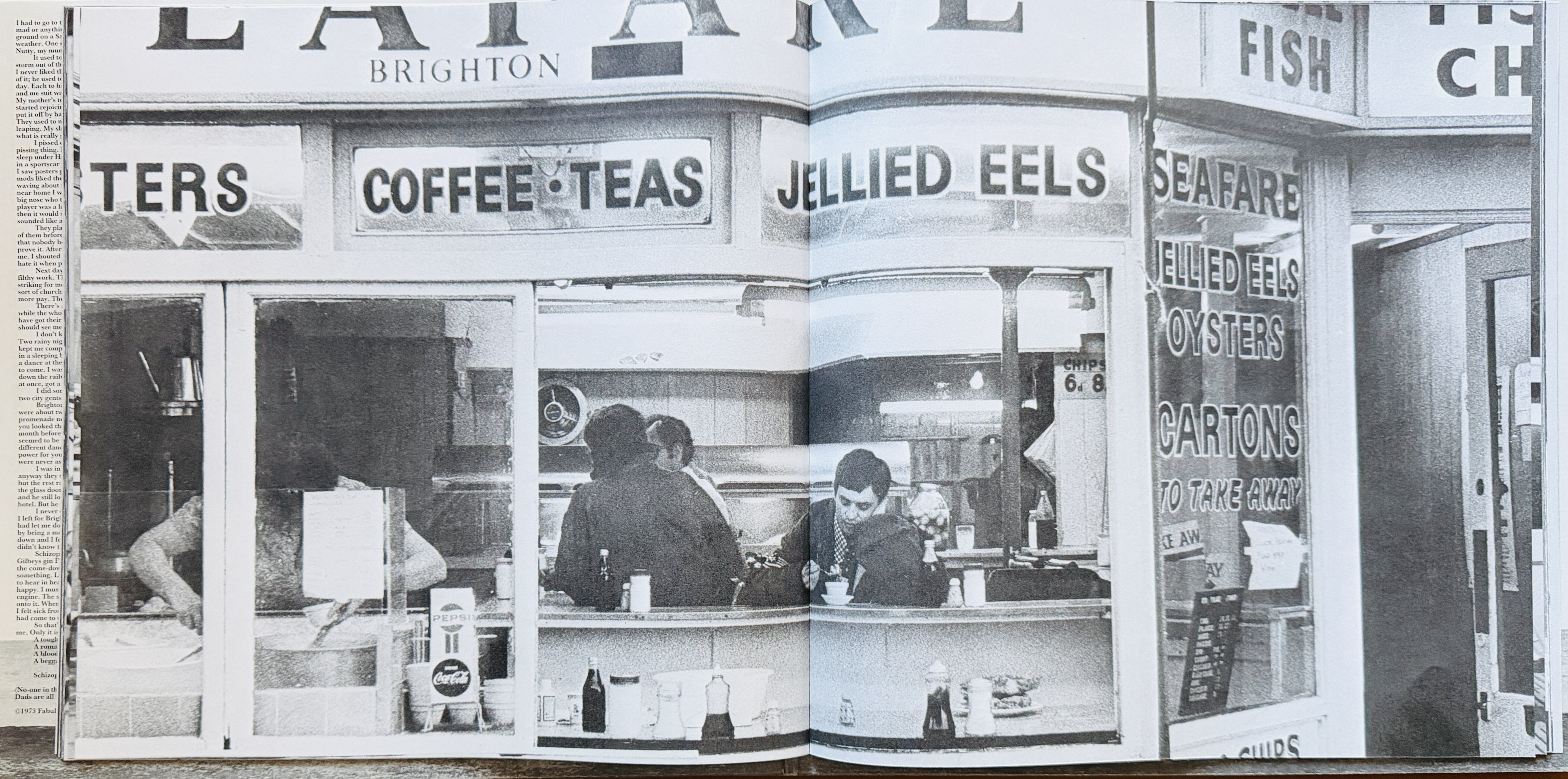
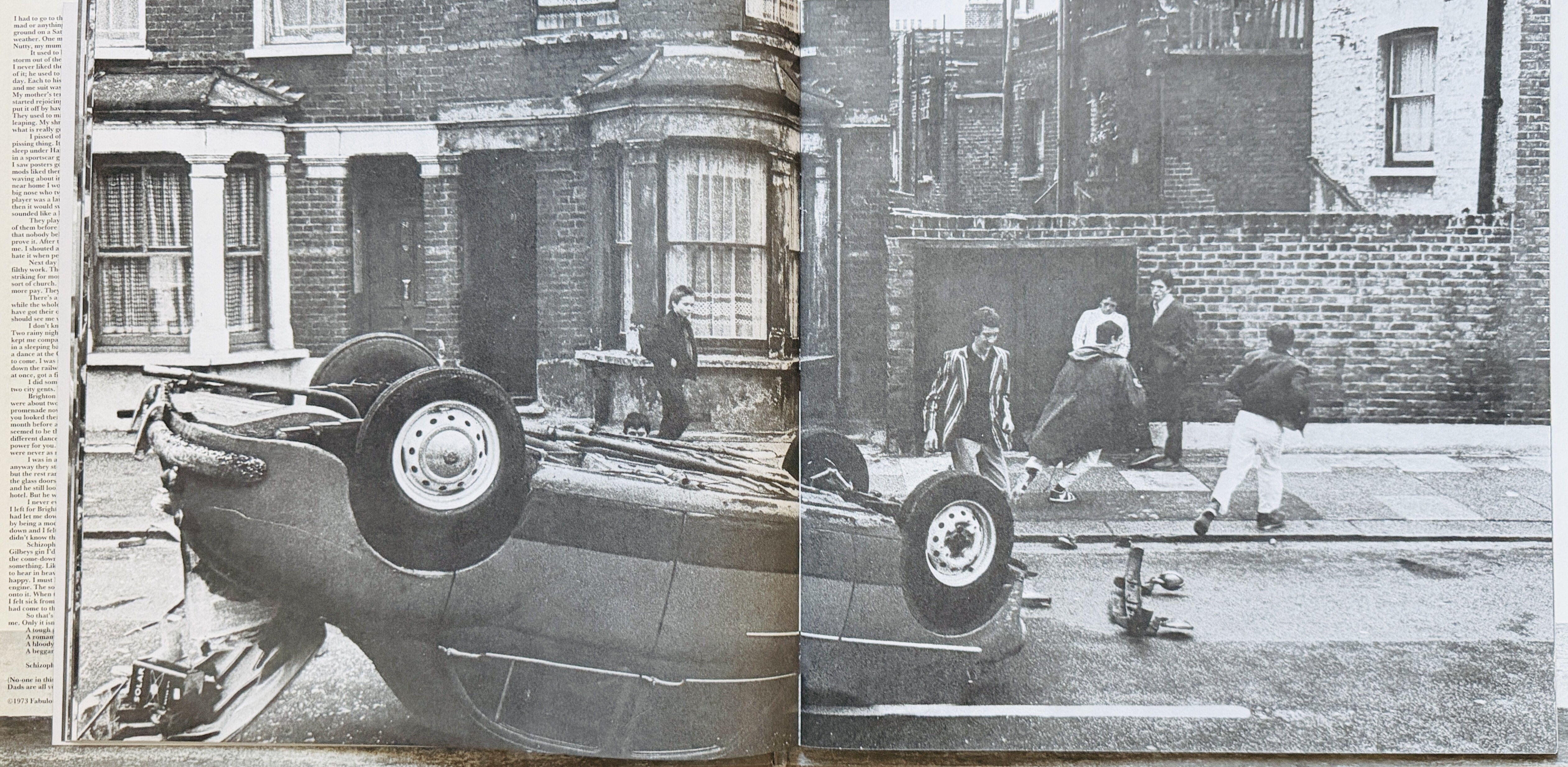
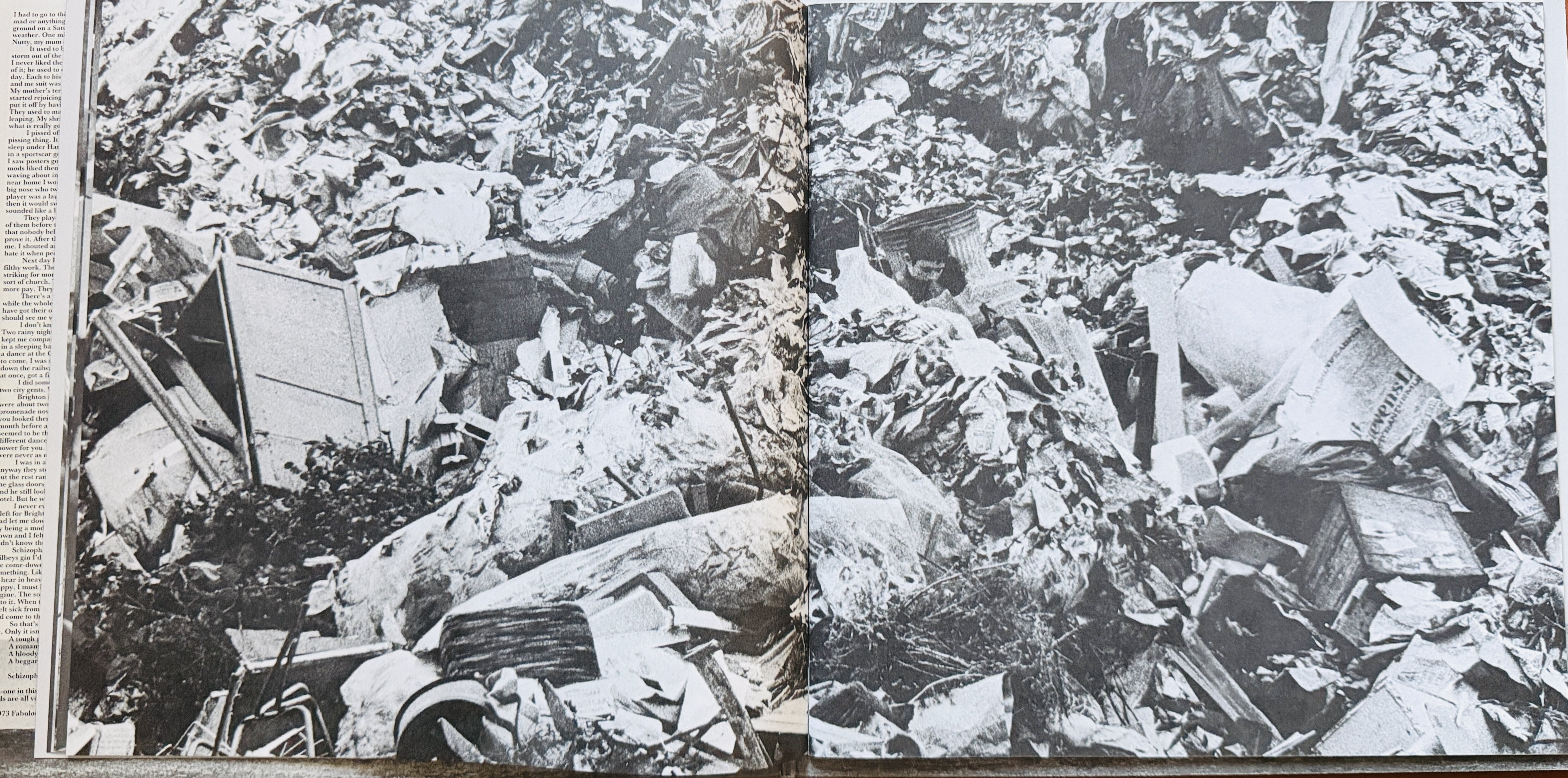
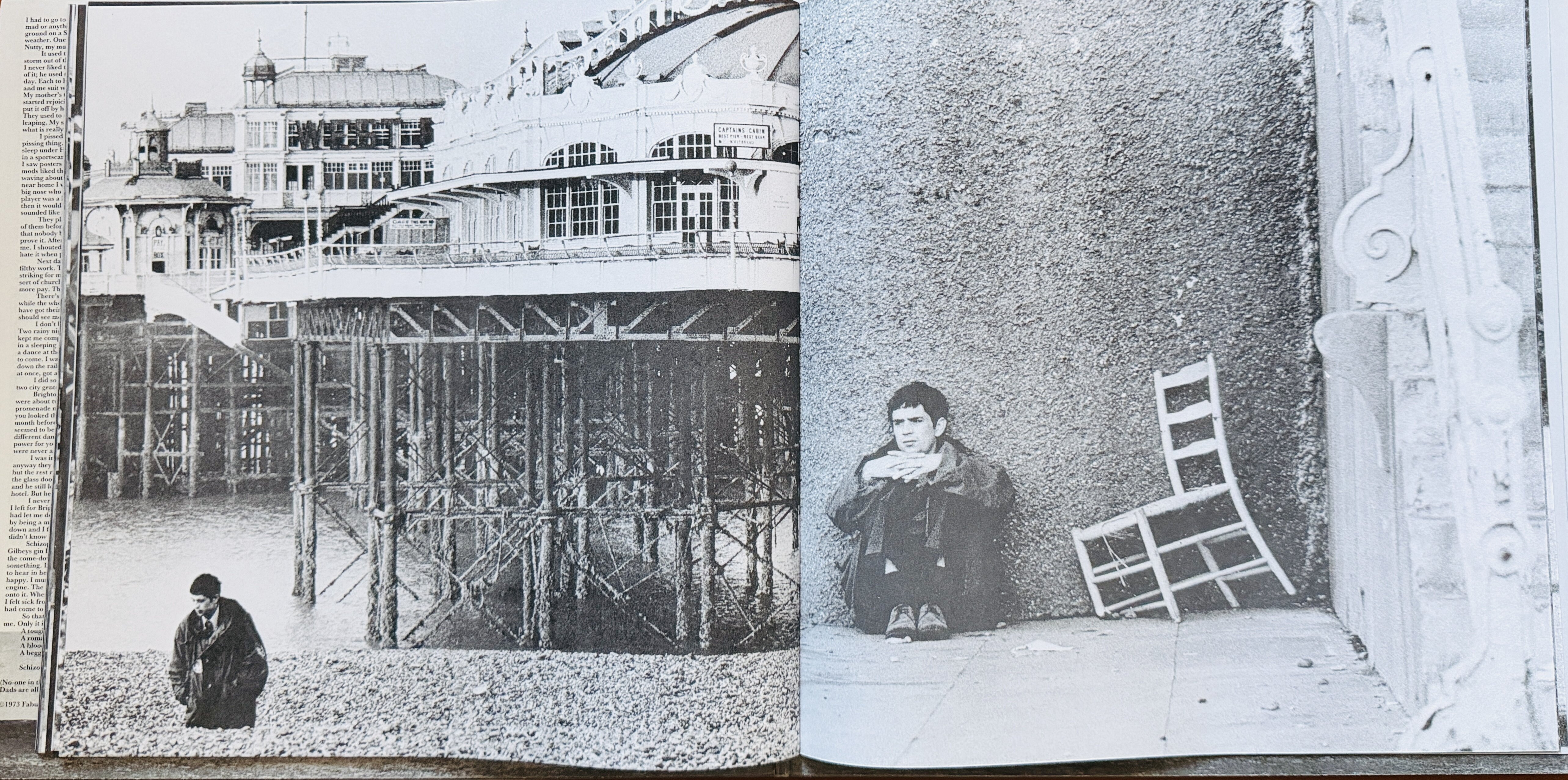
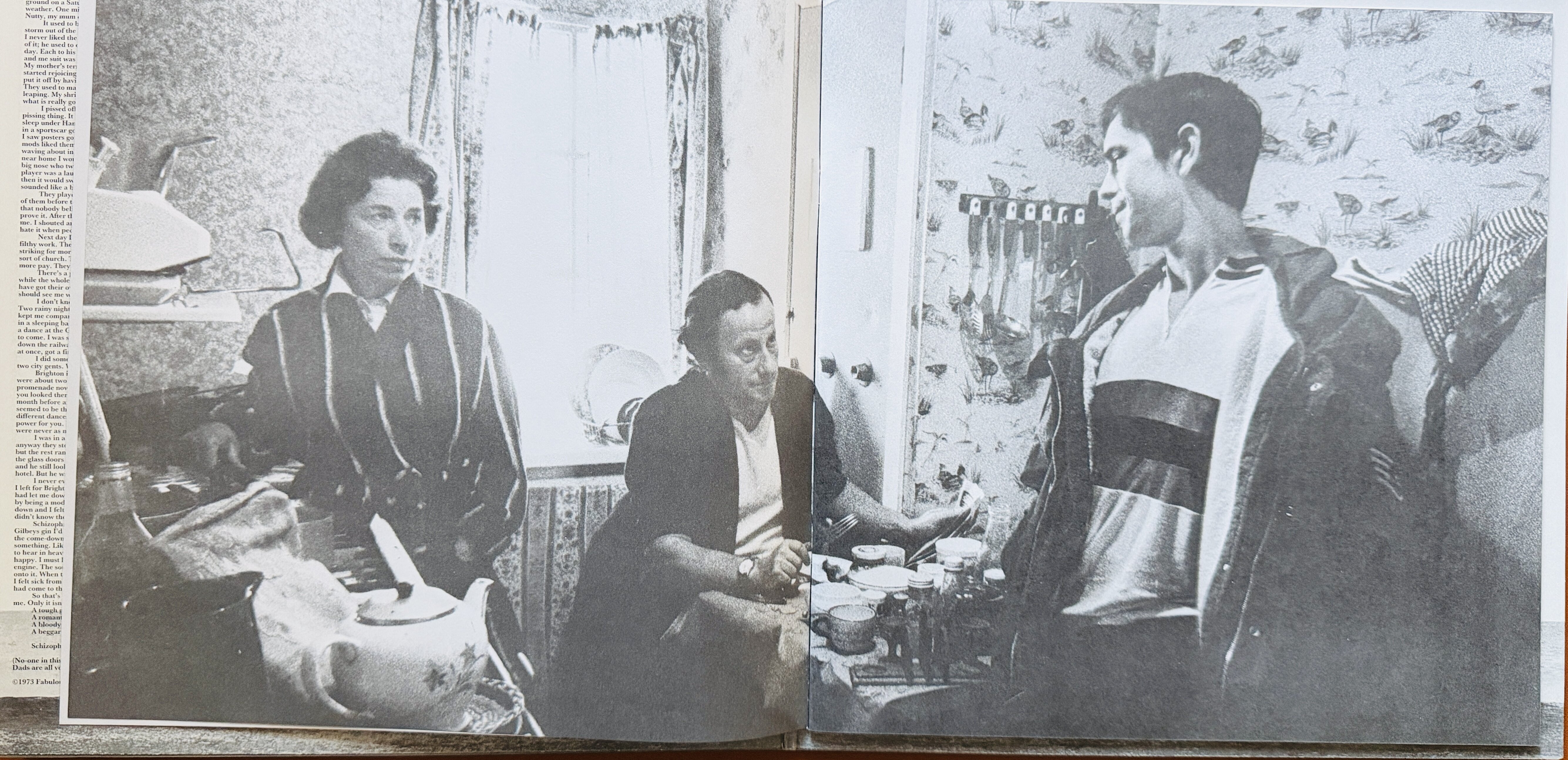
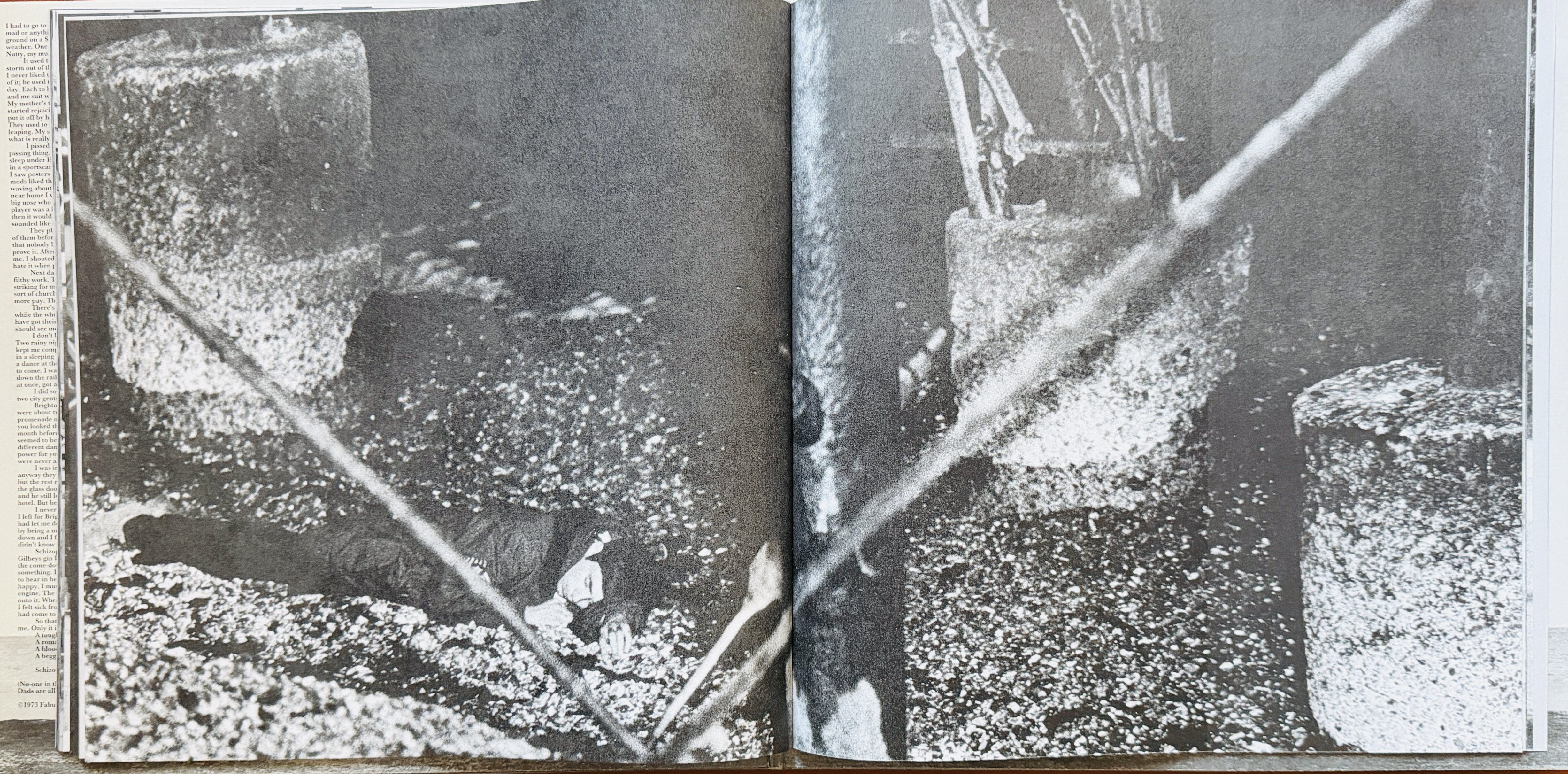
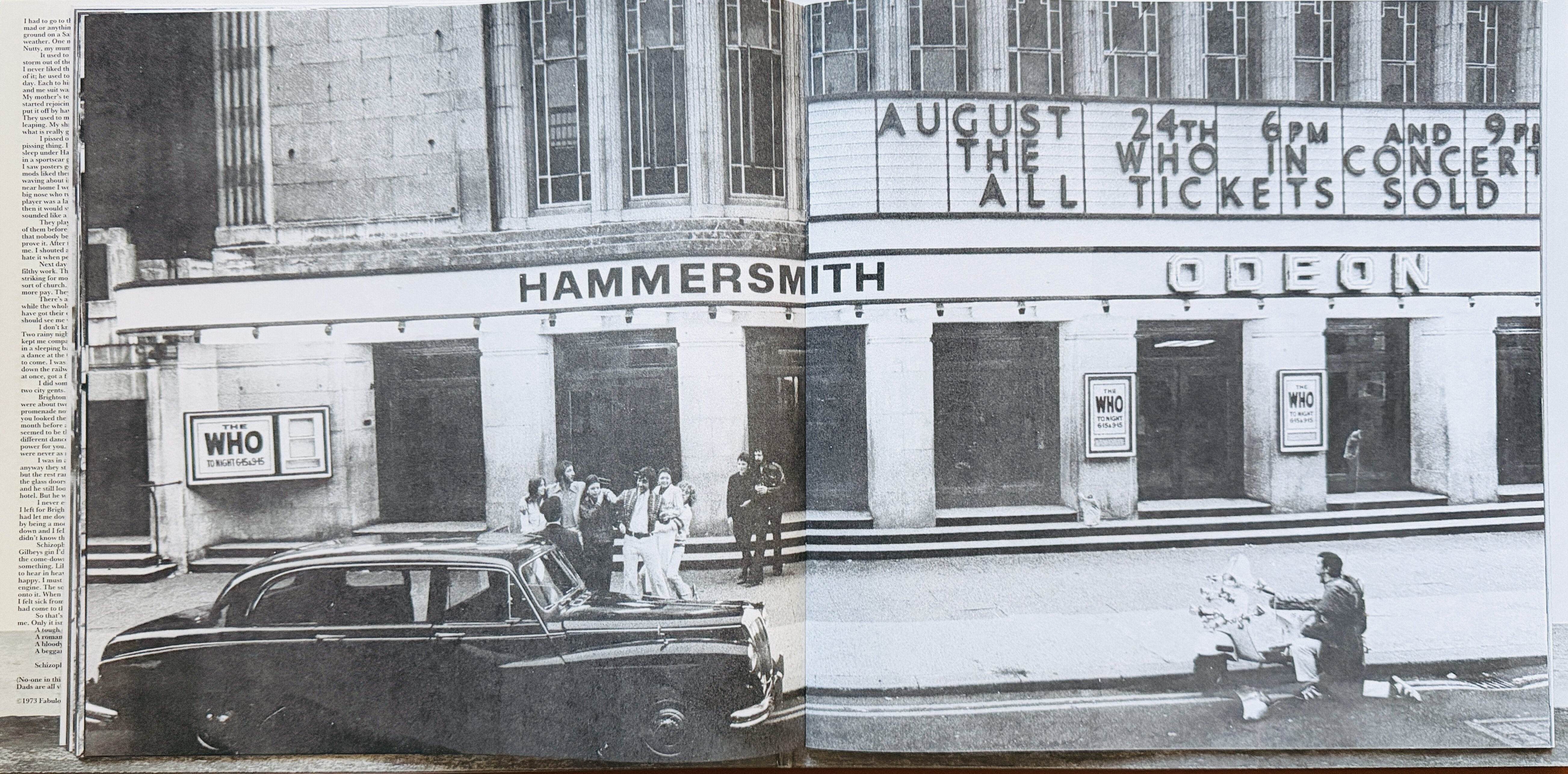
The internal photo booklet was monumental: 44 black-and-white pages. Hughes signed the cover, while the inside shots were taken by the famous photographer Ethan Russell, who worked closely with Pete Townshend to create a visual narrative that intertwined with the music.
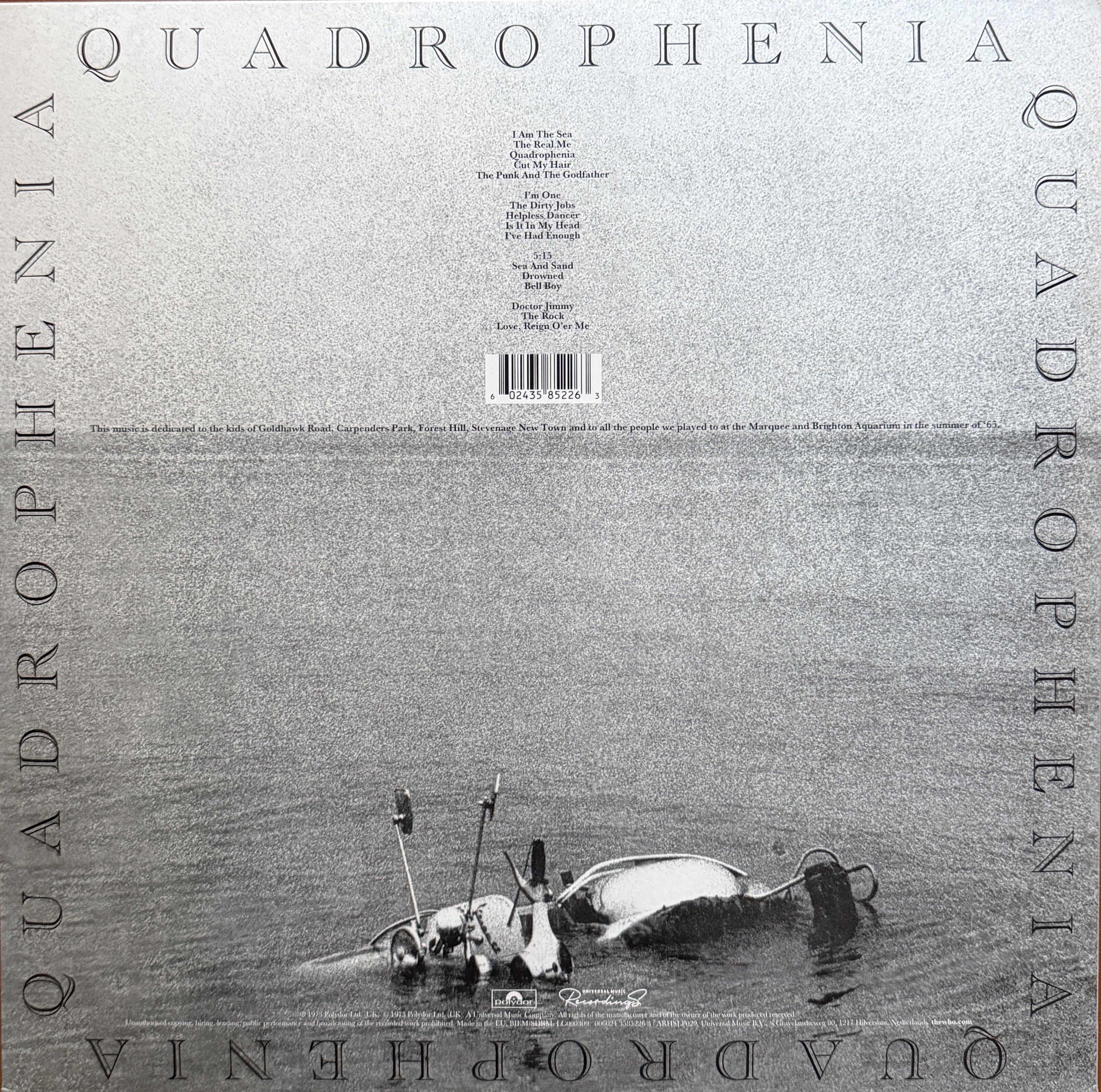
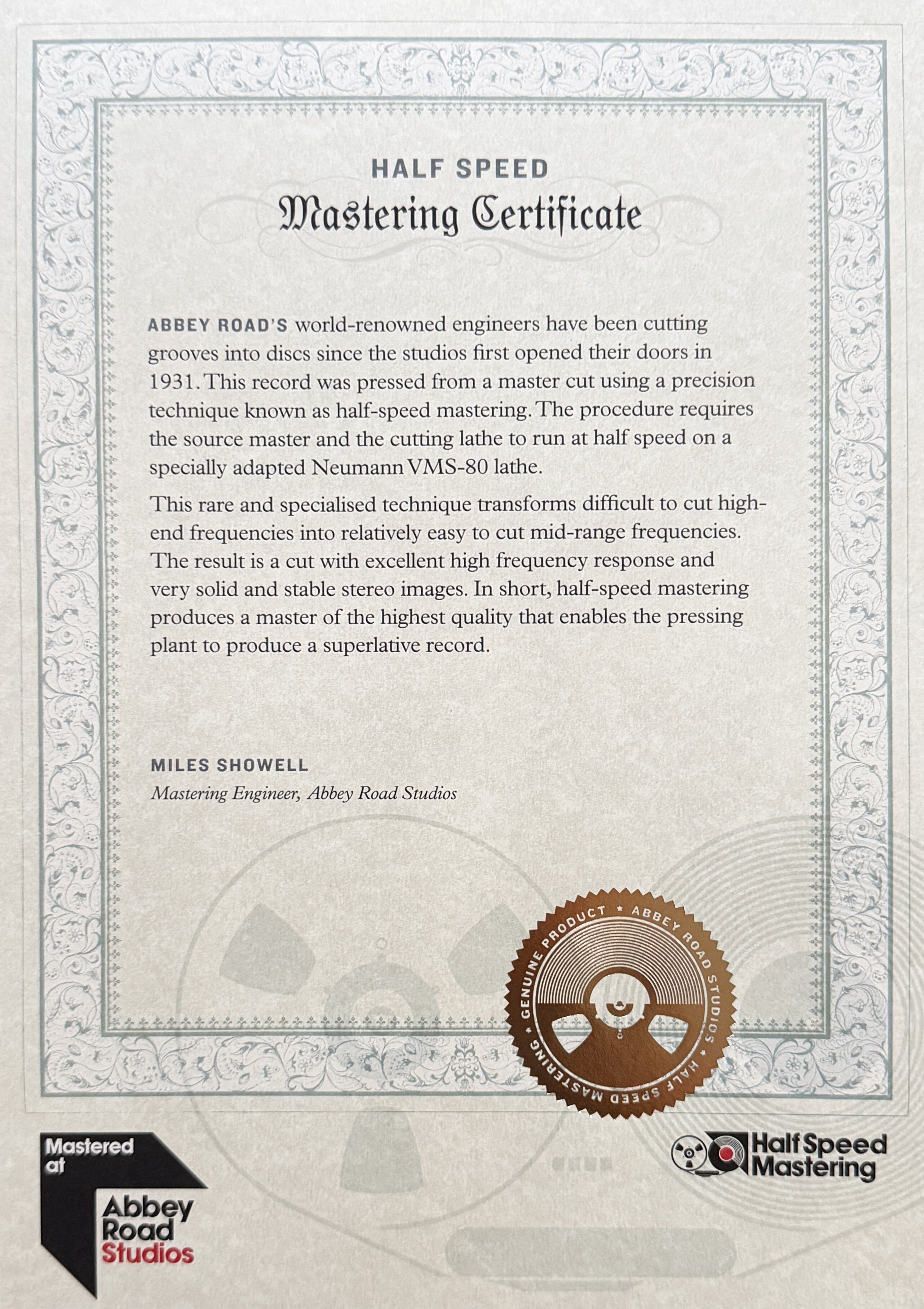
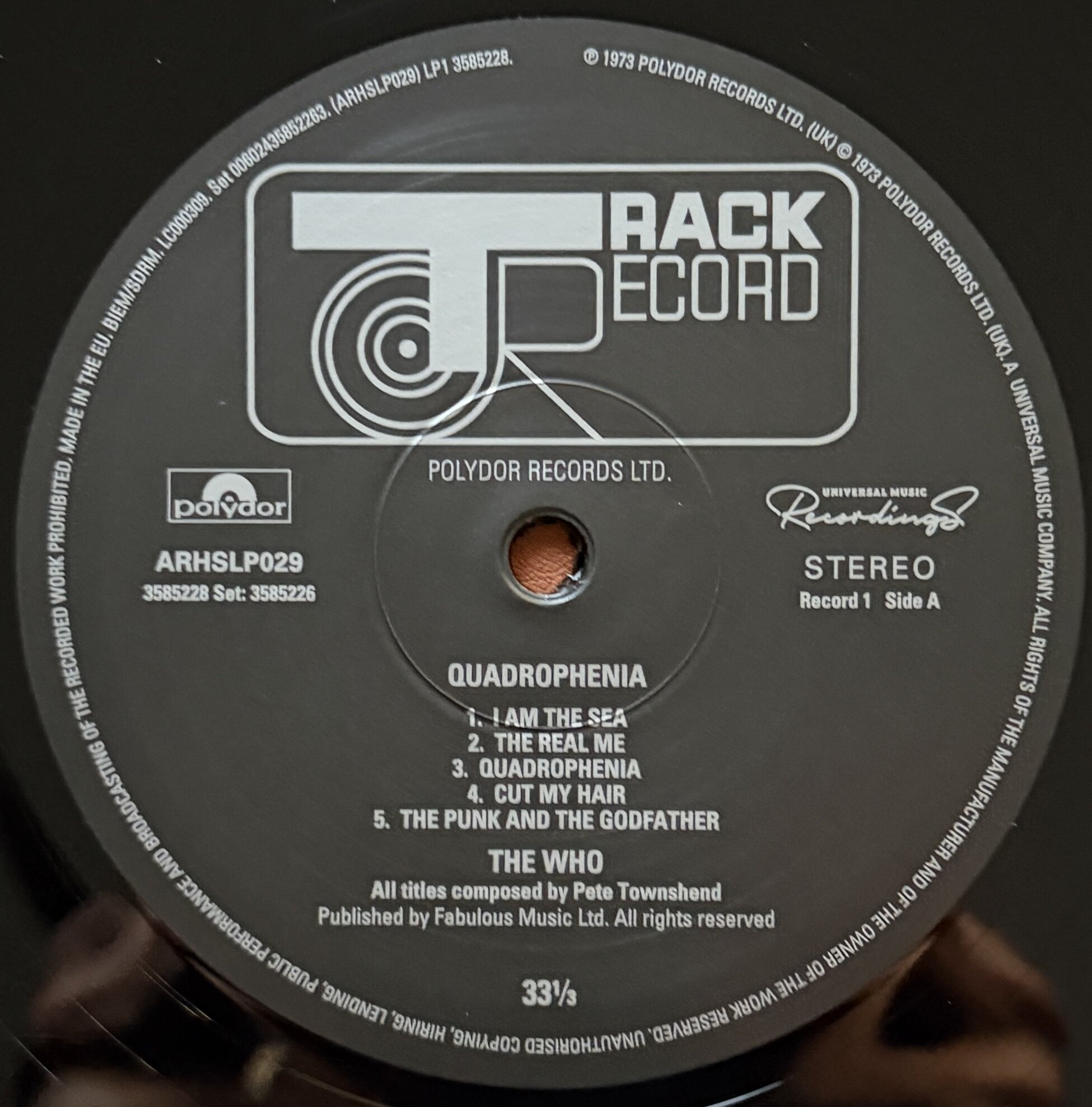
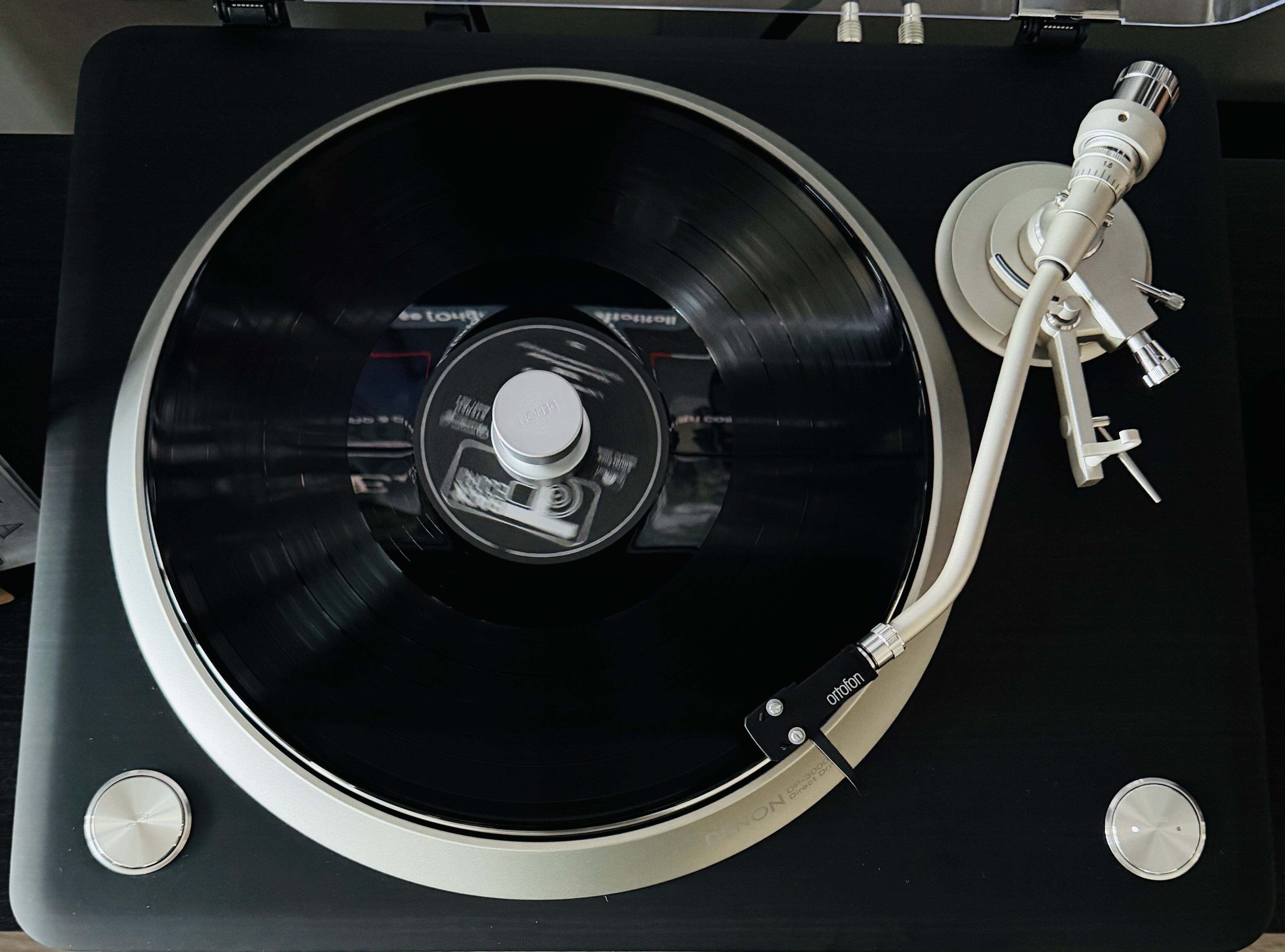
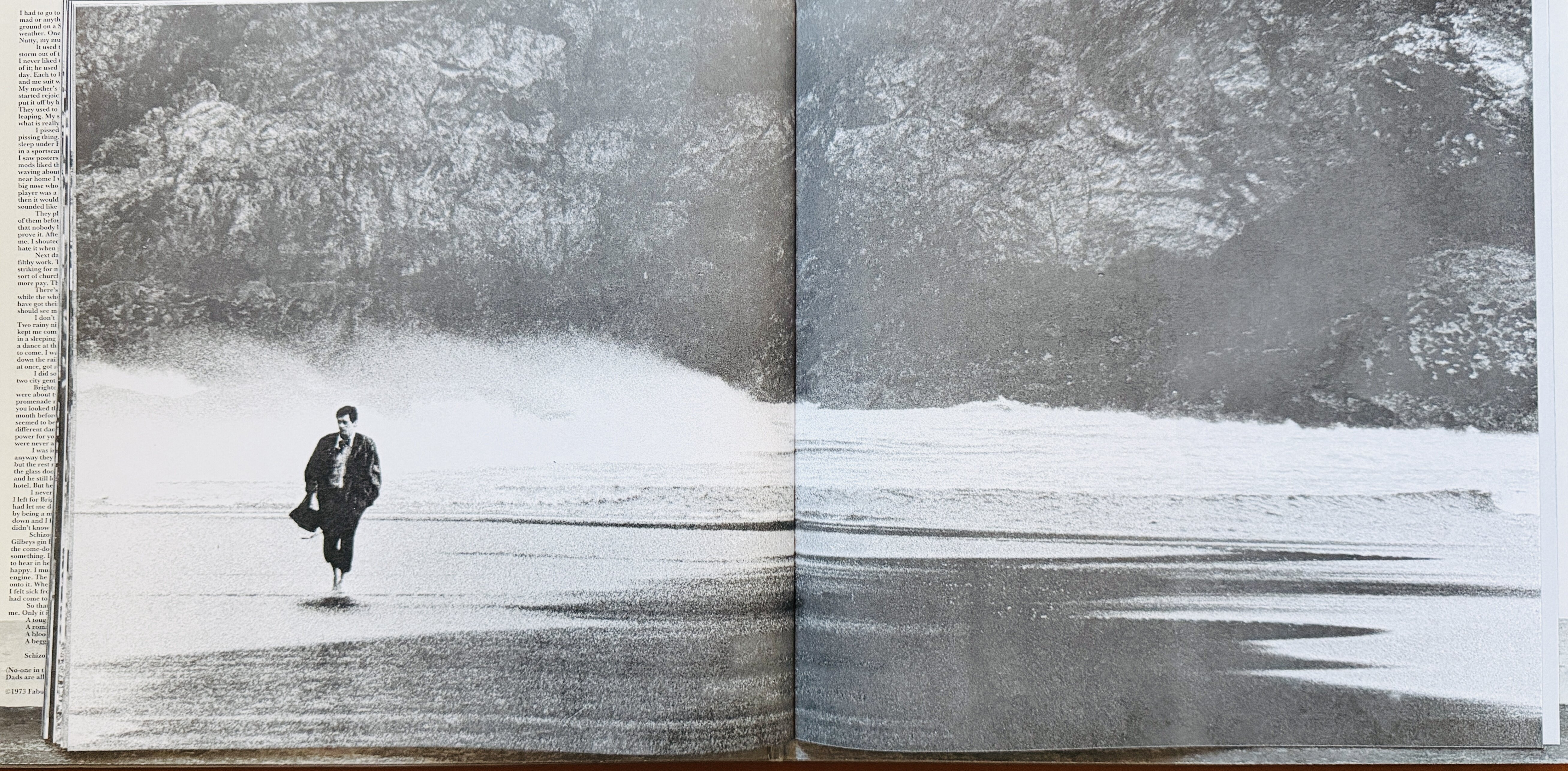
The booklet wasn’t just a list of lyrics, but a real photo-novel telling Jimmy’s story. Chad, walking through London’s wet streets, argues with his parents at dinner, takes pills, travels by train, and clashes with the Rockers during the Brighton events. The last photo in the booklet shows Jimmy walking proudly in the rain toward the cliffs, creating a visual link with the powerful final track “Love, Reign O’er Me”. This rich visual component helped Townshend enable the audience to fully grasp the complex story and the work’s social context, well before it became the famous 1979 film. My 2024 version, a splendid reissue on double 180-gram black vinyl with half-speed mastering done at Abbey Road Studios, preserves exactly the original 1973 cover and design.
Clearly, Quadrophenia isn’t a progressive rock album in the strict sense of the term, even though it is a rock work, hard rock or rather, a rock symphony. Quadrophenia is symphonic and electronic hard rock, a powerful yet melancholy album, where the force of the drums and guitars is balanced by the loneliness evoked by the synthesizers and the sound of the sea.
An essential masterpiece that absolutely deserves to be heard.
.jpeg "Tommy by The Who")