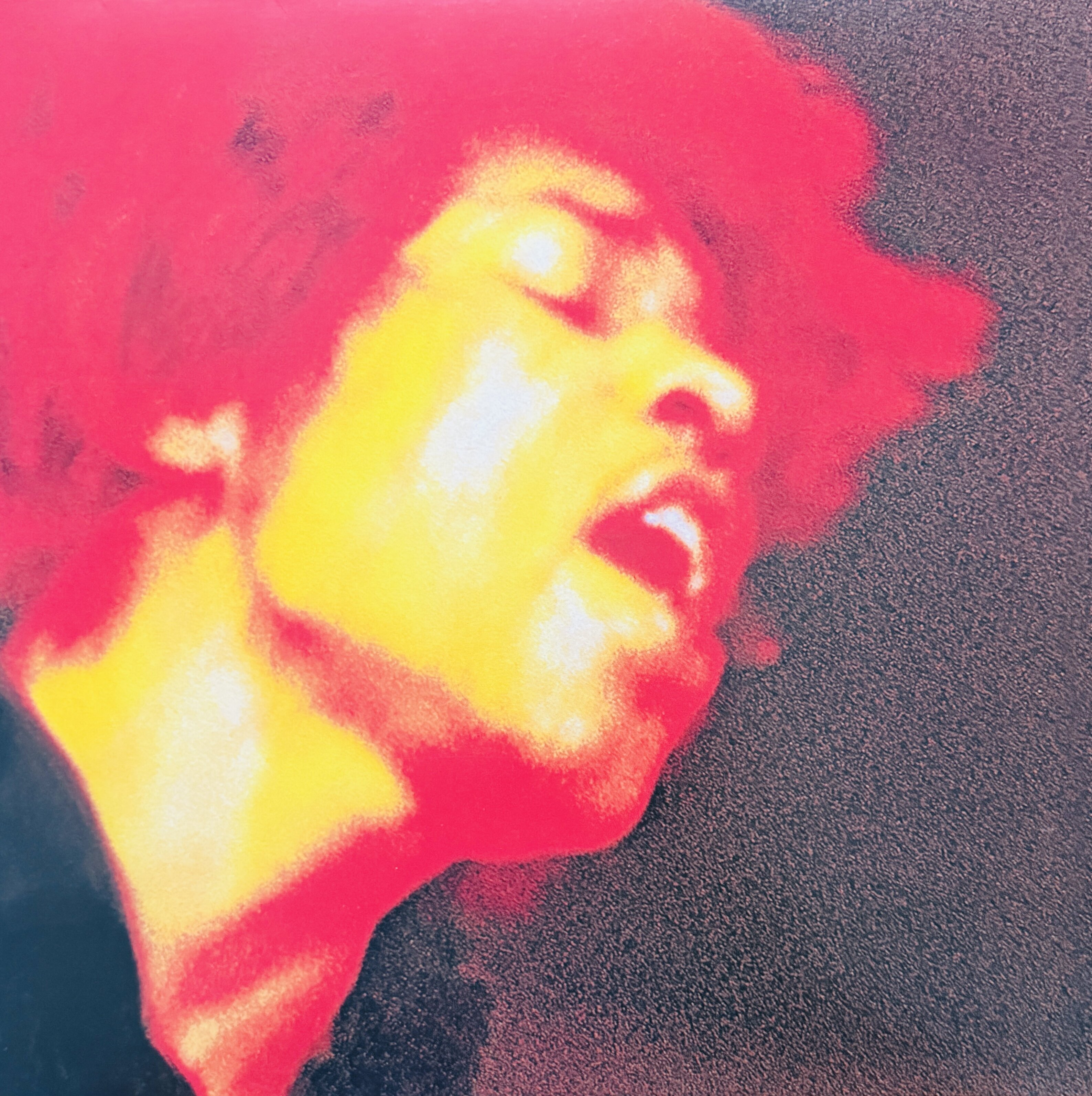
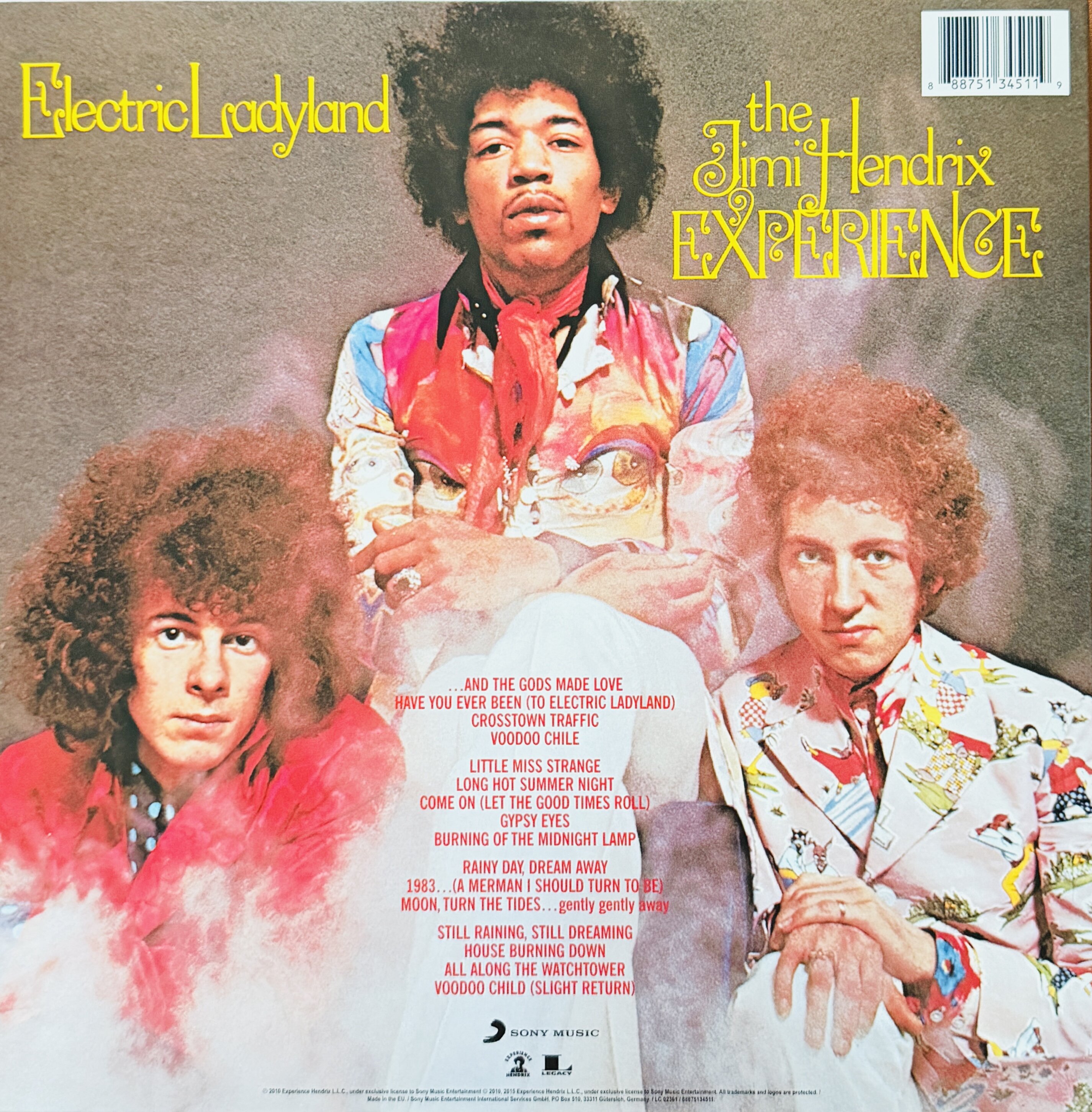
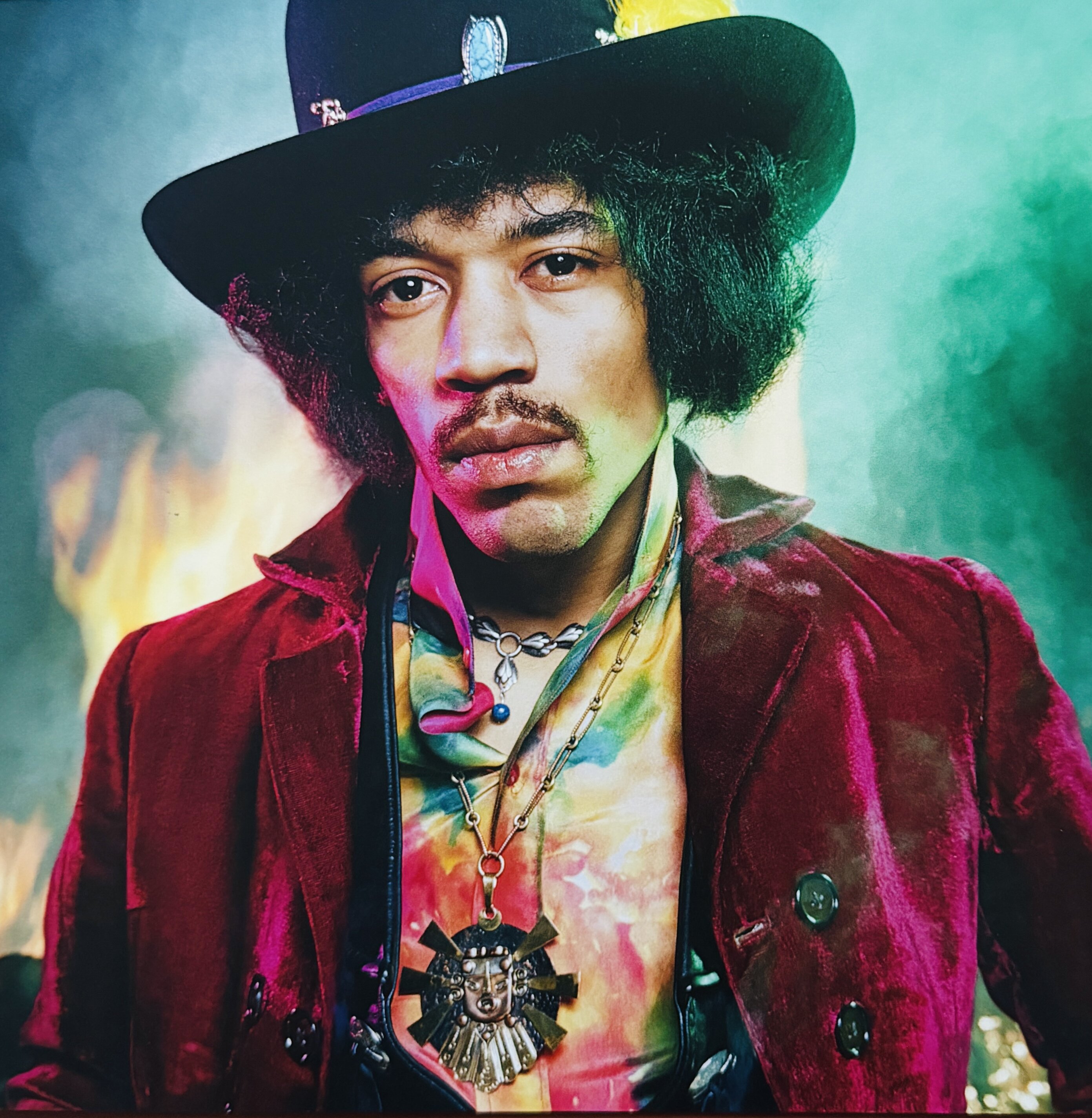
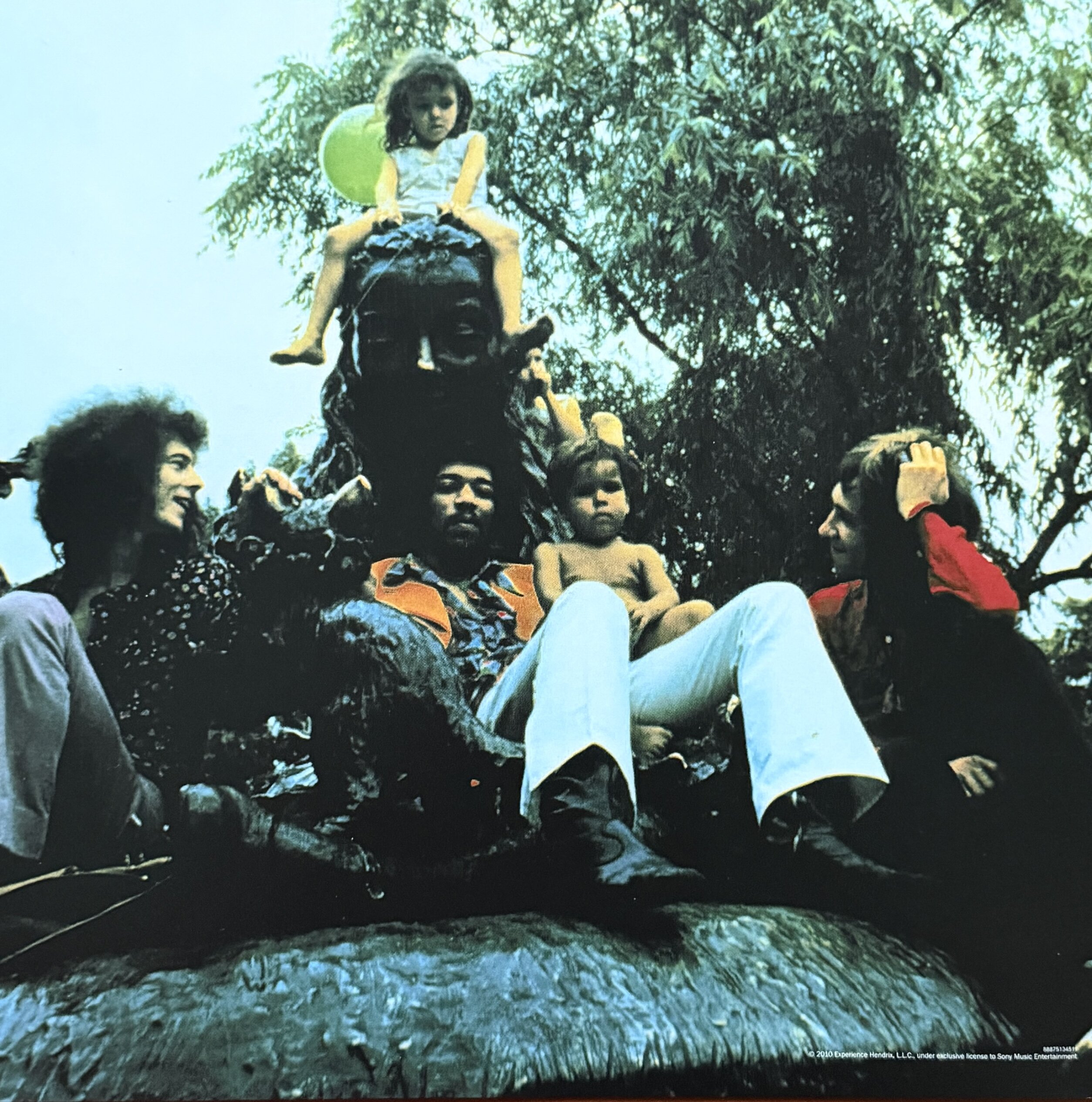
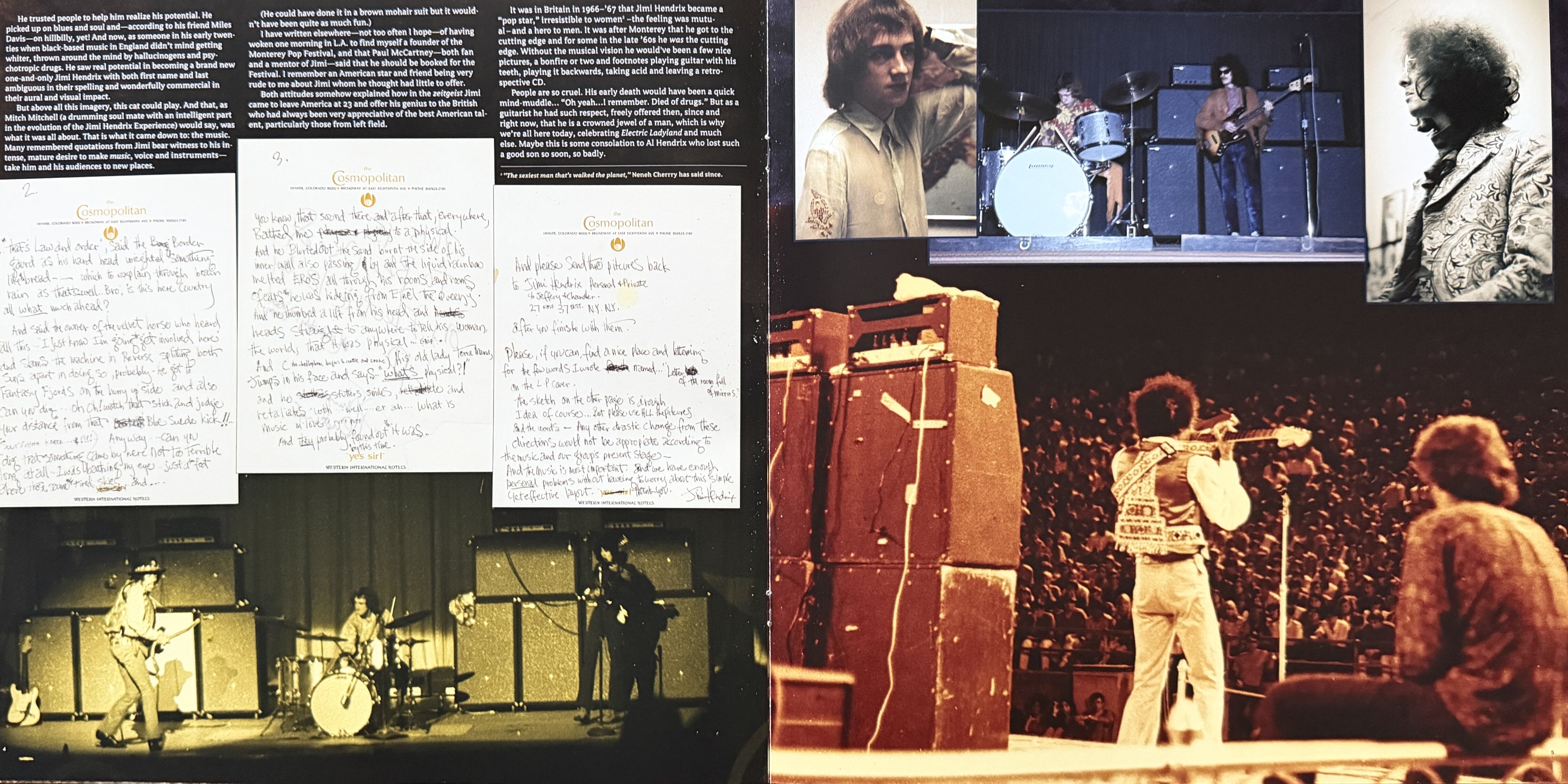
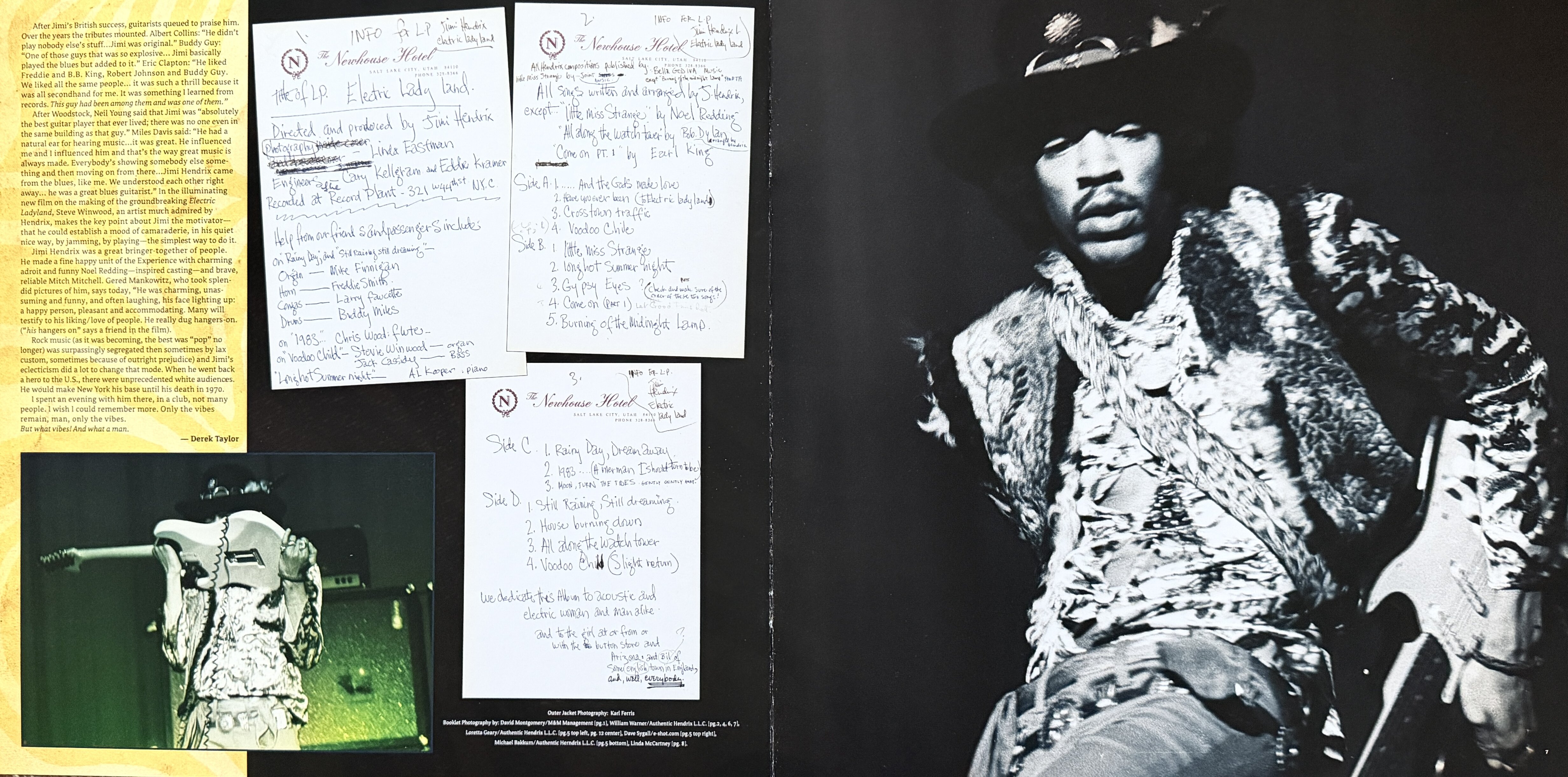
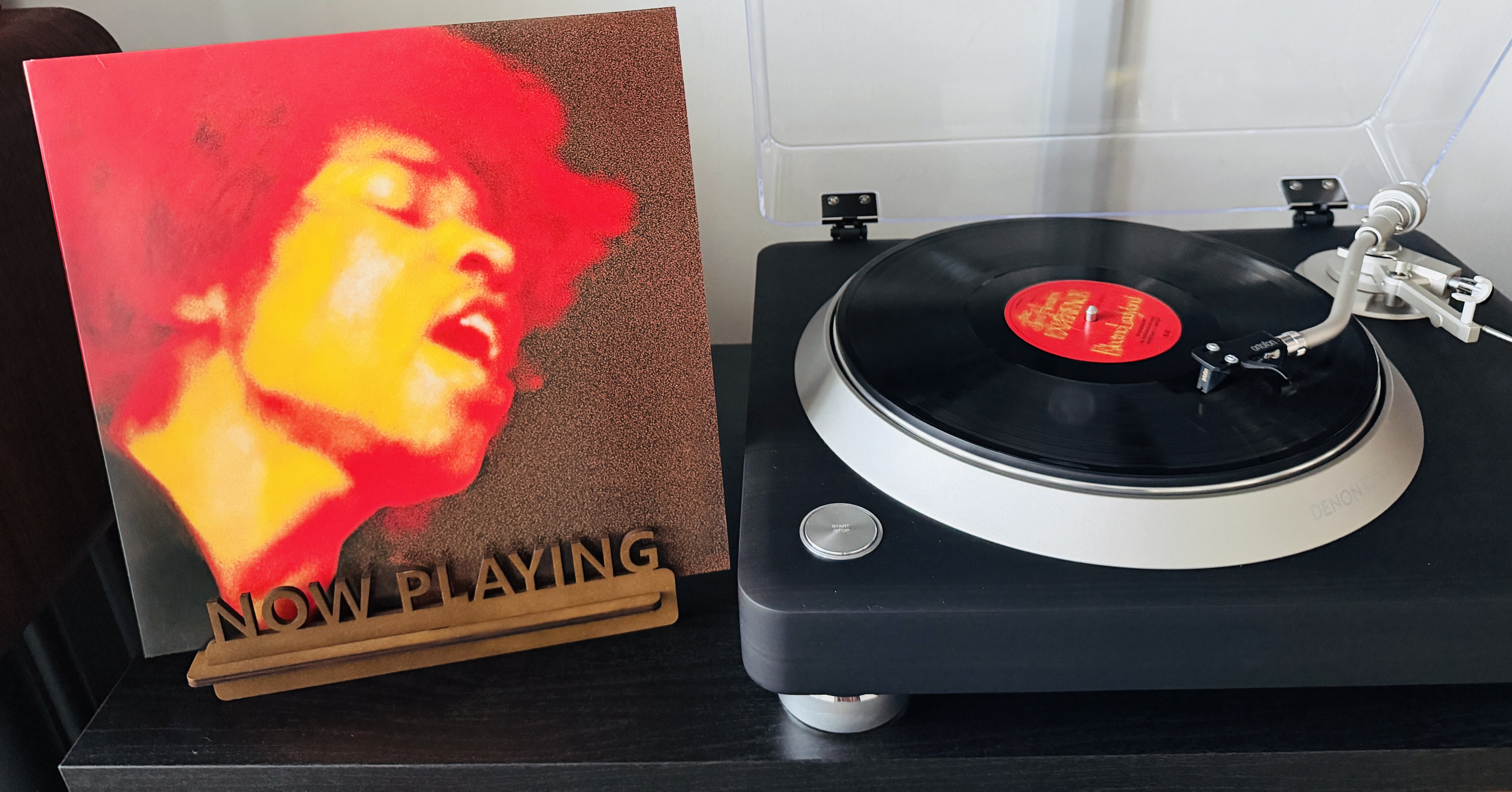
Not Only Prog: Electric Ladyland by The Jimi Hendrix Experience, a 1968 album.
Electric Ladyland is a true masterpiece of psychedelic rock, blending blues, funk and studio experimentation.
The story of Electric Ladyland is full of interesting anecdotes. Jimi Hendrix, with his perfectionism, wanted to take care of every tiny detail of the album. There were also some personal tensions, but above all it was a time of great innovation in studio recording techniques. The album was recorded between July 1967 and August 1968, between London and the new Record Plant studios in New York.
It was the first album where Hendrix took the artistic reins of his music, deciding everything on his own and leaving his longtime manager and producer, Chas Chandler, to watch.
In the previous sessions, Chas Chandler had kept a tight pace with compact, fast songs. For Electric Ladyland, though, Jimi Hendrix decided to let go and explore new possibilities, without worrying too much about time or style.
This dedication, combined with the studio bustle, always packed with friends, groupies and guest musicians invited by Jimi, eventually led Chas Chandler to leave the sessions halfway through the record, allowing Hendrix to finish his project as he saw fit.
The bassist too, Noel Redding, found the atmosphere chaotic and the pace too relentless. Often frustrated by delays and busy with his side project, the Fat Mattress, Redding couldn’t take part in all the sessions. Hendrix then got to work and personally played the bass lines on several key tracks on the album, like “Long Hot Summer Night”, “1983…” and the famous Bob Dylan cover “All Along the Watchtower”.
Hendrix, together with the legendary sound engineers Eddie Kramer and Gary Kellgren, used the Record Plant’s 12-track mixing desk to push beyond the limits of sound. They experimented with innovative effects like flanging, phasing, tapes recorded backwards and distorted stereo echoes. Also, the open structure of the sessions encouraged the birth of memorable jam sessions. For example, on “Voodoo Chile”, Hendrix invited Steve Winwood of Traffic on organ and Jack Casady of Jefferson Airplane on bass for a 15-minute blues improvisation.
The official lineup broke up right during these sessions. Jimi opened the studio to many guests, turning the record into a group project.
Jimi Hendrix: Vocals, guitars, bass (on several songs), harpsichord, kazoo and percussion.
Noel Redding: Bass (only on a few tracks, like “Crosstown Traffic” and “Burning of the Midnight Lamp”), backing vocals and lead vocal/acoustic guitar on the song he wrote, “Little Miss Strange”.
Mitch Mitchell: Drums, percussion and backing vocals. His jazzy style remained the beating heart of the groove, perfect for following Jimi’s improvisations.
Here are the prestigious guests:
Steve Winwood (Traffic): Hammond organ on "Voodoo Chile".
Jack Casady (Jefferson Airplane): Bass on "Voodoo Chile".
Al Kooper: Piano on "Long Hot Summer Night".
Chris Wood (Traffic): Flute on "1983... (A Merman I Should Turn to Be)".
Buddy Miles: Drums on "Rainy Day, Dream Away" and "Still Raining, Still Dreaming" (foreshadowing the future Band of Gypsys).
Electric Ladyland is a true masterpiece of psychedelic rock, a record that revolutionized the way the recording studio was conceived, turning it into a musical instrument in its own right. The album is a perfect, fluid blend of different genres, each helping to create a unique, gripping sonic experience.
Take “Voodoo Chile”, for instance: a full 15-minute track that captures the essence of stretched-out psychedelic blues. A live-in-the-studio jam session, where traditional Delta blues expands toward infinity, thanks to powerful distortion and a jazzy improvisation that travels among the stars.
Then there are tracks like “Voodoo Child (Slight Return)” and “Crosstown Traffic”, which laid the groundwork for ’70s hard rock and funk-rock. Monumental guitar riffs, backed by the innovative use of the Wah-Wah pedal, create a powerful, compelling sound.
But Electric Ladyland isn’t only hard rock and funk. Songs like “Crosstown Traffic” and “Burning of the Midnight Lamp” show Hendrix’s more pop and experimental side. Catchy melodies intertwine with quirky arrangements, like the kazoo made with tissue paper and a comb that doubles the guitar on “Crosstown Traffic”.
And then there’s the suite “1983… (A Merman I Should Turn to Be)”, a sonic journey into ambient and avant-garde soundscape. By manipulating tapes, using flanging and feedback, Hendrix creates an underwater, sci-fi sound world, a one-of-a-kind experience that transports the listener into another dimension.
Unlike the first two records, Electric Ladyland has a three-dimensional, stereophonic sound, designed specifically for headphone listening. Sounds physically move from one channel to the other, creating an immersive, engaging experience that makes you feel an integral part of the music.
Electric Ladyland is a crazy album, to be listened to in one go, but there are tracks that truly stand out and that changed rock forever and the use of the electric guitar.
“All Along the Watchtower”, a cover where Hendrix took Bob Dylan’s acoustic folk song and turned it into an explosion of guitars, with four different solos, each with its own unique technique. Dylan was so impressed by Jimi’s version that he said it was the definitive one, and since then he has played the song live the way Hendrix does it.
“Crosstown Traffic”, is a super engaging hard-funk track, incredibly modern for its time. It’s famous for the main riff, where the electric guitar is “doubled” by a homemade kazoo Hendrix made with a comb and tissue paper to give the song an acidic, distinctive sound.
“Voodoo Child (Slight Return)”, the track that closes the album, is the perfect manifesto of the Jimi Hendrix sound. The opening is one of the most famous in rock history: a few muted notes with the Wah-Wah pedal creating an unmistakable groove. Recorded in just three takes the day after the Voodoo Chile jam, it combines lyrics full of voodoo mysticism with an energy and distortion that kicked off ’70s heavy metal and hard rock.
The big suites and experiments are there too, with “1983… (A Merman I Should Turn to Be)”. A sci-fi, pacifist suite of over 13 minutes, a musical journey telling the story of a man who, to escape a devastating world war, chooses to turn into a merman and live in the depths of the ocean. Musically, it’s the album’s most innovative piece: the use of flute, tapes recorded backwards (backwards loops) and stereophonic effects create a truly unique cinematic, underwater atmosphere.
And then there’s an absolute masterpiece, "Voodoo Chile" (not to be confused with the shorter, more famous "Voodoo Child (Slight Return)"), a colossal psychedelic blues of 14 minutes and 50 seconds, by far the longest studio track ever recorded by Jimi Hendrix, and it has an interesting story, like all masterpieces.
It’s the night of May 2, 1968 in New York. Jimi Hendrix, after a wild evening playing and drinking at the legendary Scene Club in Manhattan, decides to move the party to the nearby Record Plant studios. With him, a group of friends and fellow musicians, ready to keep the party going.
The band’s official bassist, Noel Redding, finds himself in the middle of a crowd that never ends. “It was a party, not a session,” he would recall later. And so he decides to go off to sleep, leaving room for an exceptional lineup:
• Jimi Hendrix: Vocals and electric guitar
• Mitch Mitchell: Drums (the only Experience member left)
• Steve Winwood: Hammond organ (a nineteen-year-old prodigy, leader of Traffic)
• Jack Casady: Electric bass (member of Jefferson Airplane)
Around 7:30 in the morning, with the studio still full of people chatting and applauding (the noises are clearly audible at the beginning and end of the track), Hendrix simply tells the band: “No chord charts—just play”. And that’s what they do. The track is recorded in very few attempts: the version we hear on the album is the third take. Even though it’s all improvised, the musicians follow each other beautifully, conversing through their instruments. As Jack Casady would recall: “It wasn’t a simple jam, there was a deep structure. We gave each other directions through the language of music”.
“Voodoo Chile” is a truly unique piece, taking classic blues and turning it into something completely new. The track’s atmosphere is mysterious and hypnotic, with a ghostly sound. Hendrix’s guitar is simply fantastic, moving between powerful chords and fluid solos, while Winwood’s Hammond organ adds a psychedelic touch that makes everything even more special.
The lyrics, too, are different from the usual blues. Hendrix launches into a mythological, magical journey, singing in the first person about being a creature born from voodoo. With lines like «Well, the night I was born / Lord I swear the moon turned a fire red» (“The night I was born, I swear the moon turned fire red”), he takes you into a world of fantasy and imagination.
The next day, May 3, 1968, an ABC TV crew went to the Record Plant to film the band in the studio. Winwood and Casady weren’t there, so Hendrix reunited with Noel Redding and Mitch Mitchell. To give the cameras something good to capture, Jimi picked up the main riff of “Voodoo Chile”, sped it up, cranked the distortion all the way and improvised a much harder, tighter, more aggressive version. And that’s how “Voodoo Child (Slight Return)” was born, the hard-rock track with the Wah-Wah intro that would close the album and make history.
Electric Ladyland is Jimi Hendrix’s last studio album. Sadly, Hendrix left us less than two years later, on September 18, 1970 in London, at just 27 years old. Even though he didn’t release other complete albums before his death, the period between 1968 and 1970 was packed with memorable events.
Hendrix gave the world some of his most legendary live performances, like the one at the Woodstock festival in 1969, where he played his iconic version of the American anthem, and at the Isle of Wight festival in 1970, just weeks before he died.
In 1969, he broke up The Jimi Hendrix Experience and formed a new funk-rock band, the Band of Gypsys, made up entirely of Black musicians: Billy Cox on bass and Buddy Miles on drums.
At the time of his death, Hendrix was working on a new ambitious studio album, a double or triple LP titled First Rays of the New Rising Sun. He had already recorded many tracks, which were later released in the following years across various posthumous albums thanks to his collaborators and family.
The death of Jimi Hendrix, which occurred on the morning of September 18, 1970 in London, is one of the most tragic and debated moments in rock history.
In the last weeks of his life, Jimi Hendrix was quite tired, stressed by some legal and contractual troubles, and suffered from severe chronic insomnia. On the night of September 17 he was in London in the apartment of his then girlfriend, German skater Monika Dannemann, inside the Samarkand Hotel, in the Notting Hill area. Trying to fall asleep after partying a bit and taking some substances, Hendrix took the girl’s sleeping pills, Vesparax. Unfortunately, not knowing the drug well, he took a huge dose: 9 tablets, eighteen times the recommended dose for a sleeping pill that was already very strong.
On the morning of September 18, Monika realized Jimi was unconscious but still breathing. Help was called late and Jimi was rushed to St. Mary Abbot’s Hospital, where he was sadly pronounced dead shortly after. The autopsy determined the cause of death was asphyxiation from choking on his vomit. The barbiturates had blocked his breathing reflexes, like coughing, preventing him from waking up or clearing his airways after vomiting, due to a dangerous mix of drugs and alcohol. The coroner concluded it was an accidental death due to acute barbiturate intoxication.
As often happens with music legends, his sudden passing gave rise to various speculations and conspiracy theories. One of the most widespread (but never proven) is that his manager, Michael Jeffery, had him killed to collect a life insurance policy, knowing Jimi wanted to fire him.
Some think of FBI involvement because of his support for the Black Panthers. In 1993, Scotland Yard reopened the investigation, but no new evidence emerged and they closed it quickly. Jimi was buried in Greenwood Memorial Park in Renton, near Seattle, his hometown.
Because of his premature death, he became one of the most famous members of the 27 Club, along with other artists of his generation such as Janis Joplin, Jim Morrison and Brian Jones.
A myth, an essential record.
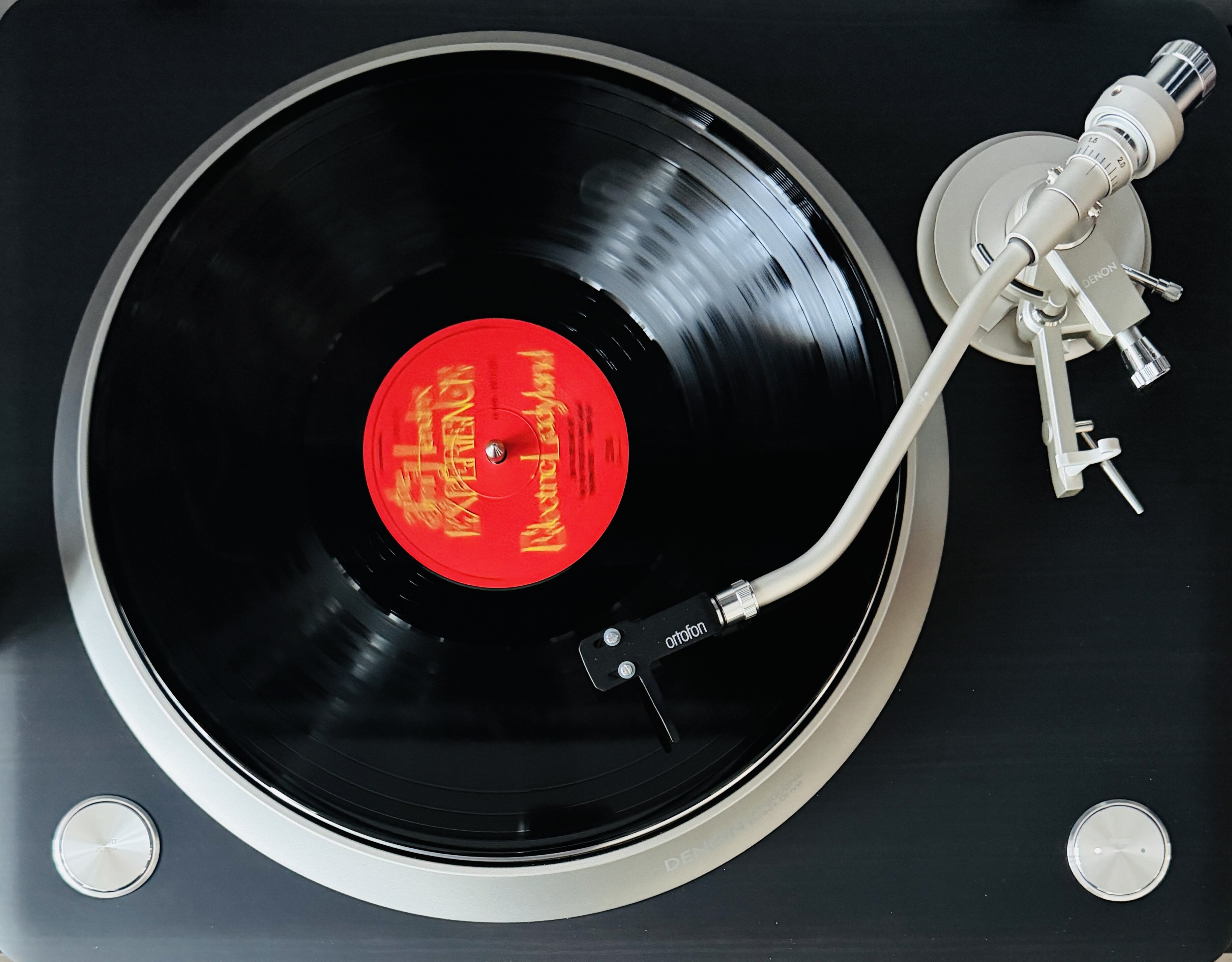
My Version
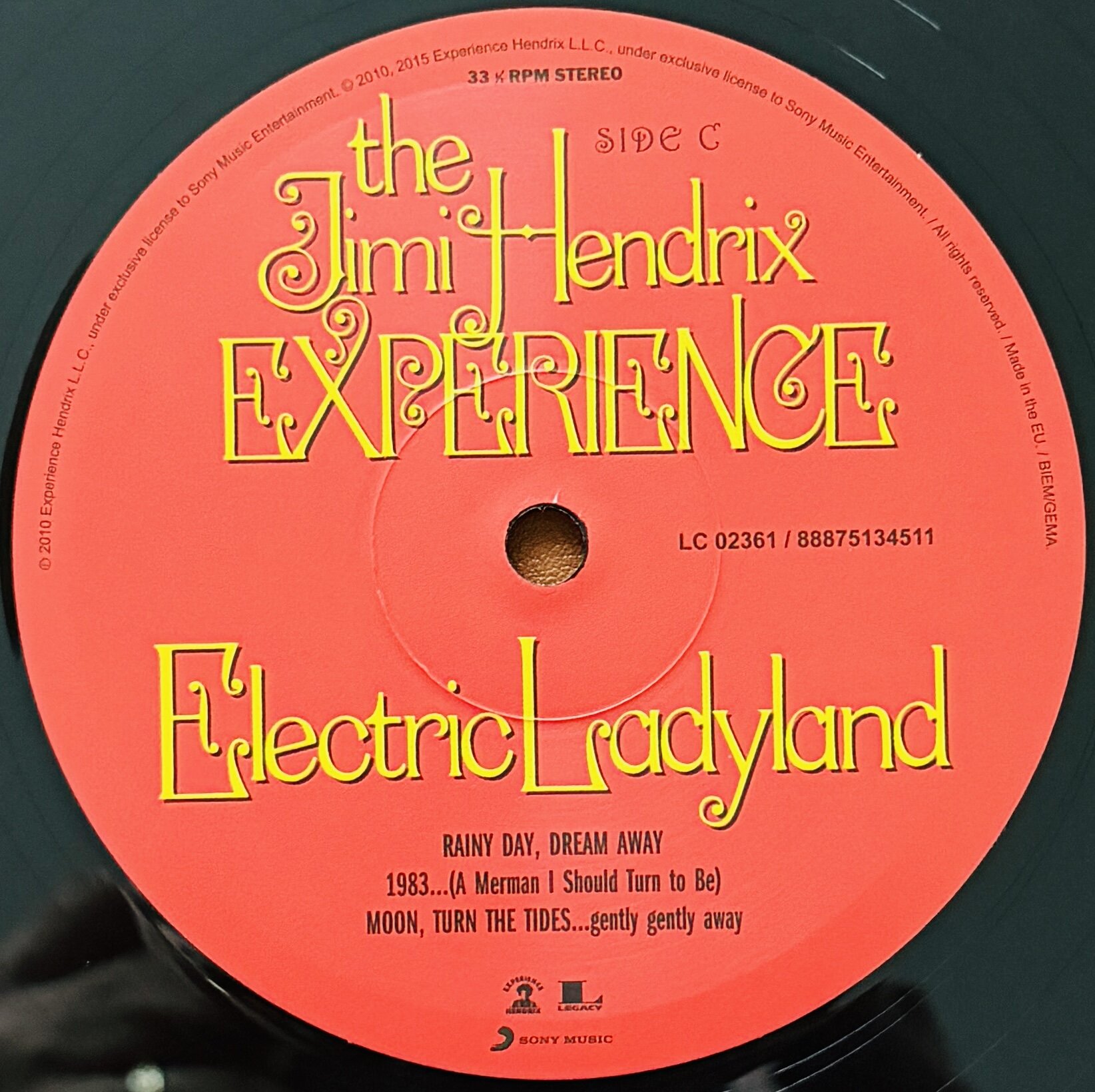
Label: Experience Hendrix – 88875134511, Legacy – 88875134511, Sony Music – 88875134511
Format: 2 x Vinyl, LP, Album, Reissue, Remastered, Repress, 180 Gram, Gatefold
Country: Europe
Released: 9 Oct 2015
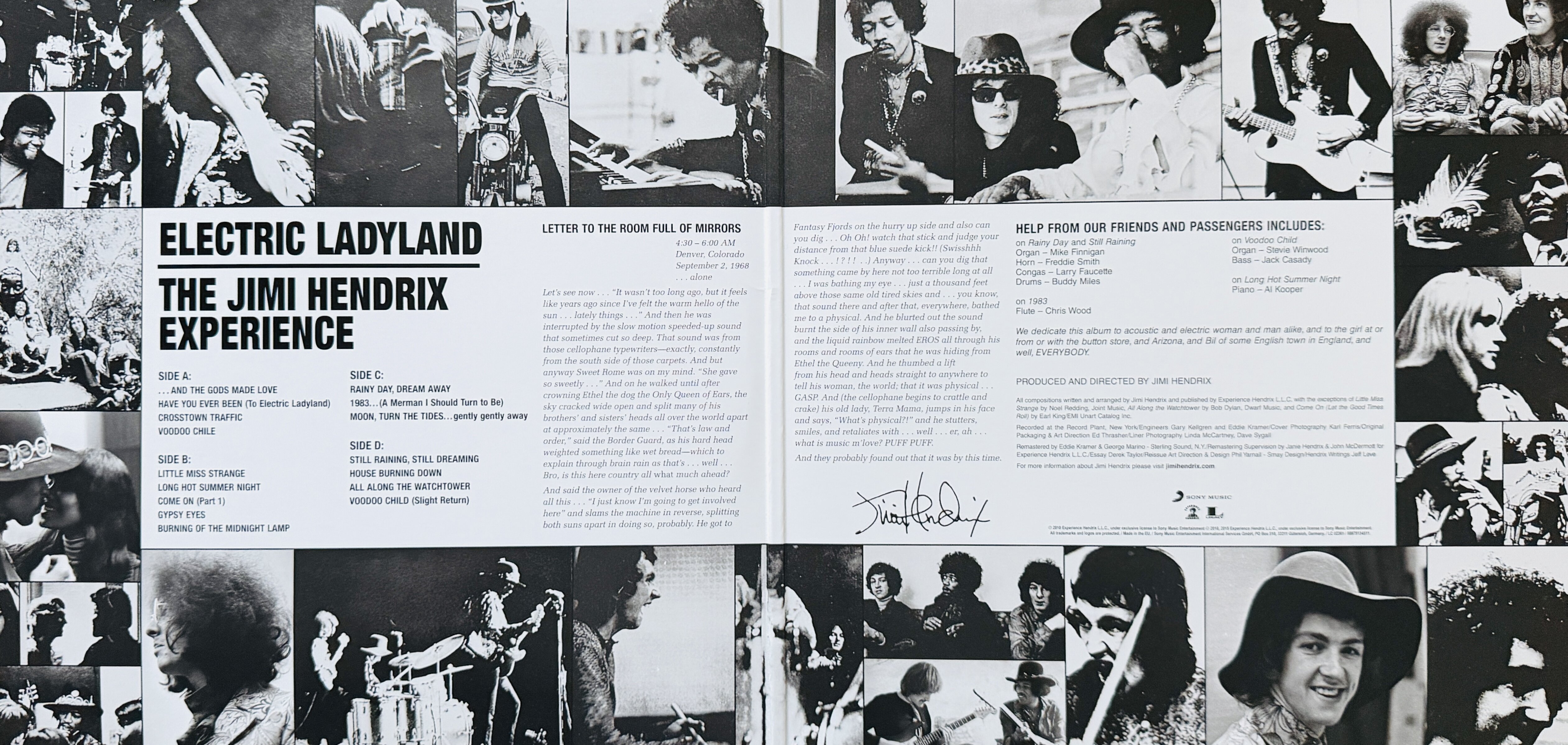
Tracklist
A1 ...And The Gods Made Love
A2 Have You Ever Been (To Electric Ladyland)
A3 Cross Town Traffic
A4 Voodoo Chile
B1 Little Miss Strange
B2 Long Hot Summer Night
B3 Come On
B4 Gypsy Eyes
B5 The Burning Of The Midnight Lamp
C1 Rainy Day, Dream Away
C2 1983... (A Merman I Should Turn To Be)
C3 Moon, Turn The Tides... Gently, Gently Away
D1 Still Raining, Still Dreaming
D2 House Burning Down
D3 All Along The Watchtower
D4 Voodoo Child (Slight Return)
Lineup
Jimi Hendrix: Vocals, guitars, bass (on several songs), harpsichord, kazoo and percussion.
Noel Redding: Bass, backing vocals and lead vocal/acoustic guitar.
Mitch Mitchell: Drums, percussion and backing vocals.
With
Steve Winwood (Traffic): Hammond organ on "Voodoo Chile".
Jack Casady (Jefferson Airplane): Bass on "Voodoo Chile".
Al Kooper: Piano on "Long Hot Summer Night".
Chris Wood (Traffic): Flute on "1983... (A Merman I Should Turn to Be)".
Buddy Miles: Drums on "Rainy Day, Dream Away" and "Still Raining, Still Dreaming"