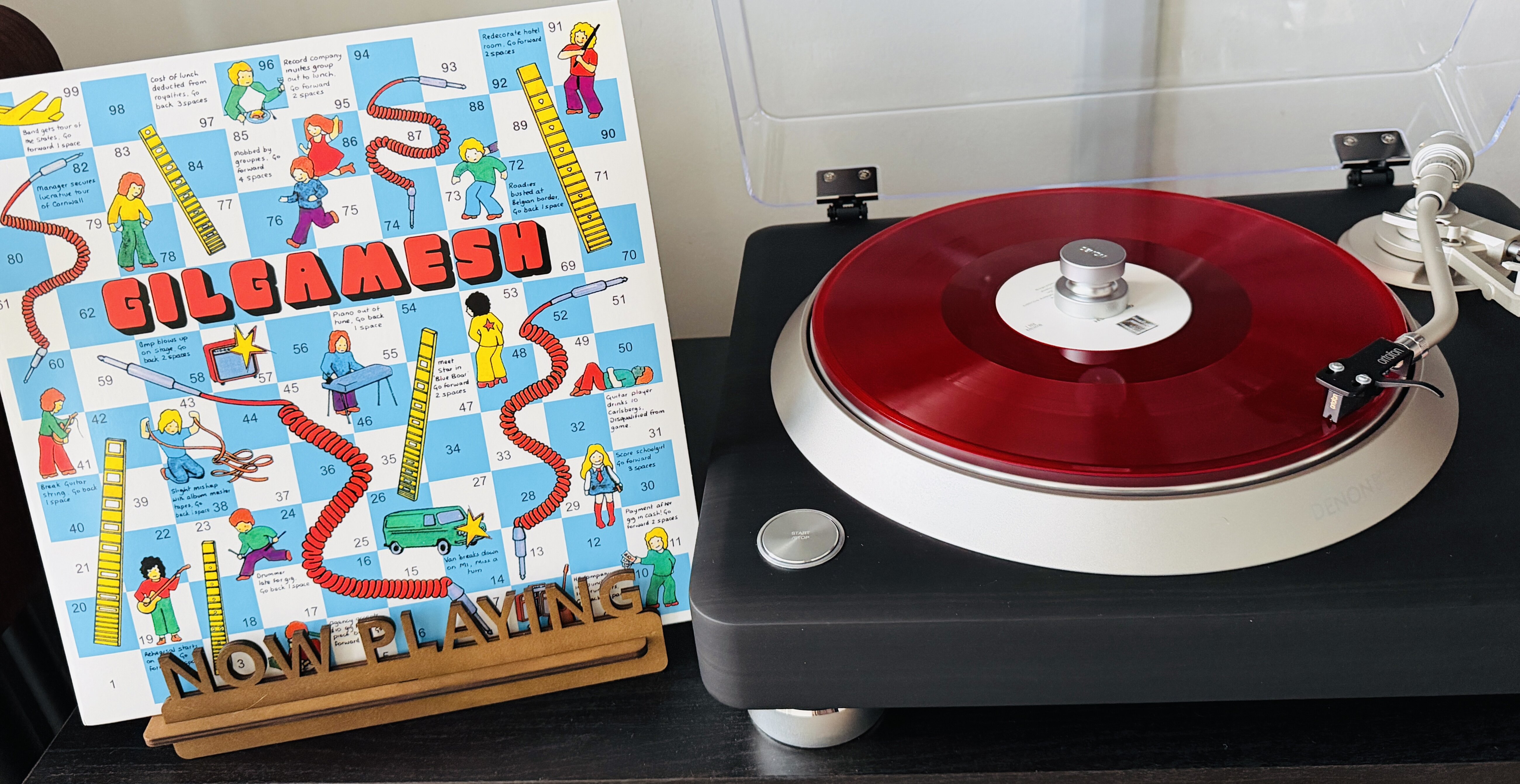
Gilgamesh self-titled debut album, from 1975.
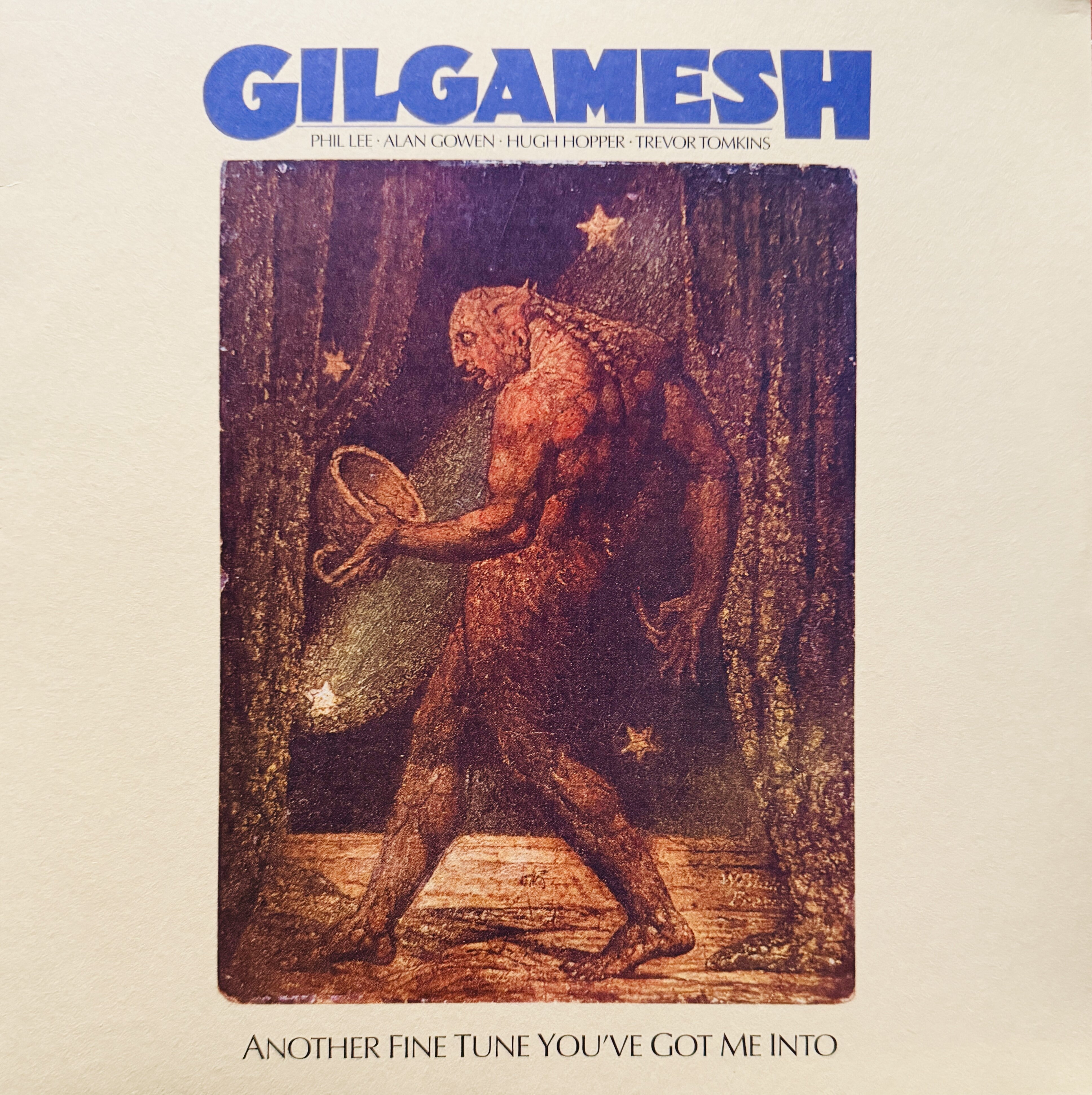
I’ve already talked about Gilgamesh and, in detail, about their extraordinary line-up in the review of their second and last album “Another Fine Tune You've Got Me Into” from 1978.
Gilgamesh’s self-titled debut album, released in 1975, is a real hidden gem of the British Canterbury scene. Led by keyboardist and composer Alan Gowen, the record is a blend of progressive rock and avant-garde jazz.
The band was formed in 1972 thanks to the idea of Gowen and drummer Mike Travis. Before finding the right lineup and the stability needed for the first album, they went through a few lineup changes, even hosting for a while famous Canterbury musicians such as Richard Sinclair of Caravan and Mont Campbell of Egg.
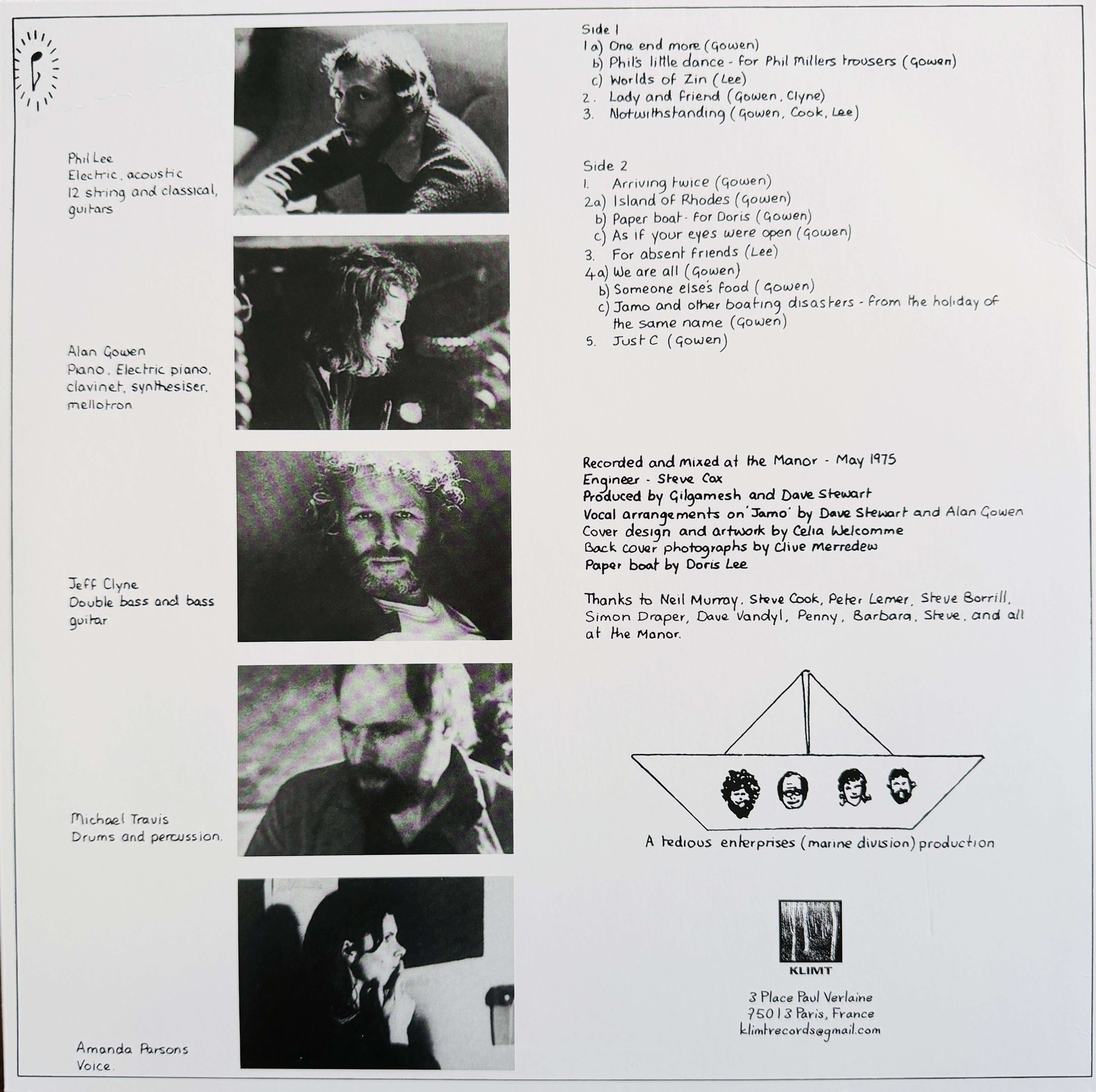
Shortly before recording, bassist Neil Murray (who would later join Whitesnake) left the group to join Colosseum II, so the original bassist, Jeff Clyne, returned. With the final lineup, together with guitarist Phil Lee, they signed with Caroline Records.
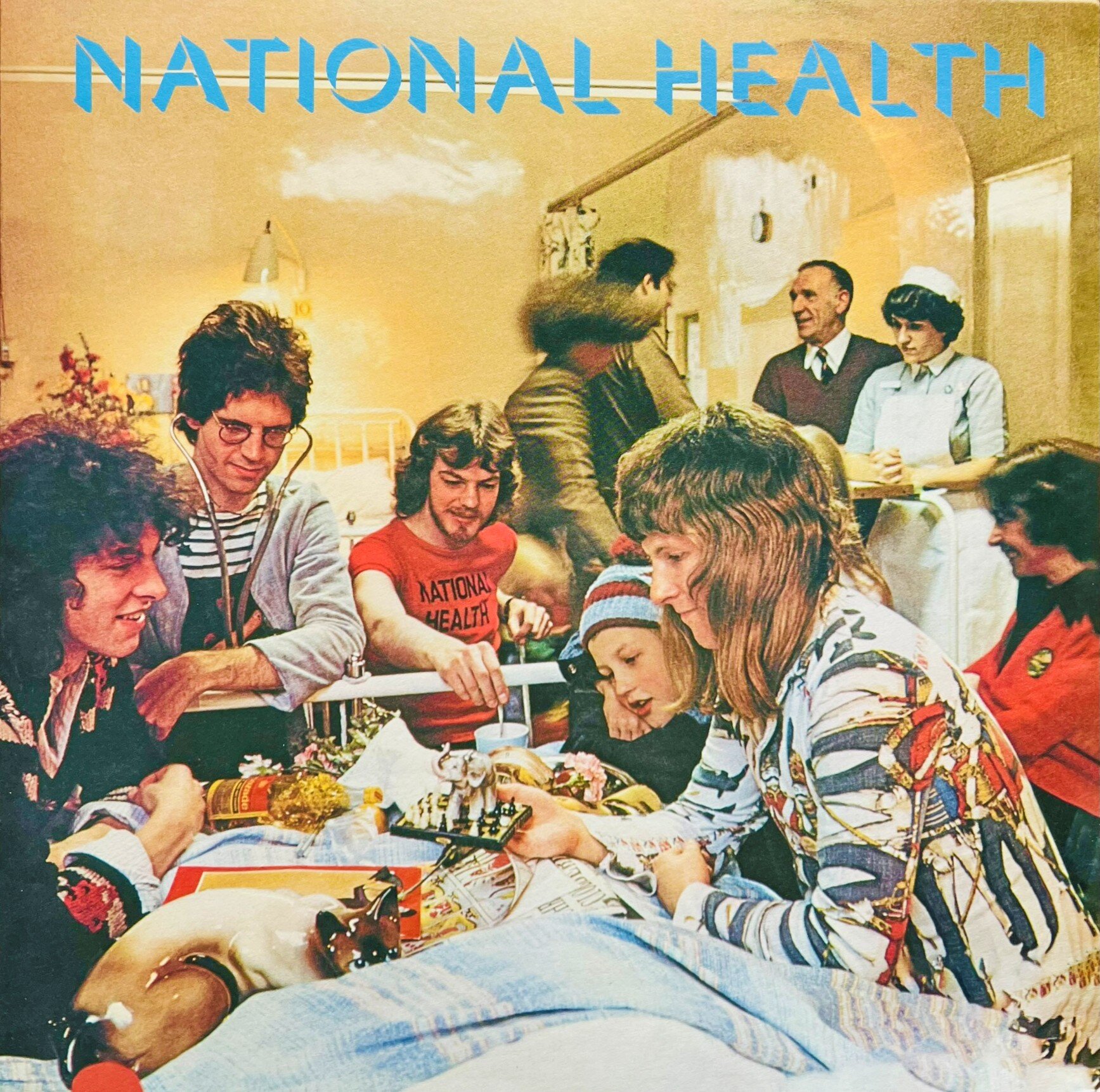
They recorded the album at Virgin’s legendary Manor Studios. A key role in the record’s success was played by Dave Stewart (at the time keyboardist of Hatfield and the North), who co-produced the album. A great friendship and such a strong artistic bond grew between Stewart and Gowen that, after the record came out and Hatfield split up, they decided to set Gilgamesh aside to form National Health. For this reason, the self-titled album remained a one-off, until Gowen re-formed the band in 1977 for a second and final album.
The band’s name, and therefore the record’s, is inspired by Gilgamesh, the legendary king of Uruk and hero of the Epic of Gilgamesh, the oldest mythological text there is. Back then, in the Canterbury scene, it was fashionable to choose names that evoked something special, often drawn from classical literature, mythology, or fantasy. In Alan Gowen’s group’s case, the name recalled the idea of an epic journey and exploration, perfectly mirrored in the intricate, adventurous structure of their songs.
Gilgamesh’s style is a mix of Jazz-Rock and avant-garde Progressive, with a more intimate, reflective touch than contemporaries like Soft Machine or Mahavishnu Orchestra.
The album stands out for the near-total absence of aggressive distortion, favoring warm tones, sinuous melodies, and a rhythmic and harmonic complexity that hides behind an apparent lightness of execution.
At the heart of the record is the constant dialogue between Alan Gowen’s Fender Rhodes electric piano, often enriched with synthesizers and Mellotron, and Phil Lee’s clean, fluid jazz guitar. The two musicians never overlap, but lock in perfectly, creating truly engaging interplay.
The rhythm section, made up of Jeff Clyne’s jazz bass and Mike Travis’s geometric drumming, doesn’t just keep time, but creates an ever-shifting bed, full of odd meters and sudden mood changes.
Amanda Parsons’ airy, crystalline vocalizations are used like a true added instrument. Without singing any lyrics, her voice doubles the keyboards’ melodic lines, giving the record a dreamy, almost celestial atmosphere.
Dave Stewart’s influence, as co-producer of the album, can be heard in the cleanliness of the sounds and in the structure of the compositions, which anticipates the complexity of their later shared project, National Health.
The highest points of the record, in my opinion, are:
“One End More / Phil’s Little Dance / Worlds of Zin”, the opening suite, which runs over 10 minutes, is the band’s calling card. It starts with a delicate touch, then evolves thanks to Lee’s jazzy guitar solo called “Phil’s Little Dance”. Finally comes “Worlds of Zin”, where Gowen’s synths create a sci-fi movie atmosphere, backed by a rhythm section that never lets up.
“Island of Meaning” is the shortest track, yet incredibly rich in ideas. It’s one of the finest pieces composed by Alan Gowen, with the electric piano floating over complex chords. The title, “The island of meaning”, perfectly describes this calm moment.
“We Are All / Someone Else’s Food / Jamo and Other Boating Disasters” is, to me, a masterpiece, a suite that is the record’s most energetic and experimental moment. The transition between the first part, more melodic and ethereal, with Amanda Parsons’ voice, and the second, a syncopated, unpredictable jazz-rock that tells the “boating disasters” of the title, shows exceptional cohesion.
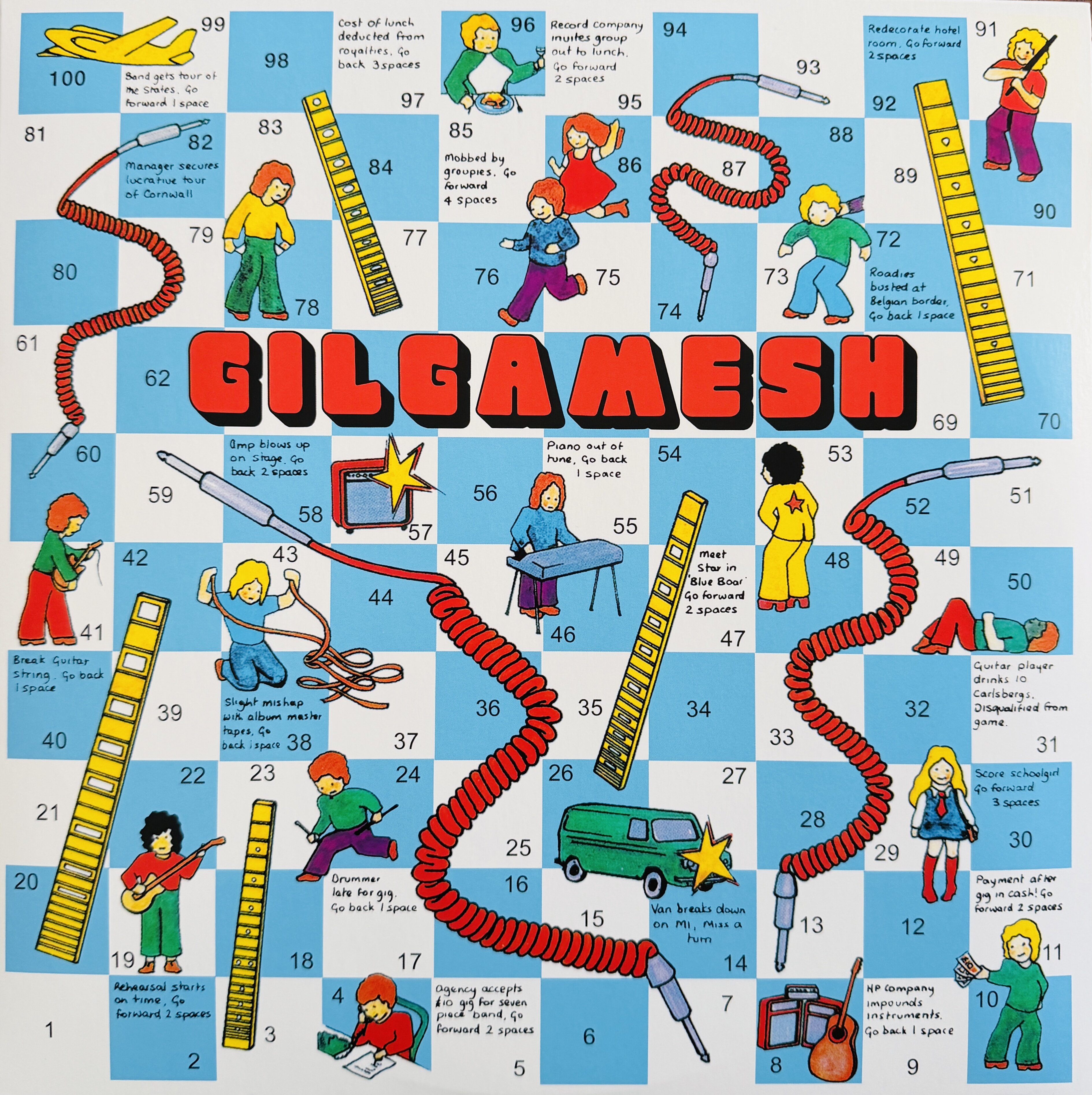
Unusual is the cover, depicting a surreal board game. The artwork was created by Celia Welcomme, who at the time was the partner of leader Alan Gowen. The cover concept is a humorous, stylized reinterpretation of the classic children’s board game “Snakes and Ladders”. Along the game path you’ll find rock ’n’ roll-themed rules and band-related anecdotes, like: “The guitarist drinks 10 Carlsberg beers. Disqualified from the game” or references to the “boating disasters” mentioned in the tracks. A disorienting visual contrast, with a cover that lightly introduces a record that actually hides remarkable compositional complexity.
Gilgamesh’s debut is a gem of British jazz-prog fusion, full of elegance and refinement, with incredible skill in executing complex scores, odd meters and rhythmic interlocks that would make anyone pale, while keeping a flow and softness that make the album a real pleasure to listen to, never heavy or pretentious. The album established Gowen as one of the scene’s most talented composers and arrangers, comparable to Dave Stewart for his unique, innovative musical vision.
The album is delicate and lacks the aggressive drive that characterized other fusion bands of the time. The atmosphere is always relaxed and soft-jazz, without dynamic peaks or explosive improvisations typical of groups like the Mahavishnu Orchestra.
Released in 1975, the album hit stores just as public interest (and the label’s as well) in prog rock was waning, due to the imminent explosion of punk, so the record didn’t achieve major commercial success. Still, it remains a beautiful and very important album for understanding the birth of the later supergroup National Health. Excellent!
My Version
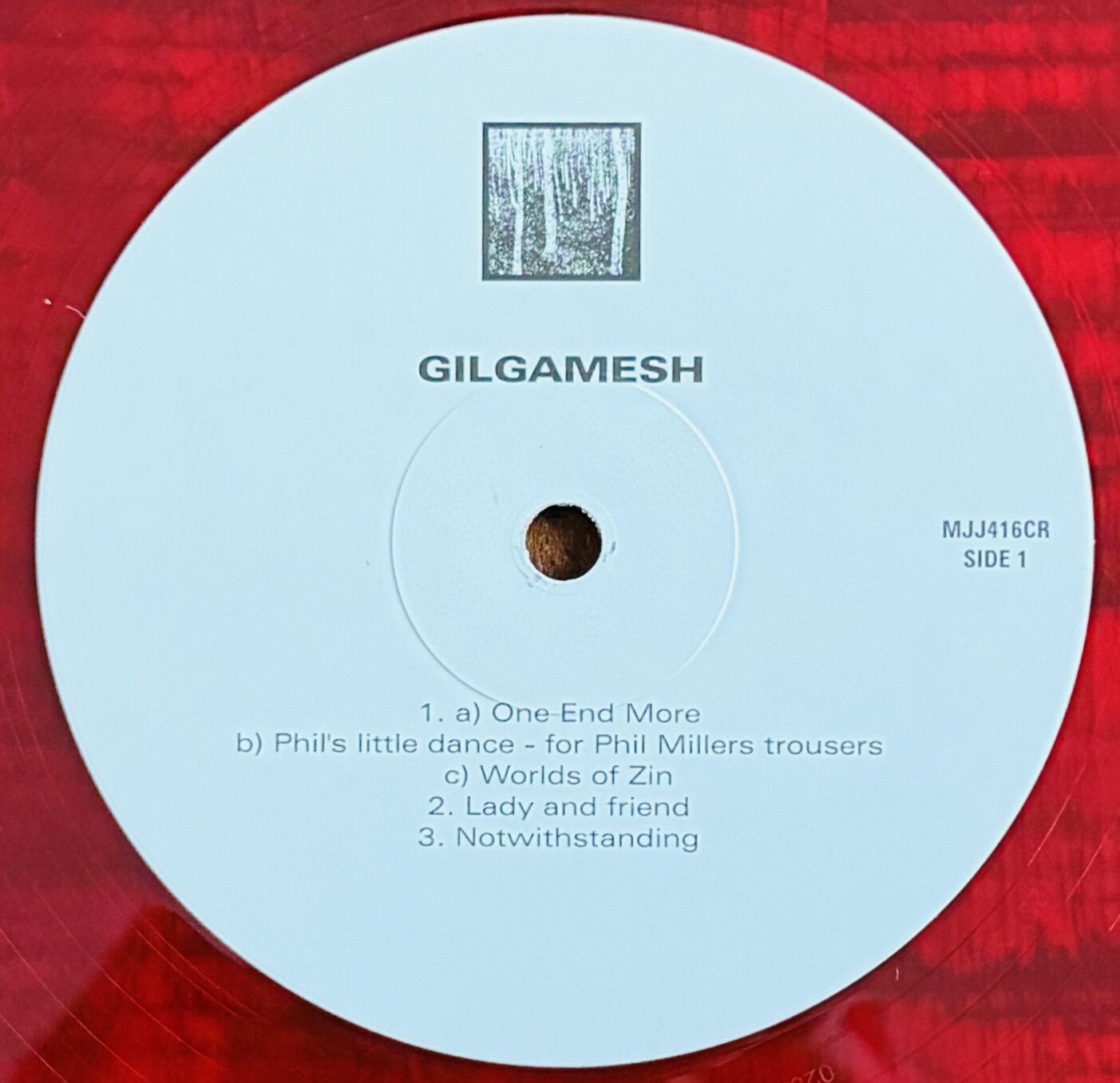
Label: Klimt Records – MJJ416CR
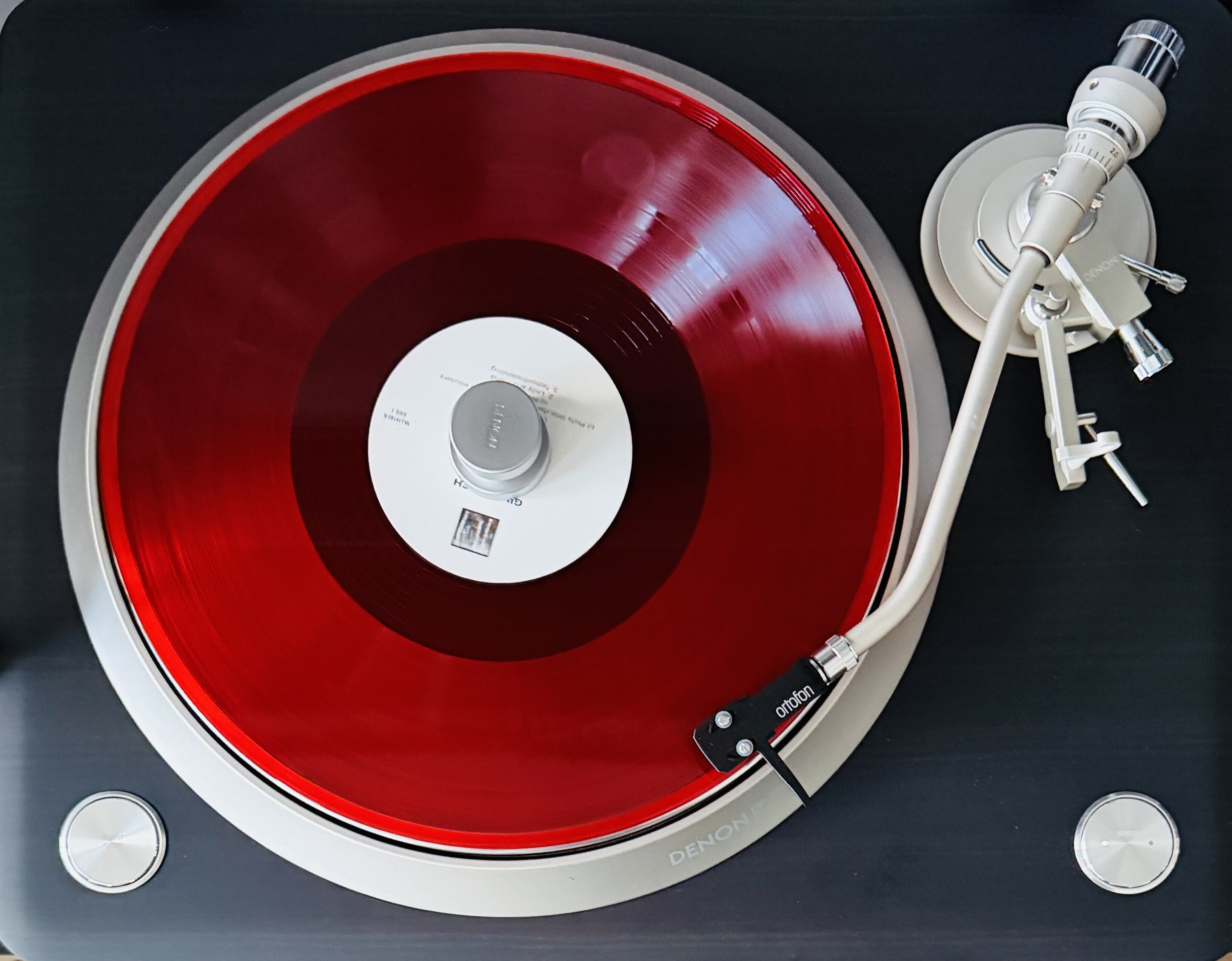
Format: Vinyl, LP, Album, Reissue, Stereo, Red Translucent
Country: France
Released: 10 Sep 2021
Tracklist
One End More / Phil's Little Dance - For Phil Millers Trousers / Worlds Of Zin (10:45)
A1.a One End More
A1.b Phil's Little Dance - For Phil Millers Trousers
A1.c Worlds Of Zin
A2 Lady And Friend 3:45
A3 Notwithstanding 4:45
B1 Arriving Twice 1:35
Island Of Rhodes / Paper Boat - For Doris / As If Your Eyes Were Open (6:40)
B2.a Island Of Rhodes
B2.b Paper Boat
B2.c - As If Your Eyes Were Open
B3 For Absent Friends 1:10
We Are All / Someone Else's Food / Jamo And Other Boating Disasters (From The Holiday Of The Same Name) (7:50)
B4.a We Are All
B4.b Someone Else's Food
B4.c Jamo And Other Boating Disasters (From The Holiday Of The Same Name)
B5 Just C 0:45
Lineup
Double Bass, Bass Guitar – Jeff Clyne
Drums, Percussion – Michael Travis
Electric Guitar, Acoustic Guitar, Twelve-String Guitar, Classical Guitar – Phil Lee
Piano, Electric Piano, Clavinet, Synthesizer, Mellotron – Alan Gowen
Producer – Dave Stewart, Gilgamesh
Voice – Amanda Parsons