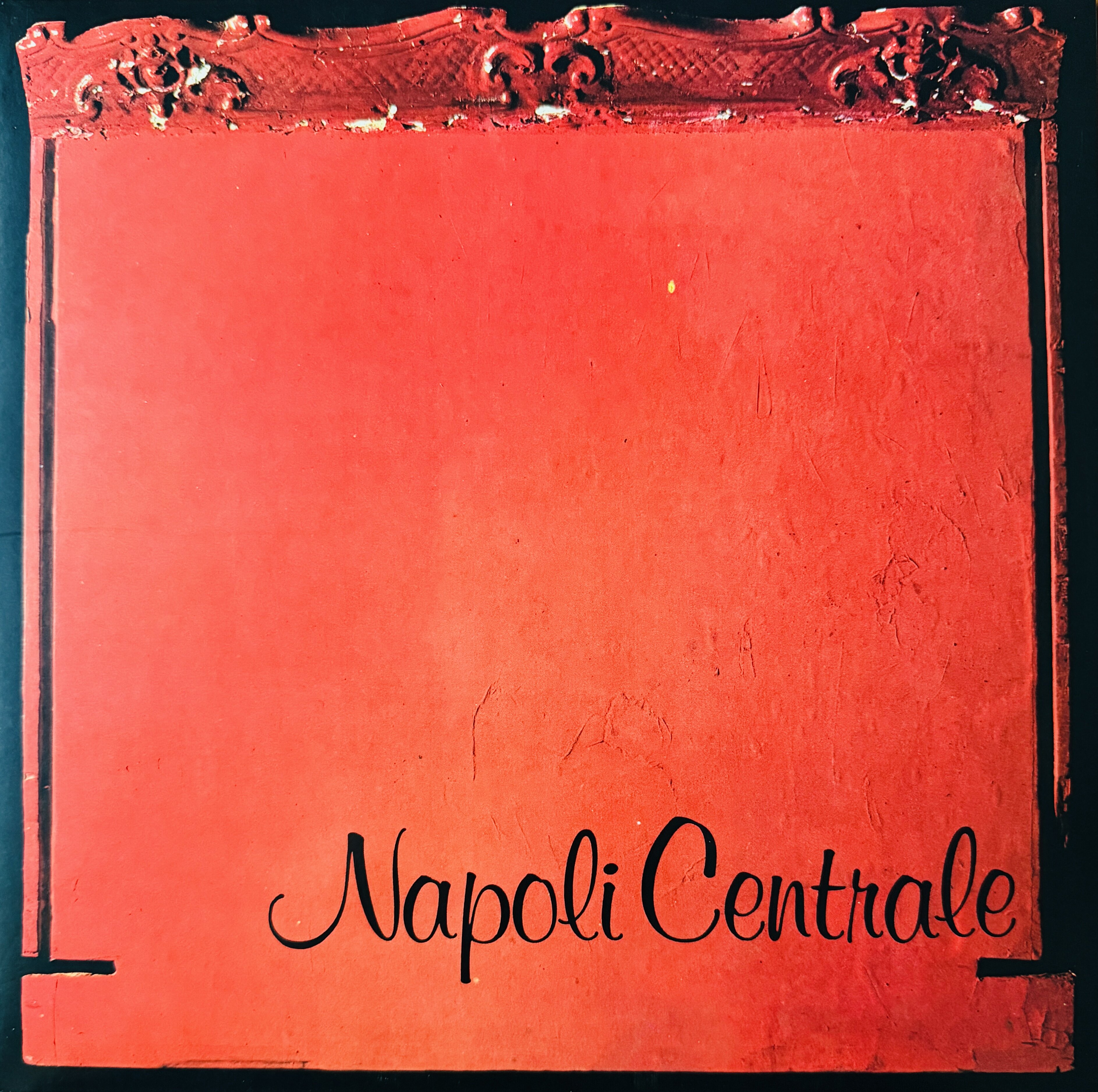
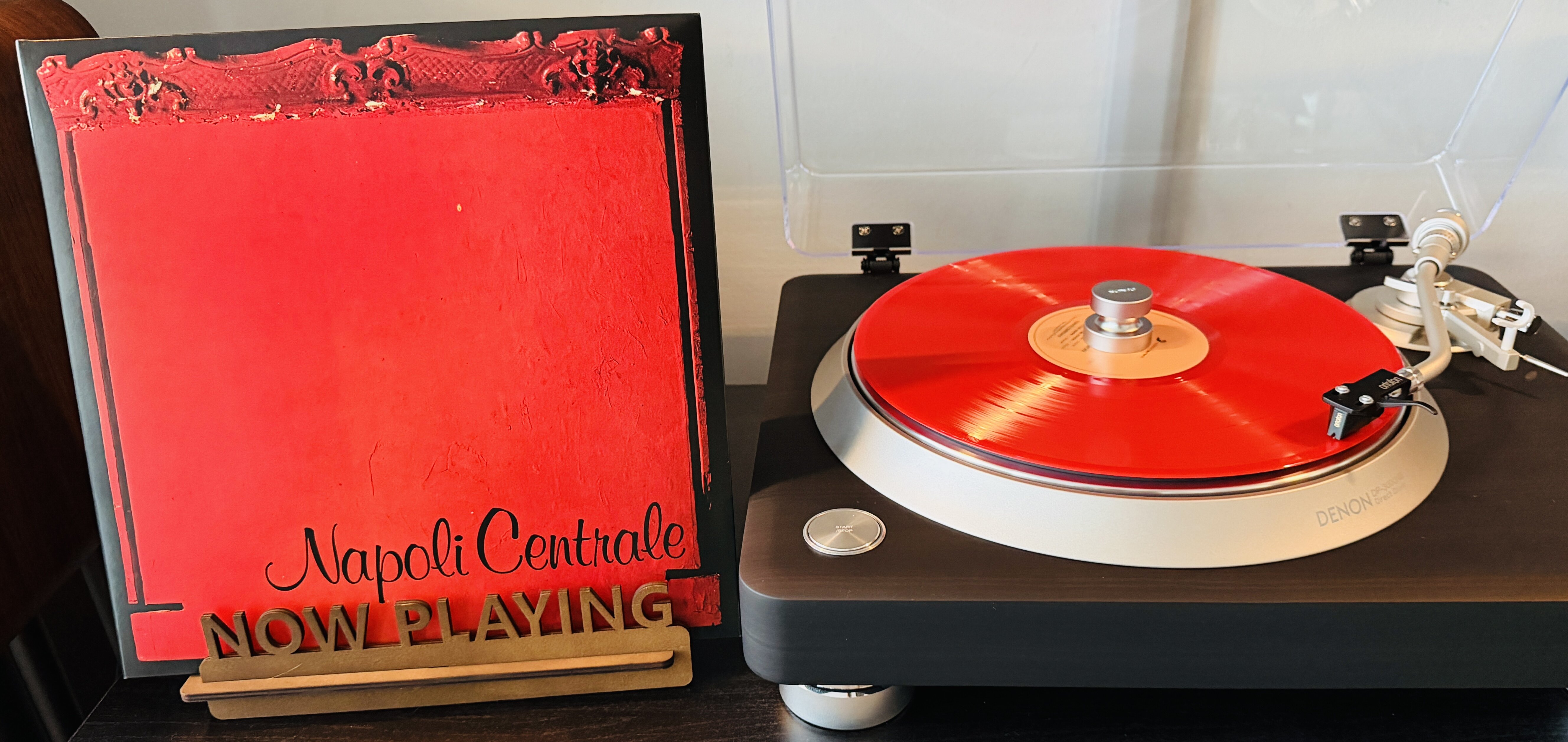
Qualcosa ca nu' mmore by Napoli Centrale, a 1978 album.
“Qualcosa ca nu’ mmore” (Something that doesn’t die) is the third album by Napoli Centrale, an Italian jazz-rock/fusion band. This record marks the end of their first phase.
Led by saxophonist and singer James Senese and drummer and lyricist Franco Del Prete, Napoli Centrale moved toward a harsher, more experimental sound, closer to classic jazz, compared to their first two albums.
It’s the last album of the band’s initial trilogy, which began with their self-titled debut in 1975 and continued with “Mattanza” in 1976, closing the golden era of Neapolitan Power.
This album marks a big change of course compared to the previous works, leaving behind the early progressive rock. With this record Napoli Centrale move into more experimental, visceral territory, closer to classic and avant-garde jazz. The atmospheres become harsher, more abrasive and less immediate, focusing on long instrumental improvisations and a palpable rhythmic tension.
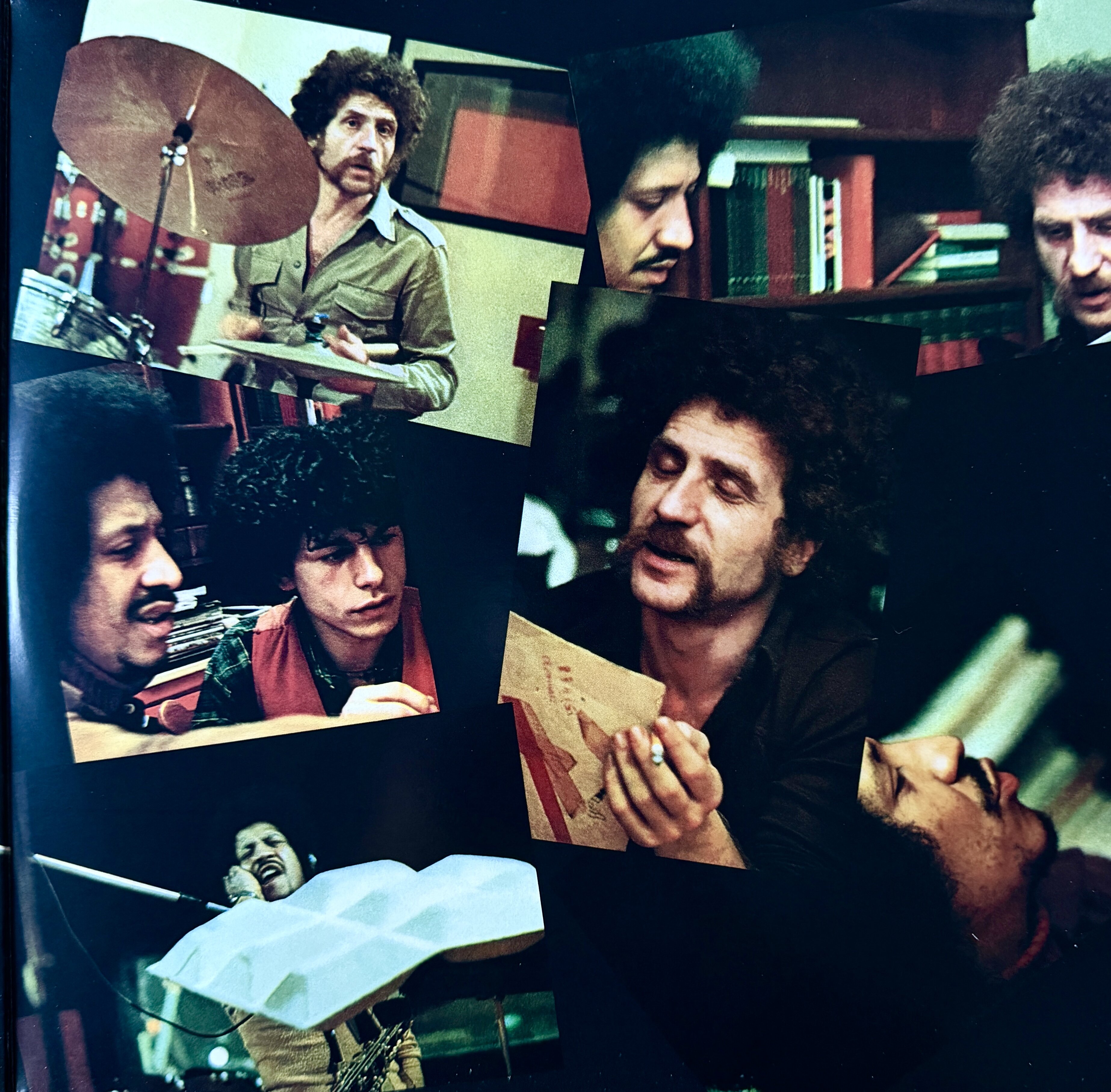
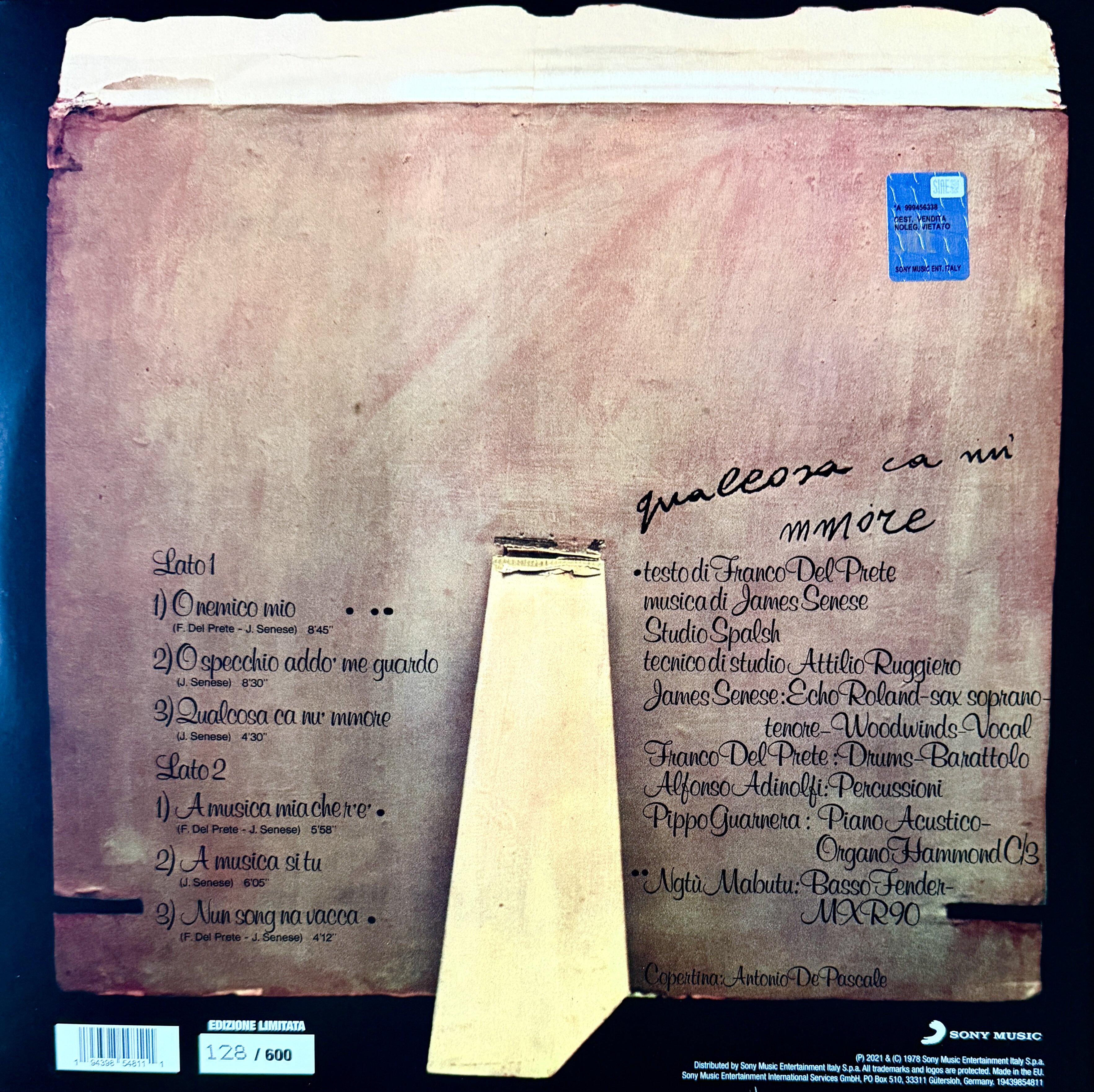
From the original lineup, James Senese and Franco Del Prete remain. On keyboards, Pippo Guarnera and Ciro Ciscognetti are added. But the real novelty of the record is the bassist: in the credits of the first vinyl pressing the stage name Ngtù Mabutu (or Ngtù Mabula) appears. Behind this pseudonym was a very young and still unknown Pino Daniele. The future singer-songwriter had played bass on the group’s tour and went into the studio to give his contribution before launching his legendary solo career. The pseudonym probably served to avoid exclusive-contract issues, since Pino Daniele had already signed with EMI.
The tracks, written mostly by Franco Del Prete (with some contributions also from Senese), are full of that social charge, redemption and protest that defines the group. Sung strictly in Neapolitan, they tell of anger, the city’s unease and the hard life of the South’s working classes, blending Afro-American music with Neapolitan folklore and reality.
Here they are
“’O Nemico Mio” (My enemy) tackles social injustices and the systemic hardships of the period.
“A’ Gente ‘e Nuie” (Our people) is a portrait or a tribute to the working classes and workers of the South.
The title track, “Qualcosa ca nu’ mmore” (Something that doesn’t die), symbolizes the people’s eternal soul and culture.
“’O Specchio Addo’ Me Guardo” (The mirror where I look at myself) offers an intimate, introspective reflection on one’s identity.
“Zitte crudele ‘e rrobbe” (Quiet, cruel things or Silent cruel things) is a cry of rebellion against the suffering and harshness of urban life.
“Nun Song Na Vacca” (I’m not a cow) uses a strong metaphor to oppose labor exploitation and being treated like livestock.
“Qualcosa ca nu’ mmore” isn’t an immediate record, but it has great artistic value.
The track that gives the album its title, “Qualcosa ca nu’ mmore”, is a true masterpiece and one of the most intense songs in the entire career of James Senese and the band. It’s a perfect mix of the instrumental technical skill typical of fusion and lyrics that speak about the hardship of people in the South. In this song, James Senese’s sax is no longer just an accompanying instrument, but becomes a second voice—melancholic, biting and unmistakable—guiding the melody and the expression of the whole piece, capturing the essence of Neapolitan Power.
Other great tracks in my opinion are:
“’O Nemico Mio”, which opens the album, a monumental piece of over 8 minutes. It’s a harsh, powerful track, full of avant-garde jazz-fusion improvisations that immediately make clear the direction the band took in this period.
“’O Specchio Addo’ Me Guardo” is another key track on the album (also about 8 and a half minutes). Here you can hear the group’s most radical shift toward classic jazz, setting aside funky rhythms and the old progressive-rock pieces for a more deconstructed music.
“Nun Song Na Vacca”, which closes the album, compared to the other more complex tracks, has a simpler, tighter structure, rhythmically engaging and a bit closer to the band’s first two successful albums.
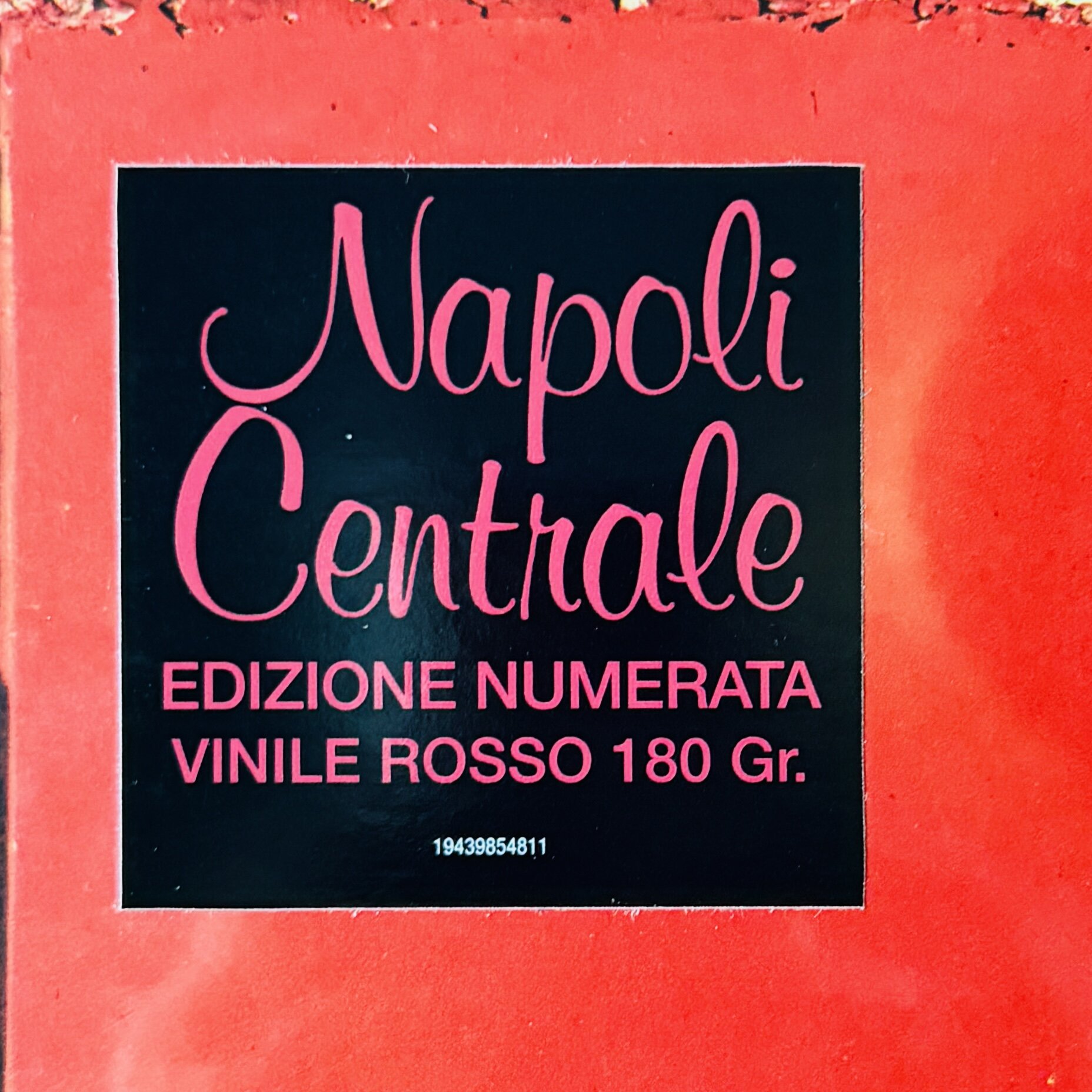
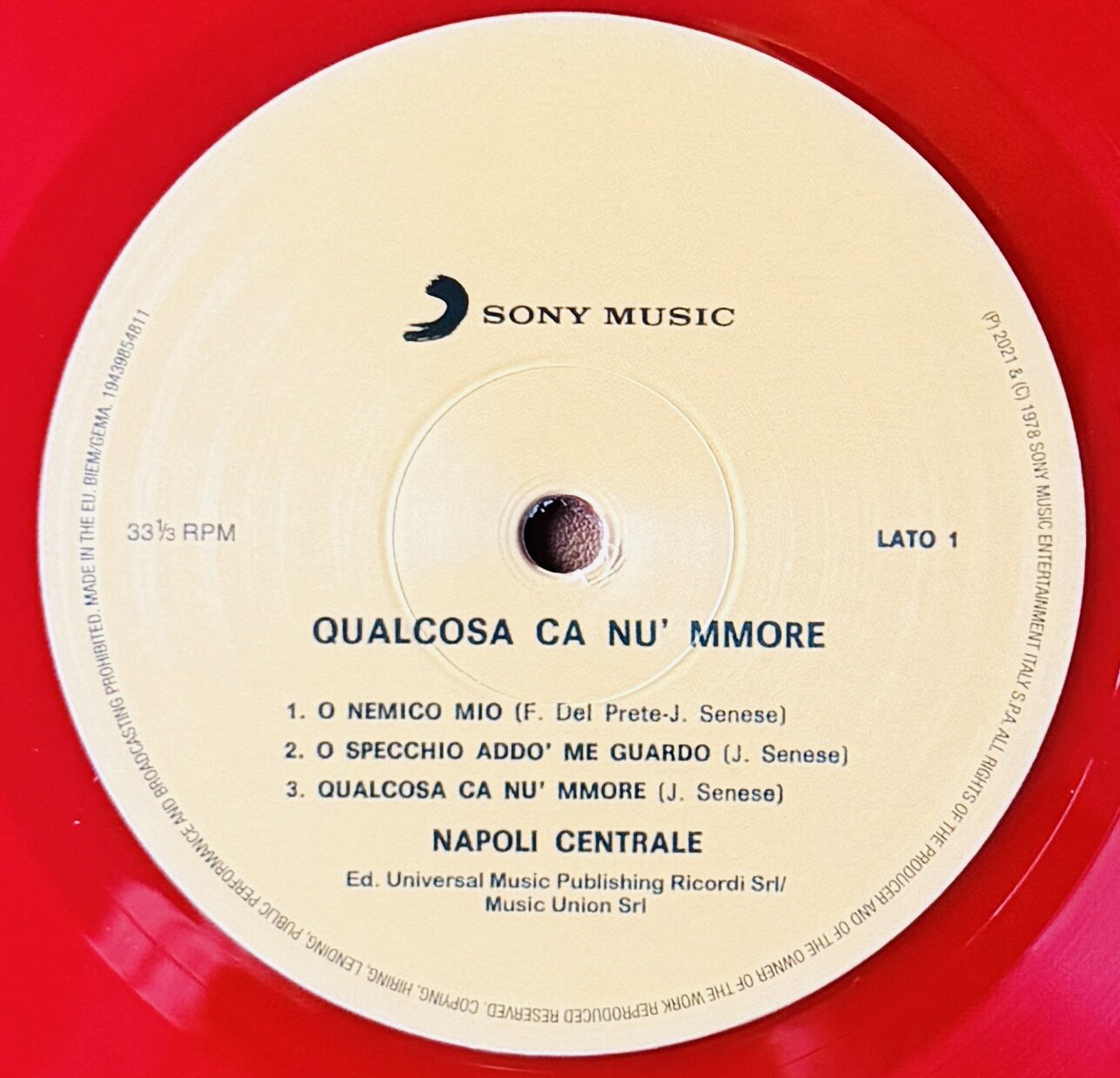
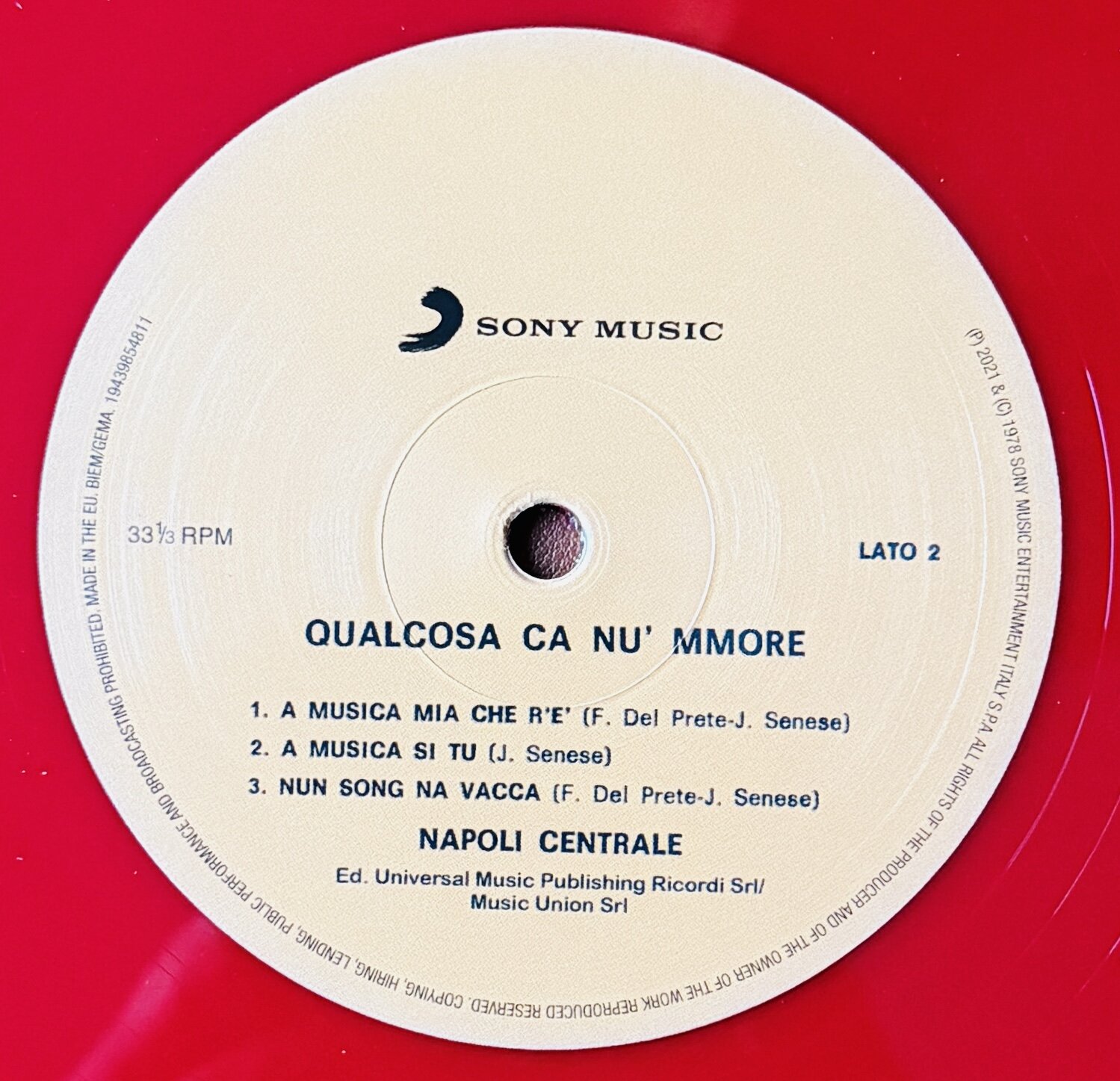
I have the Sony Music – 1943854811 version, an official 2021 reissue, excellent above all for its technical quality. The sound is super clean and dynamic and the tracklist has remained the same as the ’77 release.
This LP is Napoli Centrale’s boldest, most mature and courageous record. A lot of experimentation and a perfect mix between the most visceral Neapolitan tradition and the complexity of classic jazz and American fusion. Precisely because of this complexity, it didn’t have the same commercial success as the previous records. The long instrumental suites and the somewhat harsh, abrasive sounds made it less suited to the radio of the time.
In any case, its historical importance is huge. It’s a fundamental Neapolitan Power record, capturing the exact moment when Pino Daniele absorbs the rhythmic and social influence of James Senese and Franco Del Prete before starting his solo career.
It’s not an easy album, but it’s a masterpiece of art rock and avant-garde jazz-rock. A must-listen for anyone who wants to understand how singer-songwriter music and fusion changed in Italy at the end of the ’70s. In my opinion, the best record in their entire discography.
My Version:
Label: Sony Music – 1943854811
Format: Vinyl, LP, Album, Record Store Day, Limited Edition, Numbered, Special Edition, Red
Country: Europe
Released: 12 Jun 2021
Tracklist
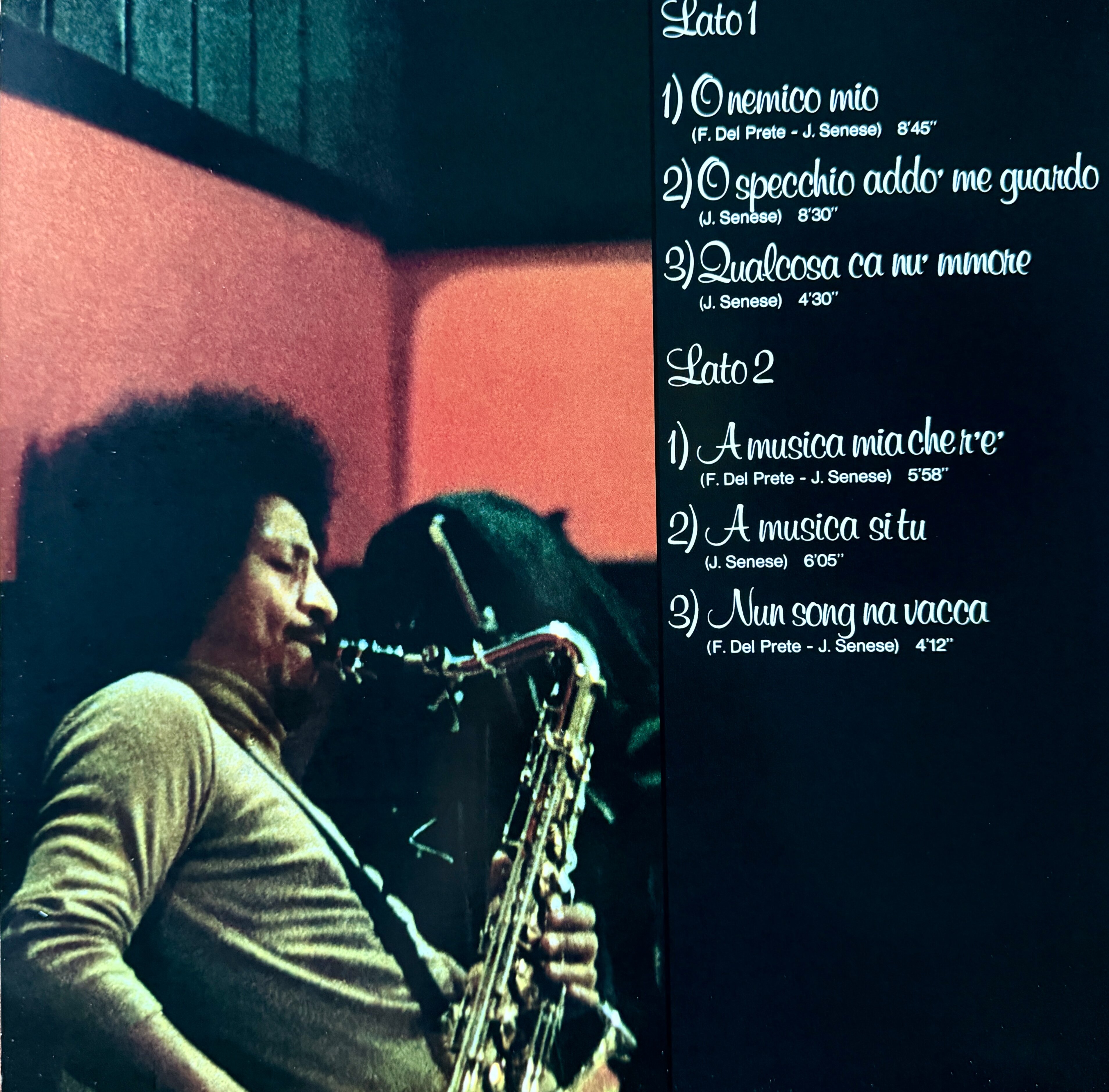
A1 O Nemico Mio 8:42
A2 O Specchio Addo' Me Guardo 8:30
A3 Qualcosa Ca Nu' Mmore 4:34
B1 A Musica Mia Che R'e' 5:58
B2 'A Musica Si Tu 6:06
B3 Nun Song Na Vacca 4:17
Lineup
Bass [Bass Fender], Effects [MXR90] – Ngtù Mabutu (tracks: A1)
Cover – Antonio De Pascale
Drums, Percussion [Barattolo] – Franco Del Prete (2)
Effects [Echo Roland], Soprano Saxophone, Tenor Saxophone, Woodwind [Woodwinds], Vocals – James Senese
Percussion – Alfonso Adinolfi
Piano [Acoustic Piano], Electric Organ [Hammond C/3] – Pippo Guarnera