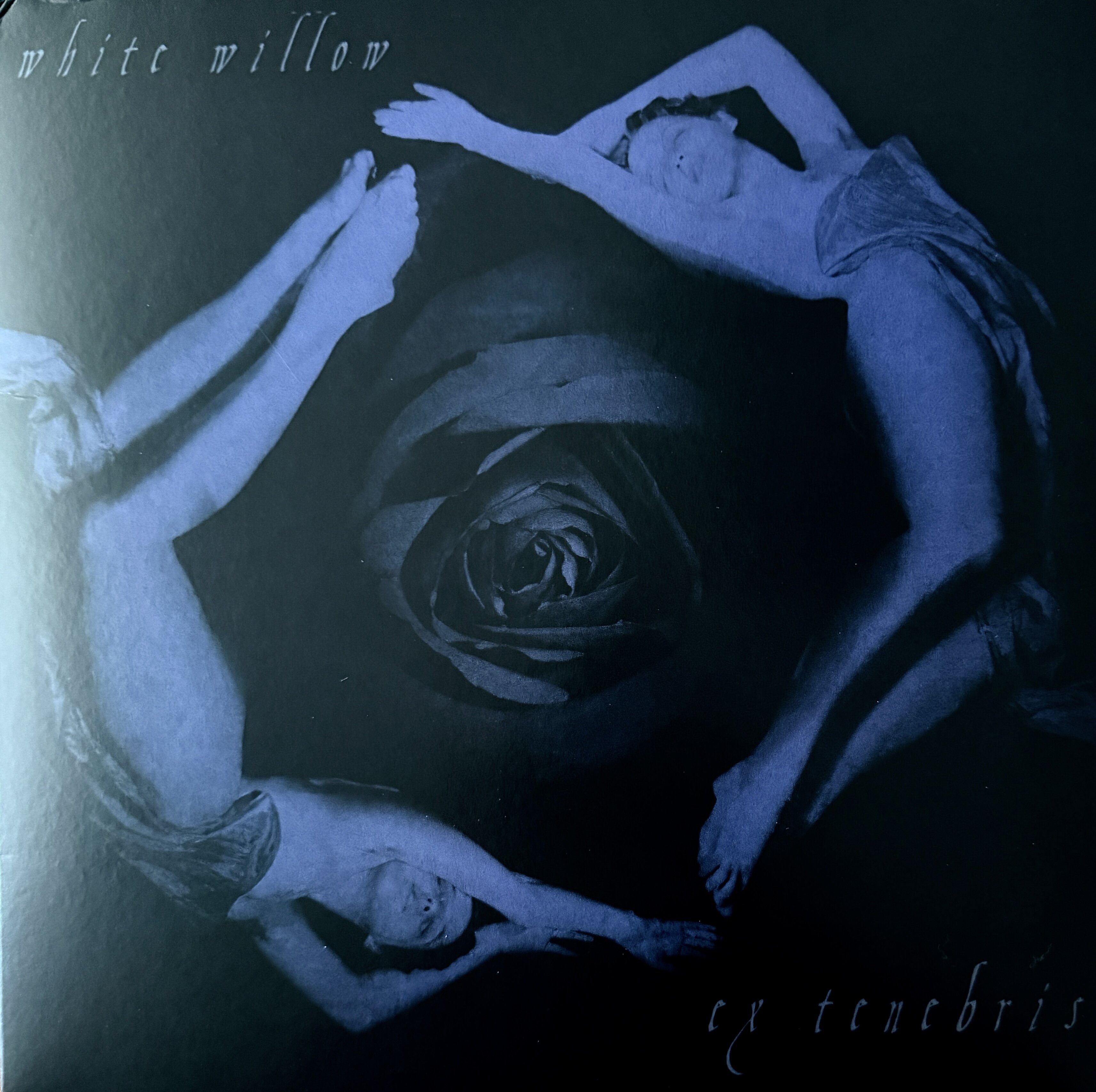
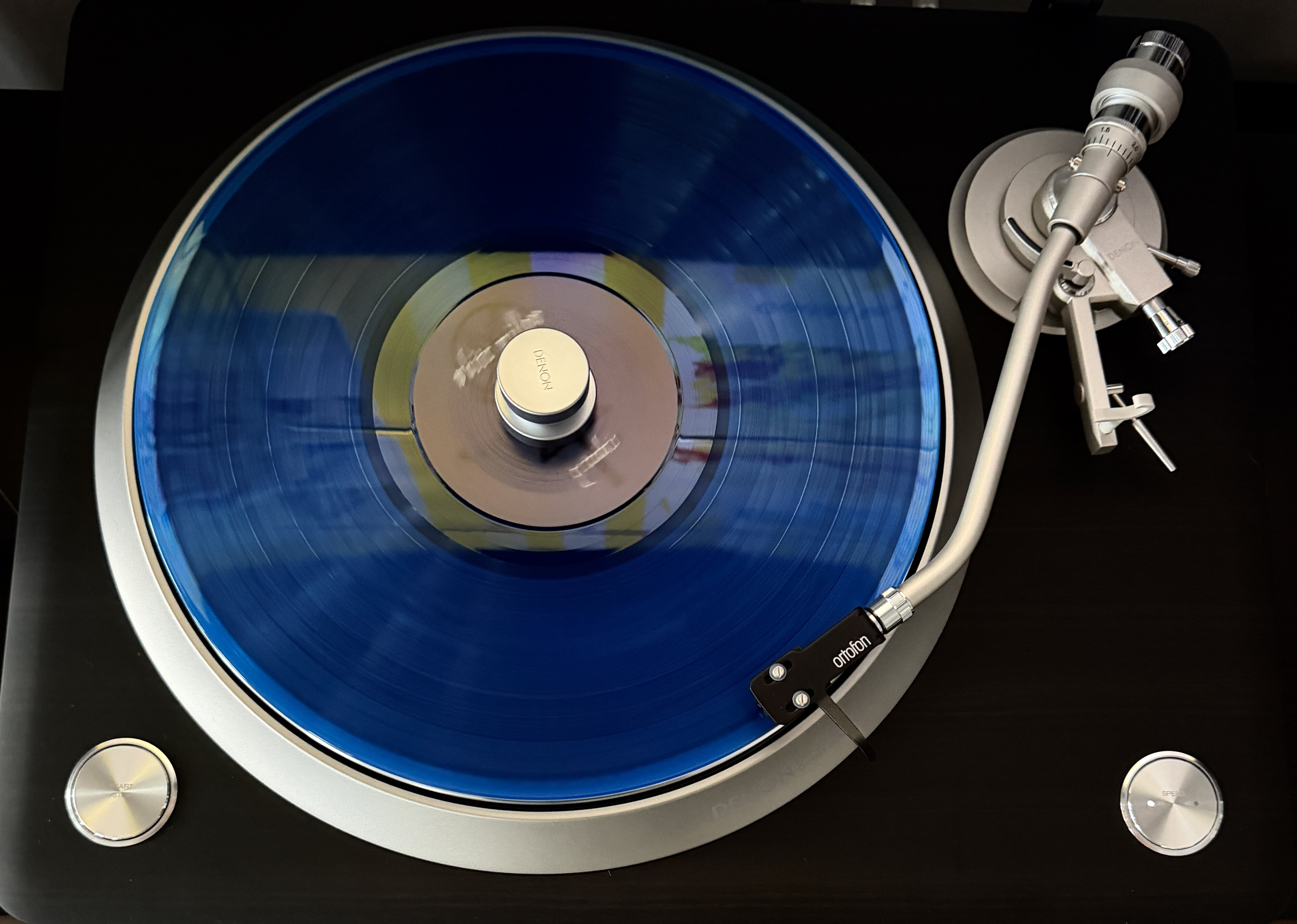
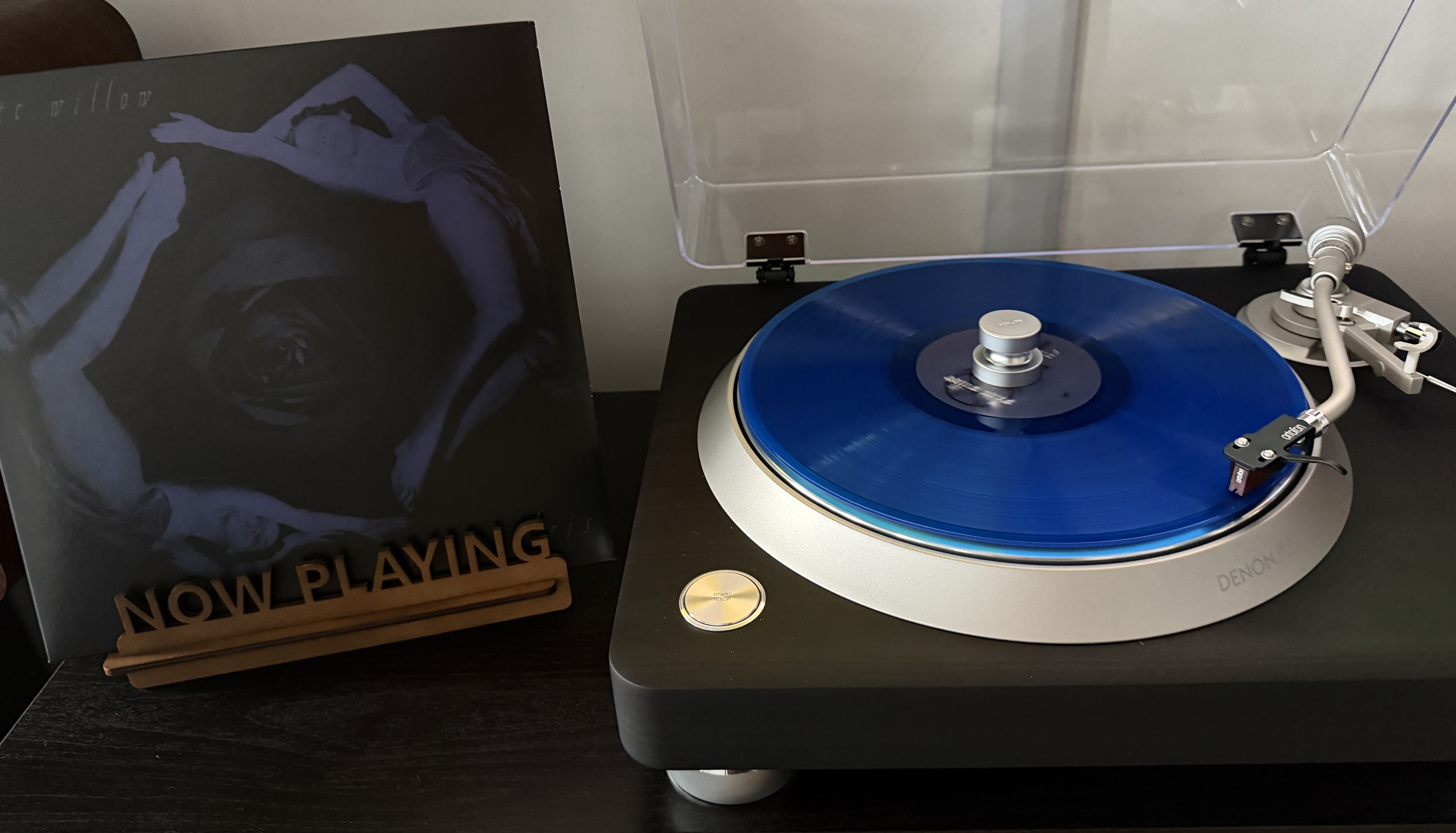
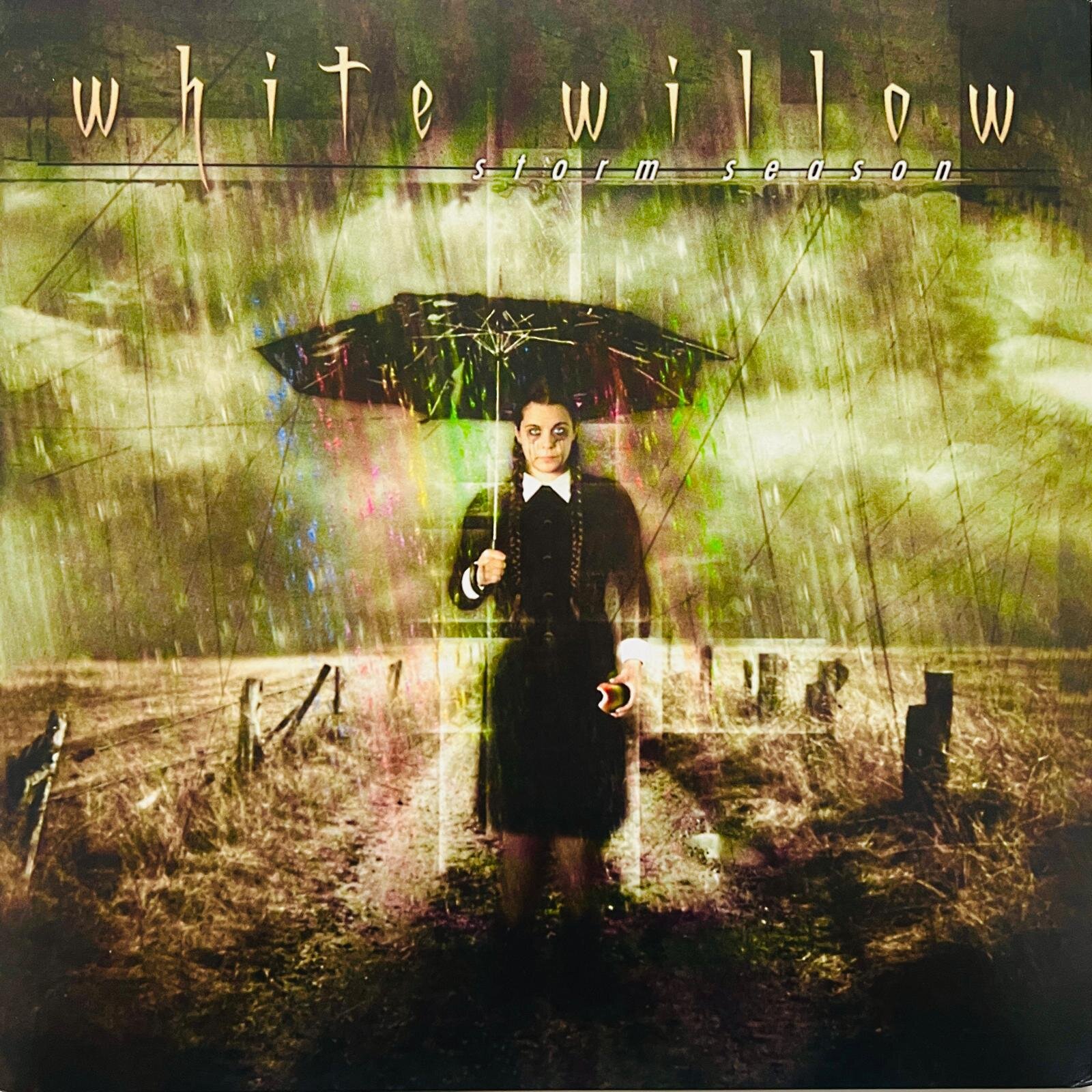
Ex Tenebris by White Willow, a 1998 album.
“Ex Tenebris” is the second studio album by White Willow, a great Norwegian progressive rock band.
It was released in 1998, although in some areas the first copies arrived already at the end of ’97, under the American label The Laser’s Edge.
This album marks an important moment and a major change for the band, both personally and musically.
After the success of their first album, “Ignis Fatuus” from ’95, the original White Willow lineup broke up due to disagreements over the musical direction to follow. The guitarist and main composer, Jacob Holm-Lupo, found himself alone and began writing new songs with a solo project in mind. But as he worked, he realized the tracks had a strong progressive flavor and decided to bring White Willow back to life, creating a new lineup.
Only keyboardist Jan Tariq Rahman remained. They were joined by the outstanding Swedish drummer Mattias Olsson, already famous for his work with Änglagård, and bassist Frode Lia. The biggest news was the arrival of singer Sylvia Erichsen, who made her debut with this album. Her voice—crystal-clear, ethereal and dreamy—became the real trademark of the record and of the band’s future releases.
The recordings, led by Holm-Lupo (here for the first time as producer), were done quickly and on a limited budget. This approach, which he himself called “quick and dirty,” gave the album a very natural, spontaneous feel, with excellent first takes and a fantastic, very lively drum sound.
The phrase “Ex Tenebris” is a Latin expression meaning “From the darkness” or “Out of the dark”. This title has a double meaning:
It represents White Willow’s rebirth. After the original lineup split, Holm-Lupo found himself alone in the darkness of the project’s failure. This album is his way of resurfacing “out of the dark,” rebuilding the band and finding a new sonic identity. Also, the title perfectly introduces the gothic, mystical and nocturnal atmospheres that characterize the entire album.
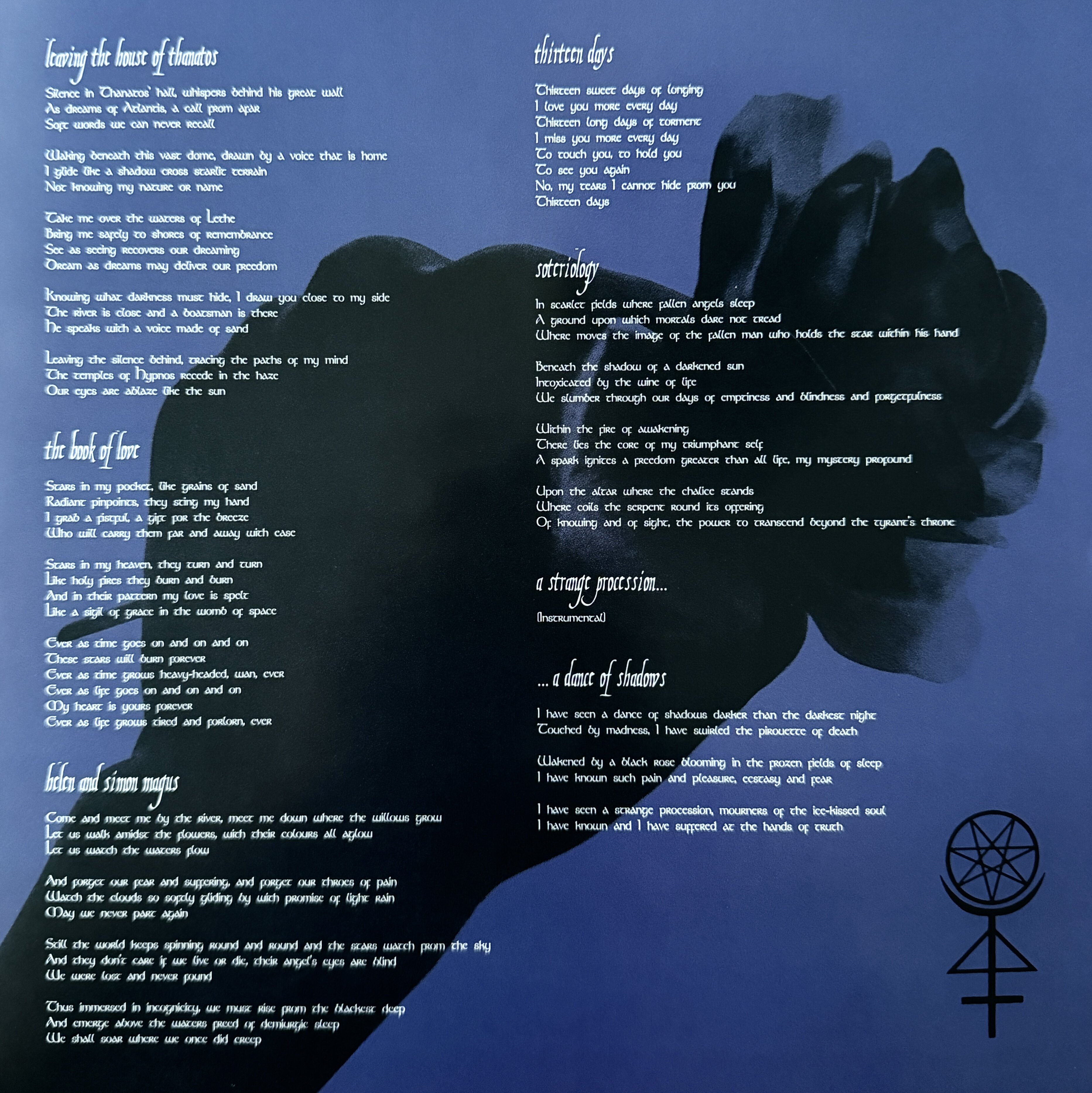
“Ex Tenebris” is a thematic and spiritual concept, structured as a cycle of tracks linked by a common thread: the soul’s journey through darkness to reach knowledge and salvation. It’s a fascinating trip into Gnostic mysticism and esotericism, with songs that paint a picture of the human condition as a “deep sleep made of emptiness and forgetfulness” under the shadow of a darkened sun. The goal is to awaken from this state. “
Musically and conceptually, the album constantly plays on the light/shadow duality. The darkness of the lyrics and Mellotron beds is countered by the heavenly purity of Sylvia Erichsen’s voice and the delicacy of the acoustic guitars, like light trying to break through the fog.
The album closes with the pairing “A Strange Procession…” and “…a Dance of Shadows”, a musical ritual that wraps us in a dance of shadows, leaving the doors of mystery open.
Ex Tenebris marks an important change of course compared to the medieval and Renaissance folk influences of the first album. The atmosphere becomes decidedly darker, more minimalist and gothic. Ancient wind instruments give way to Mellotron, pipe organ, analog synths, acoustic guitars and a few hints of electric guitar. The sound becomes more rarefied and essential, focusing on creating a specific atmosphere, on melancholy and on lyrics full of Gnostic mysticism—the band’s first real step toward a fully independent and original style.
My favorite tracks are:
…a Dance of Shadows – This track is the true jewel of the record, a nearly 14-minute suite that perfectly blends symphonic progressive rock and gothic rock. A dramatic progression, with Mellotrons creating a spectral atmosphere, which then bursts into an epic, cathartic final section. A spine-tingling experience.
Leaving the House of Thanatos with its perfect opening for the album. This track immediately defines the band’s new sound. The contrast between the dark lyrics, inspired by mythology and death, and Sylvia Erichsen’s crystal-clear voice is simply perfect.
Thirteen Days, a small acoustic gem. Even though it lasts less than 3 minutes, it showcases Jacob Holm-Lupo’s incredible sensitivity on acoustic guitar and flute. A moment of peace and melancholy that recalls Nordic folk.
Sylvia Erichsen’s arrival on vocals was a real stroke of genius for White Willow. Compared to Sara Trondal, the singer on the first album, Erichsen has a unique style: ethereal, almost “angelic,” but also somewhat icy and theatrical. Listen to her on tracks like Soteriology and you’ll hear the album lift up, turning dark ballads into true spiritual hymns.
Another fantastic thing about this record is the production. Recorded in very little time and with a tiny budget, the album avoids the coldness of late-’90s digital productions. Holm-Lupo decided to keep the first takes of the sessions. The result is a warm, dynamic and “alive” sound, where you can hear the room’s natural acoustics and the power of Mattias Olsson’s drums—the drummer from the legendary Änglagård—who gave the record an incredible push. His style is, as always, original: he doesn’t just keep time, but uses drums and percussion creatively and almost cinematically, creating moments of great atmosphere, especially in the darker, more minimalist passages, with dynamics that are always surprising.
A great record, excellent!
My Version
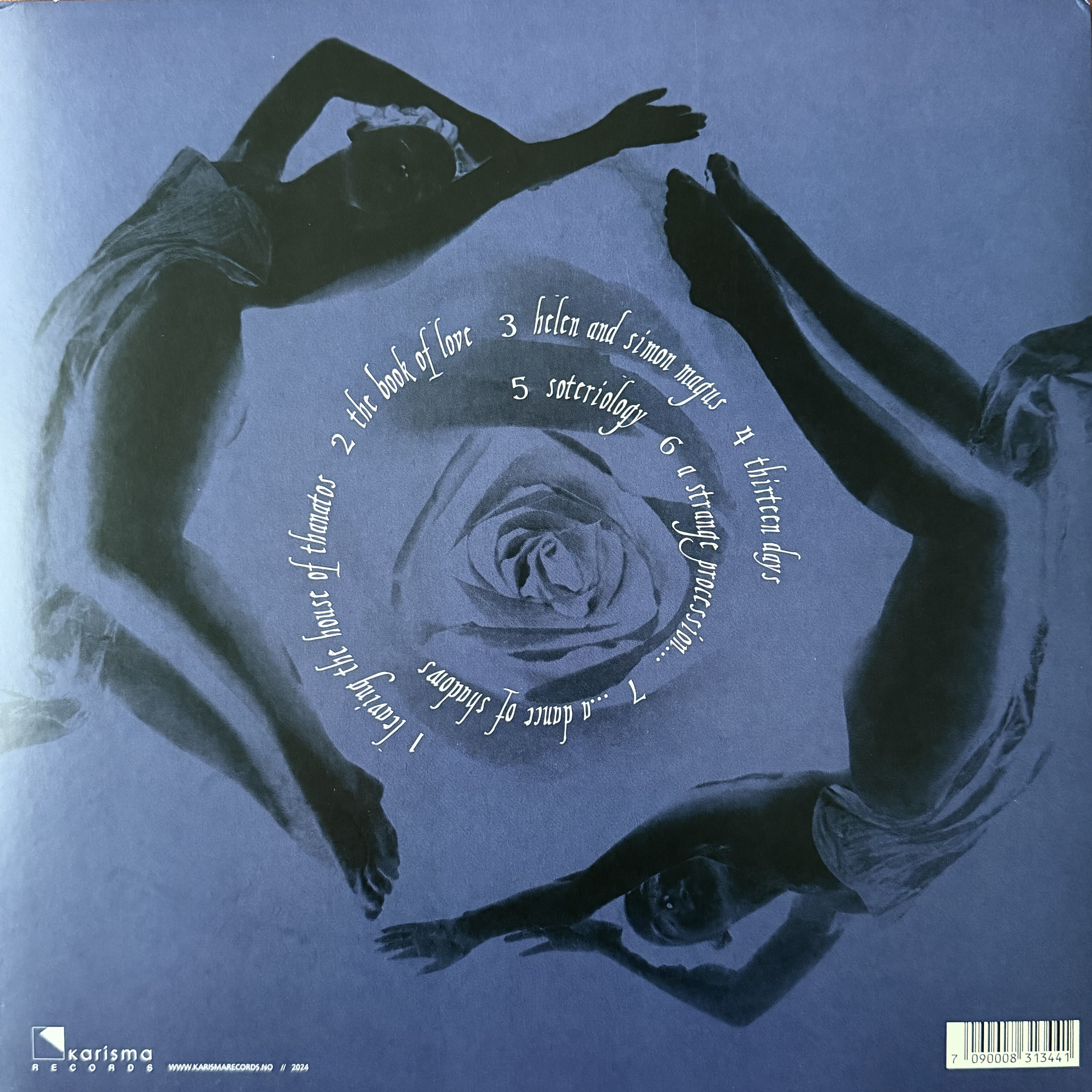
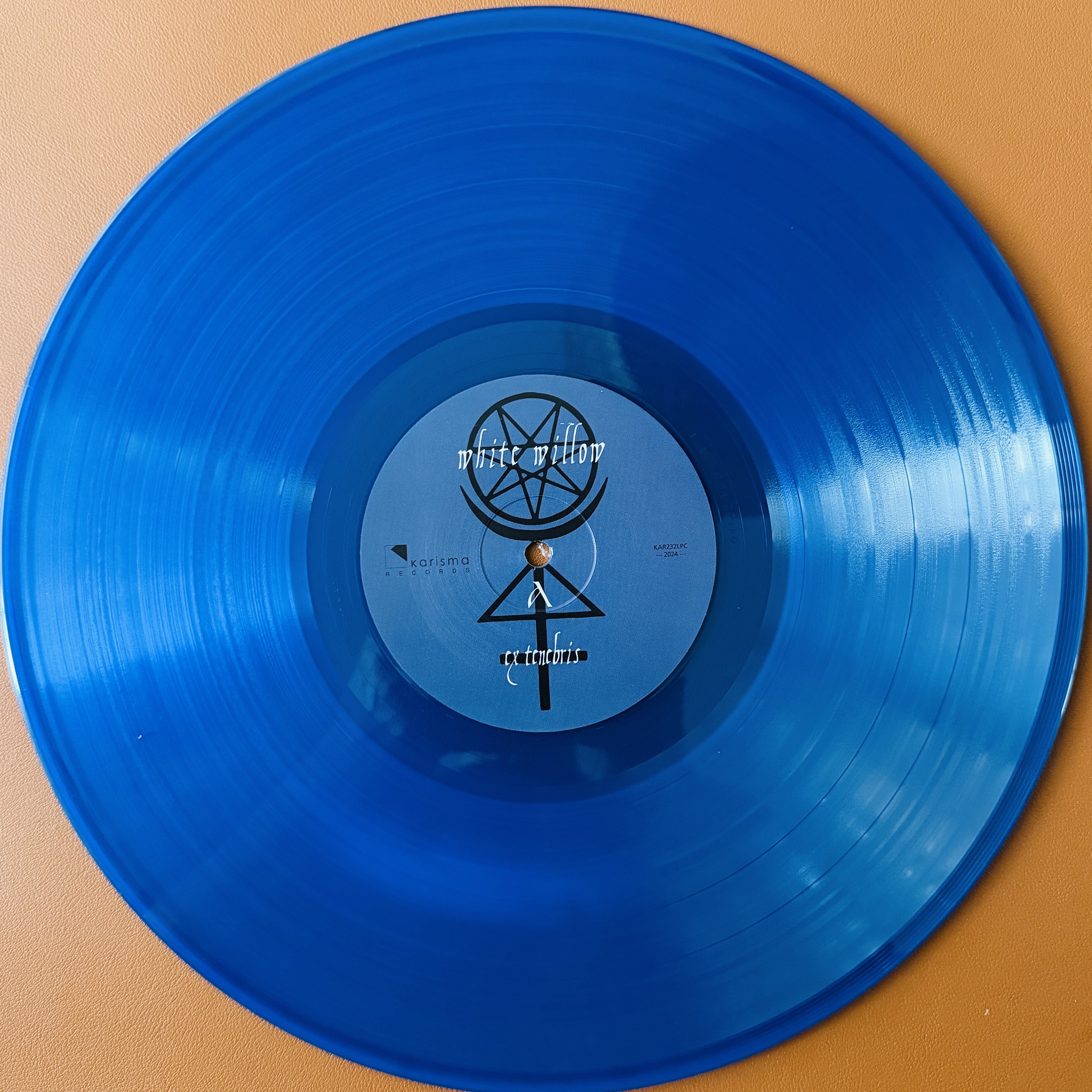
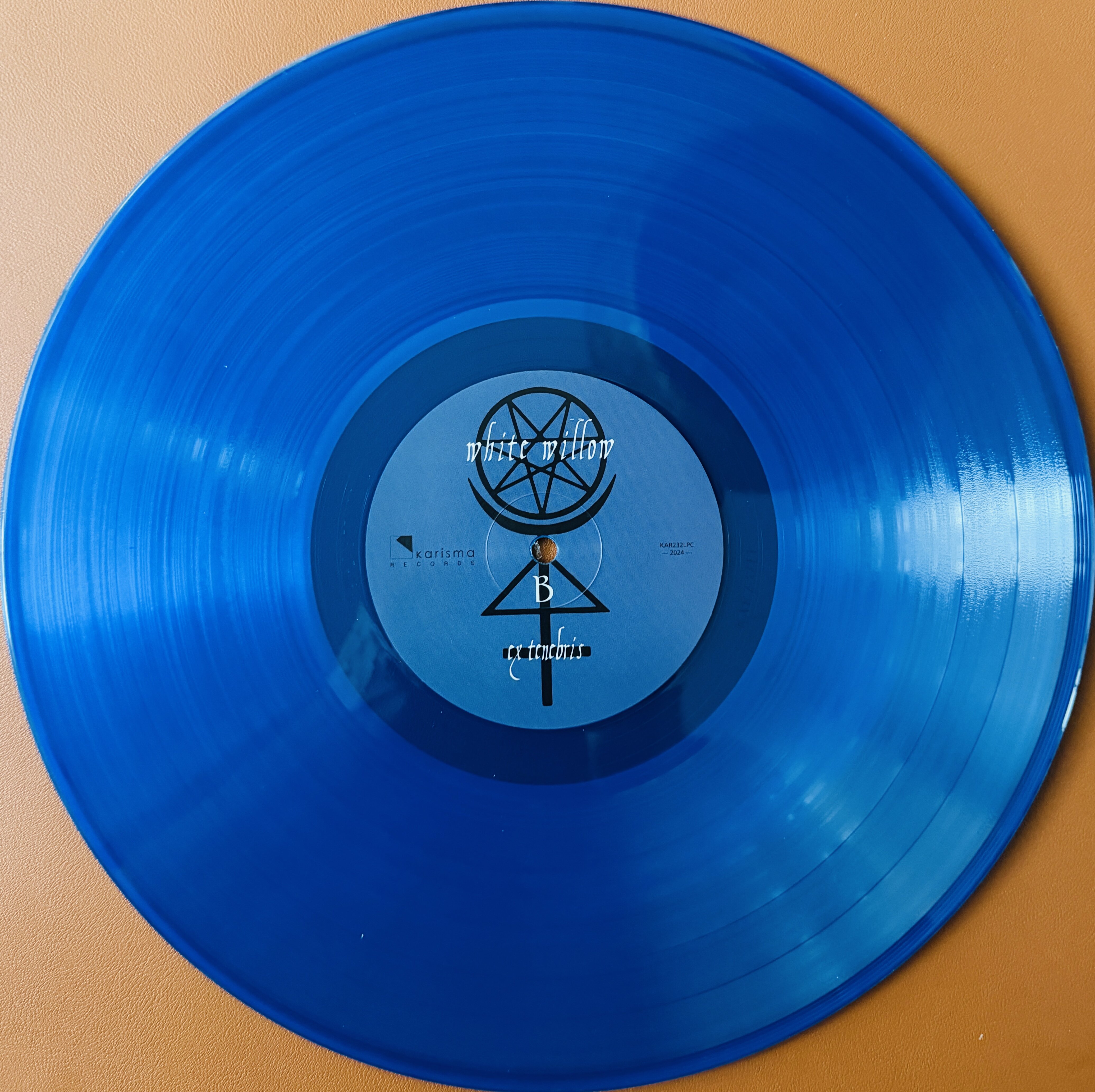
Label: Karisma Records – KAR232LPC
Format: Vinyl, LP, Album, Transparent Blue Vinyl
Country: Norway
Released: 2024
Tracklist
A1 Leaving The House Of Thanatos 8:06
A2 The Book Of Love 4:56
A3 Helen And Simon Magus 9:16
A4 Thirteen Days 2:50
B1 Soteriology 5:05
B2 A Strange Procession... 4:07
B3 ...A Dance Of Shadows 13:52
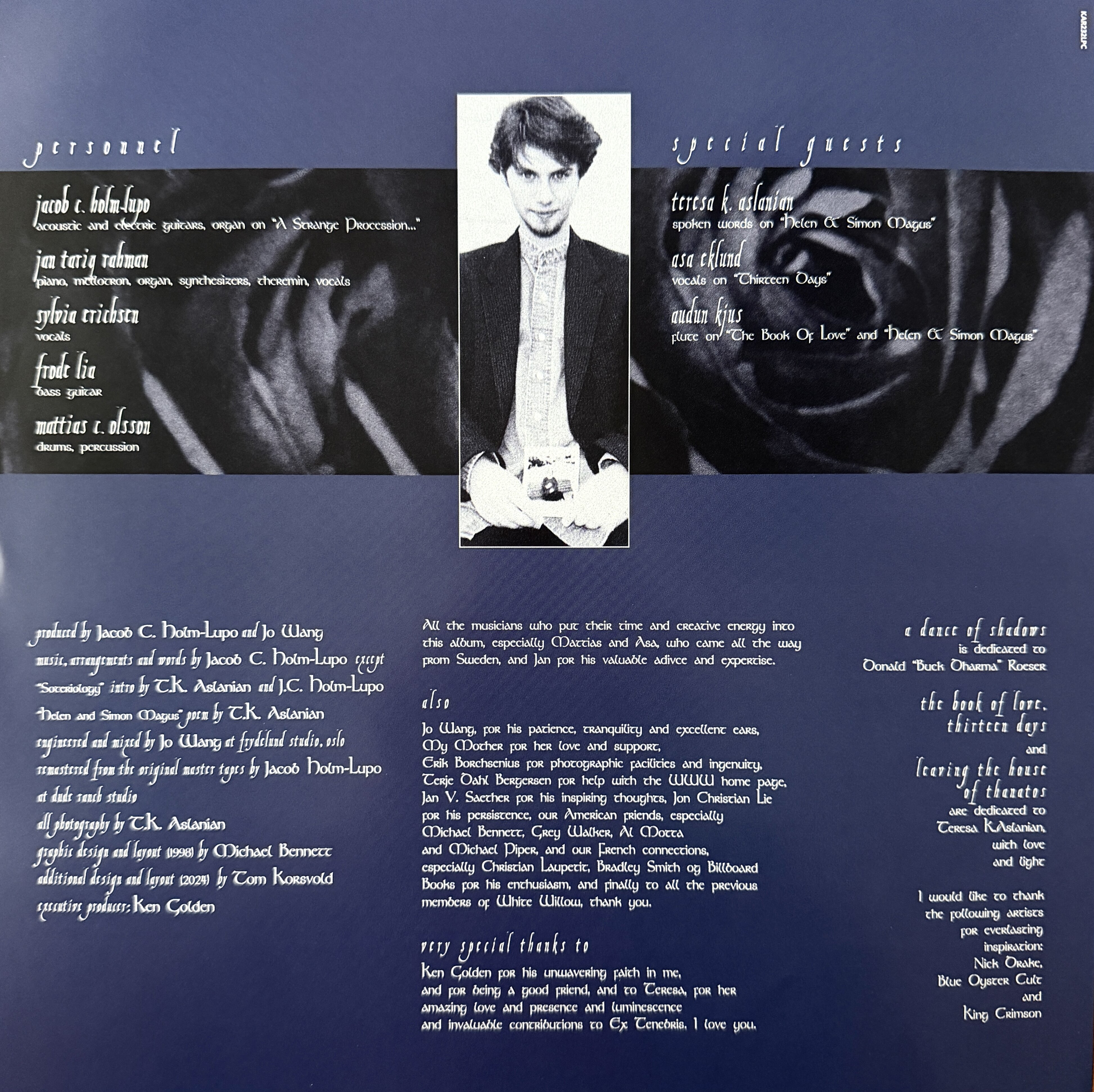
Lineup
Jacob Holm-Lupo – acoustic and electric guitars, organ, keyboards, arrangements and production
Jan Tariq Rahman – piano, mellotron, Hammond organ, synthesizers, theremin and vocals
Frode Lia – bass
Mattias Olsson – drums and percussion
Sylvia Erichsen – lead vocals
With
Audun Kjus – flute (tracks 2 and 4)
Teresa Aslanian – spoken word (track 4)
Åsa Eklund – vocals (track 5)
Kristian Hultgren – keyboards (tracks 8-10)
Ketil Vestrum Einarsen – flute (tracks 8-11)
Brynjar Dambo – keyboards (track 11)
Johannes Sæbøe – bass (track 11)
Aage Moltke Schou – drums (track 11)